
Art Investment Strategies for 2025
As the art market recalibrates for 2025, collectors are balancing blue-chip stability with emerging talent, guided by cultural signals, provenance, and thoughtful curation. This article explores strategies that unite financial prudence with genuine passion, highlighting artists, mediums, and market mechanics worth watching.
The 2025 Art Market Landscape
The art market in 2025 is defined by a thoughtful recalibration rather than a frenzy. After years of volatility, collectors are re-centering their priorities around quality, narrative, and measurability. Transparency continues to improve through online auctions and digital registries, while fairs and biennials have regained their rhythm with more curated presentations. What matters most now is specificity: a clear collecting thesis, artist-led narratives, and works that connect personally yet stand up to institutional scrutiny.
Demand bifurcates between ultra-prime works and carefully curated midrange acquisitions. Museum programming favors transnational dialogues, lifting artists who bridge cultures and mediums. Collectors increasingly seek works that feel inevitable—pieces that reveal both technical rigor and cultural presence. Prices reflect this nuance: trophy lots remain resilient, but the strongest momentum lies in artists whose stories resonate across communities.
Blue-Chip Versus Emerging Balance
Blue-chip artists provide stability and liquidity in uncertain times. Their market depth, recorded sales history, and institutional presence offer a foundation for portfolios. Meanwhile, emerging artists drive growth and intellectual excitement, often at accessible price points. Balancing these categories—say, by anchoring a collection with a few proven names while nurturing promising voices—creates both resilience and possibility.
In 2025, collectors refine risk by focusing on artists with consistent exhibition trajectories. Works by Takashi Murakami and Zao Wou-Ki (赵无极) exemplify blue-chip gravitas. Complement them with rising creators such as EGHNĀ (1990) or Nicole Lubbers, who offer fresh perspectives and evolving markets.
Cultural Signals And Storytelling
Storytelling remains the most undervalued data point in art investment. Works that embody cultural crossings, generational voices, or material innovation tend to gather momentum beyond price charts. Look for museum acquisitions, biennial appearances, and scholarly references; these signals often precede market consistency.
Consider how Zao Wou-Ki (赵无极) synthesizes Eastern and Western approaches to abstraction, or how Takashi Murakami blends pop culture with art-historical depth. Emerging artists like EGHNĀ (1990) and Nicole Lubbers build narratives around identity, environment, and gesture—stories that collectors live with, not just store.
Mediums, Materials, And Durability
Materials shape both aesthetic impact and conservation considerations. Canvas and panel paintings offer durability and straightforward care. Works on paper require meticulous framing and climate control, but their intimacy and price accessibility make them strategic entries. Sculptures demand space and logistics but can anchor a room with physical presence and long-term value.
Pay attention to material integrity: archival pigments, stable grounds, and professional fabrication are non-negotiable. Artists like Karl Lagasse (1981) demonstrate how sculptural forms can carry contemporary symbolism with structural soundness. Mixed media and digital pieces are compelling, but collectors should ensure robust documentation and long-term support systems.
Digital Authentication And Provenance
Provenance has moved from file cabinets to encrypted ledgers. In 2025, digital certificates of authenticity, tamper-evident tags, and blockchain-backed registries enhance security while simplifying due diligence. For new acquisitions, insist on verifiable COAs, detailed condition reports, and exhibition histories. For resales, match documentation against registrar entries and consult conservators when needed.
These steps are not just administrative; they are value-protecting rituals. A traceable history elevates both confidence and price. Galleries increasingly offer QR-coded links to artist-approved registries, aligning technology with trust.
Global Regions And Crosscurrents
Capital and culture travel together. Asia’s collecting base remains vigorous, with meaningful interest in cross-cultural abstraction and contemporary figuration. Europe emphasizes craft and conceptual rigor, while North American markets reward narratives of identity and innovation. Beyond headline cities, regional scenes produce serious voices—artists whose practices are nourished by local histories and global platforms.
Artists who embody crosscurrents—like Zao Wou-Ki (赵无极), who bridged Paris and Beijing—demonstrate how geography enriches artistic language. Likewise, Takashi Murakami continually reframes the interplay between tradition and pop, reminding collectors that cultural context is a growth engine.
Timing, Liquidity, And Patience
Art is a passion asset with uneven liquidity. The best timing often aligns with artist milestones: museum retrospectives, catalog raisonnés, or influential exhibitions. Auctions can provide price discovery, but they are performance stages—emotion runs high and fees matter. Private sales and gallery resales prioritize discretion and relationship.
Patience is a strategy. Hold periods of five to ten years are typical for meaningful appreciation, especially with emerging work. The market rewards steadiness: buy well, document thoroughly, and allow the narrative to mature.
Building A Curated Portfolio
Curate around themes: material innovation, cross-cultural dialogue, or contemporary figuration. Blend mediums to diversify your aesthetic ecosystem—painting for gravitas, works on paper for intimacy, sculpture for presence. Consider editioned works and multiples for budget-conscious expansion without sacrificing quality.
A focused portfolio tells a story about the collector as much as the artists within it. Align your acquisitions with spaces you inhabit: the office demands clarity and energy; the bedroom invites quiet resonance; the living room can host your anchors—the works that define your voice.
Case Studies From Our Gallery
Acquiring a prime edition by Takashi Murakami can anchor a contemporary collection with pop-inflected rigor. Pair it with lyrical abstraction by Zao Wou-Ki (赵无极) to introduce historical depth. For sculptural punctuation, explore the emblematic forms of Karl Lagasse (1981). Then consider emerging sensibilities—gesture-rich compositions by Nicole Lubbers or conceptual refinements by Pierre Joseph. Collectors attuned to urban semiotics might look to Joaquim Falco (1958), while atmospheric expression from Luc Mora can round out a cohesive narrative.
Featured Works
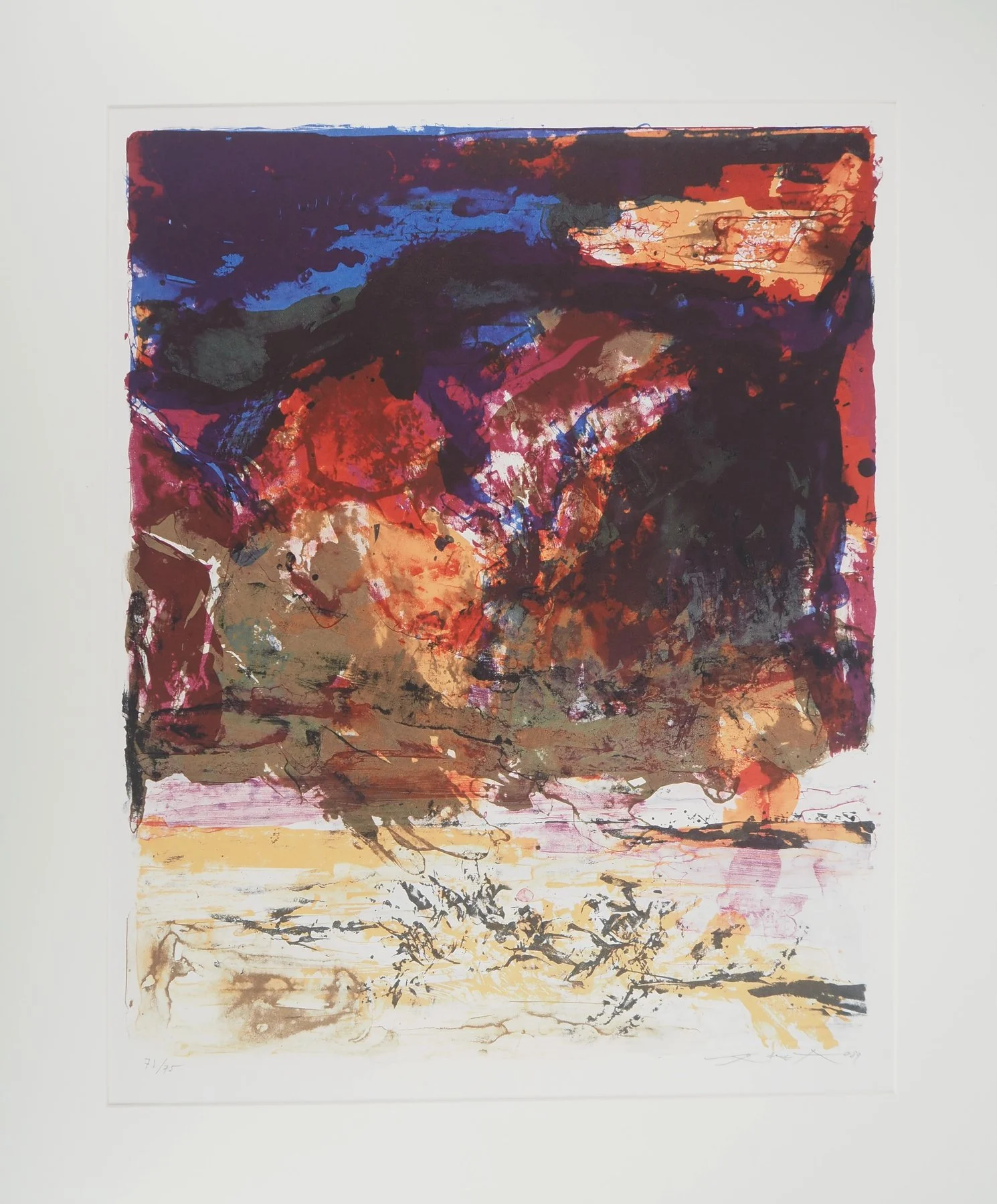

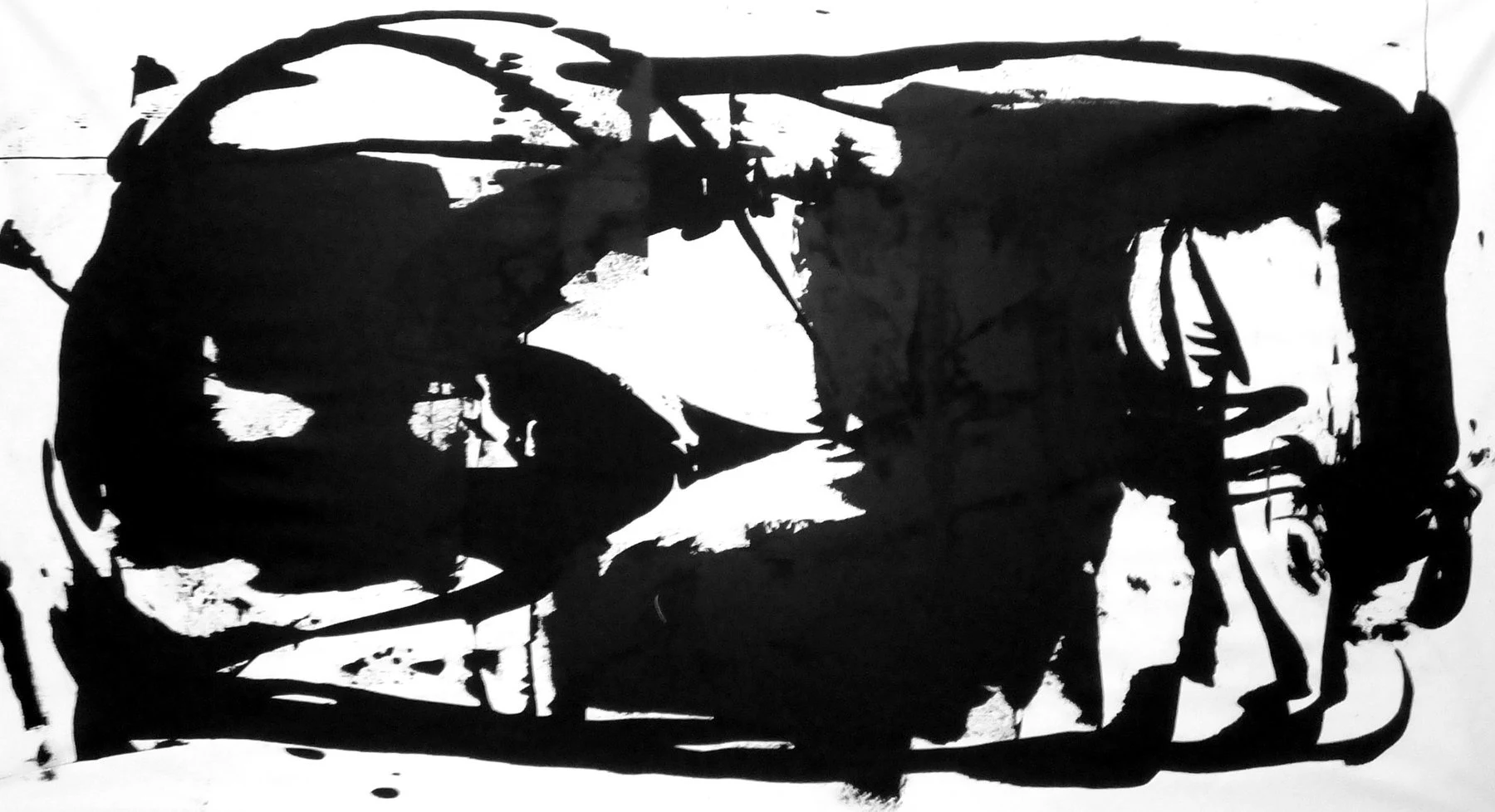
These case studies illustrate a layered strategy: anchor, converse, and explore. Each work fortifies the collection’s identity while allowing room for discovery.
Emotional Return And Living With Art
Art’s dividend is daily presence. A painting that greets you each morning alters your sense of time. Sculpture can reset a room’s gravity, creating pauses and gatherings. These emotional returns—comfort, challenge, wonder—are not ancillary; they are the very reason that value accrues.
Collectors who live with their works develop deeper convictions. This intimacy reduces reactive selling and fosters long-term perspective. Let your collection change you, and the market will often follow.
Practical Steps For 2025
Define your thesis and budget. Identify two to three anchor artists, then map complementary voices across mediums. Conduct rigorous due diligence: provenance checks, conservation assessments, and digital COA verification. Build relationships with galleries and registrars; they are guardians of context and condition.
Finally, plan for care and contingencies—insurance, climate control, professional framing—and document everything. In art, a well-kept record is a future-proofing gesture. Invest with discernment, collect with heart, and let 2025 be the year your portfolio becomes a living archive.