
Pricing Contemporary Art: What Collectors Should Know
Why does one canvas command six figures while another, similar in size, costs a fraction? This article unpacks the logic—and poetry—behind contemporary art pricing, from markets and materials to reputation, provenance, and timing.
Pricing contemporary art today
You step into a fair and pause between two canvases. Same scale, same medium, wildly different prices. That moment of friction—the startled arithmetic your mind performs—is the starting point for understanding valuation. In contemporary art, price is never only a number; it is a narrative compressed into a tag. It captures the artist’s journey, the market’s memory, the work’s ambition, and the cultural timbre of our present. To collect with confidence is to read that narrative clearly—its data and its feeling—so you can decide where your conviction resides.
Valuation beyond the price tag
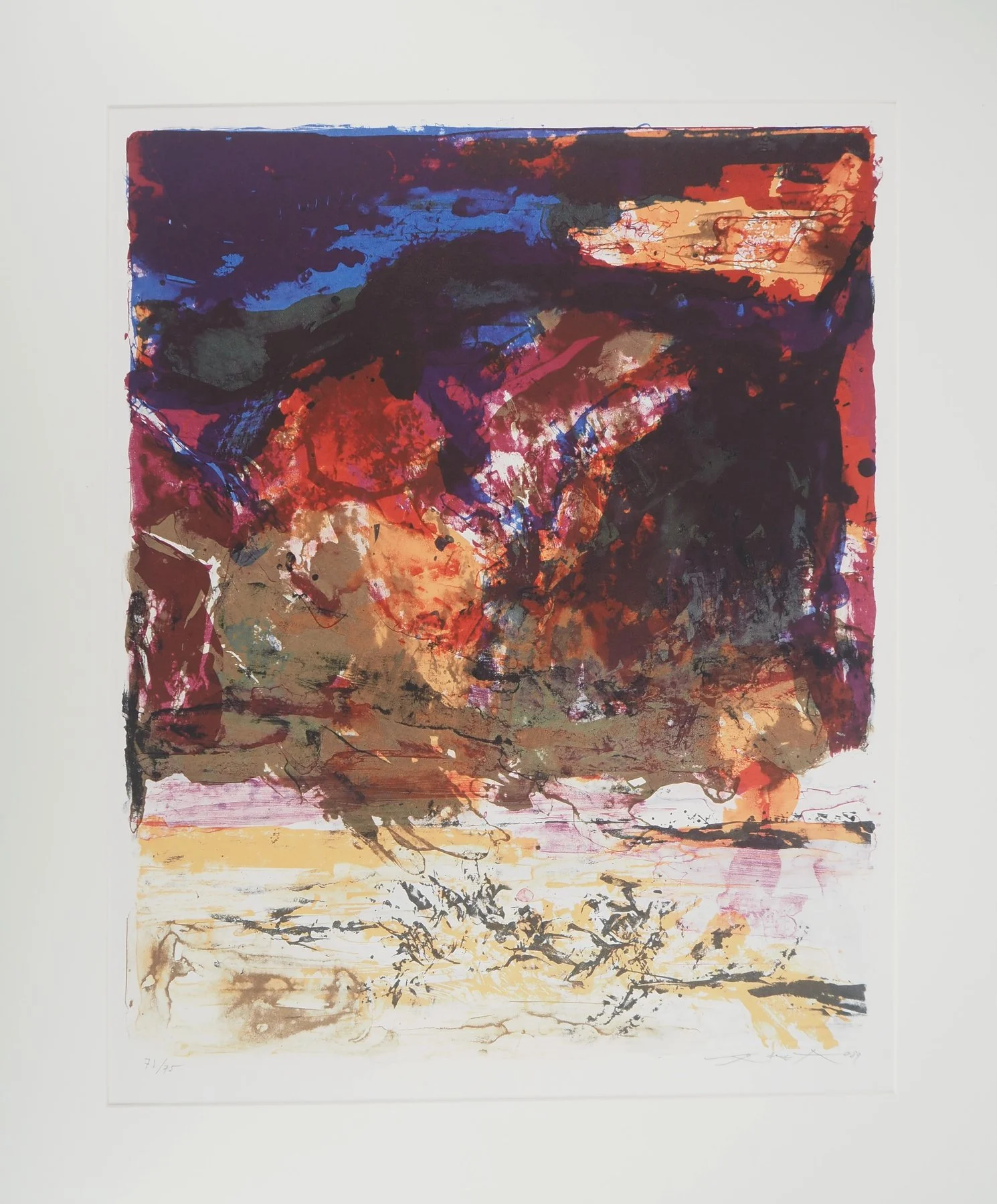
Every price implies a story: rarity, demand, institutional recognition, collector loyalty, and the labor embedded in the work. When a painting resonates with a zeitgeist—say, the pop-inflected optimism of Takashi Murakami or the lyrical abstraction associated with Zao Wou-Ki (赵无极)—the market isn’t paying only for pigment. It’s paying for cultural position and historical traction. Conversely, a commanding price without a convincing story feels hollow. The smartest collectors balance measurable signals (exhibitions, publications, comparables) with the unquantifiable pull of the artwork’s presence and urgency.
Primary and secondary markets
The primary market is the first sale of a work by a gallery directly from the artist’s studio practice, typically with prices set in consultation with artist and dealer. The secondary market is resale—auctions or private transactions—where prices respond to broader supply-and-demand dynamics. Primary pricing aims to be steady, nurturing an artist’s long-term trajectory; secondary pricing can spike or soften quickly. When an artist’s auction results begin to exceed primary levels, the market signals rising demand—but healthy ecosystems maintain consistency between the two, avoiding speculation detached from reality.
Artist reputation and trajectory
Reputation grows through exhibitions, critical writing, institutional acquisitions, and collector advocacy. Artists with coherent practices and expanding cultural footprints justify price growth. Consider the global brand-building around Takashi Murakami, whose cross-pollination with fashion and media widened access without diluting seriousness. Or the reverence surrounding Zao Wou-Ki (赵无极), anchored by museum presence and a lineage of abstract painting. At the same time, attention to emergent voices—such as EGHNĀ (1990)—can reveal value before consensus hardens, provided the work shows intellectual rigor and consistent development.
Materials, scale, and technique
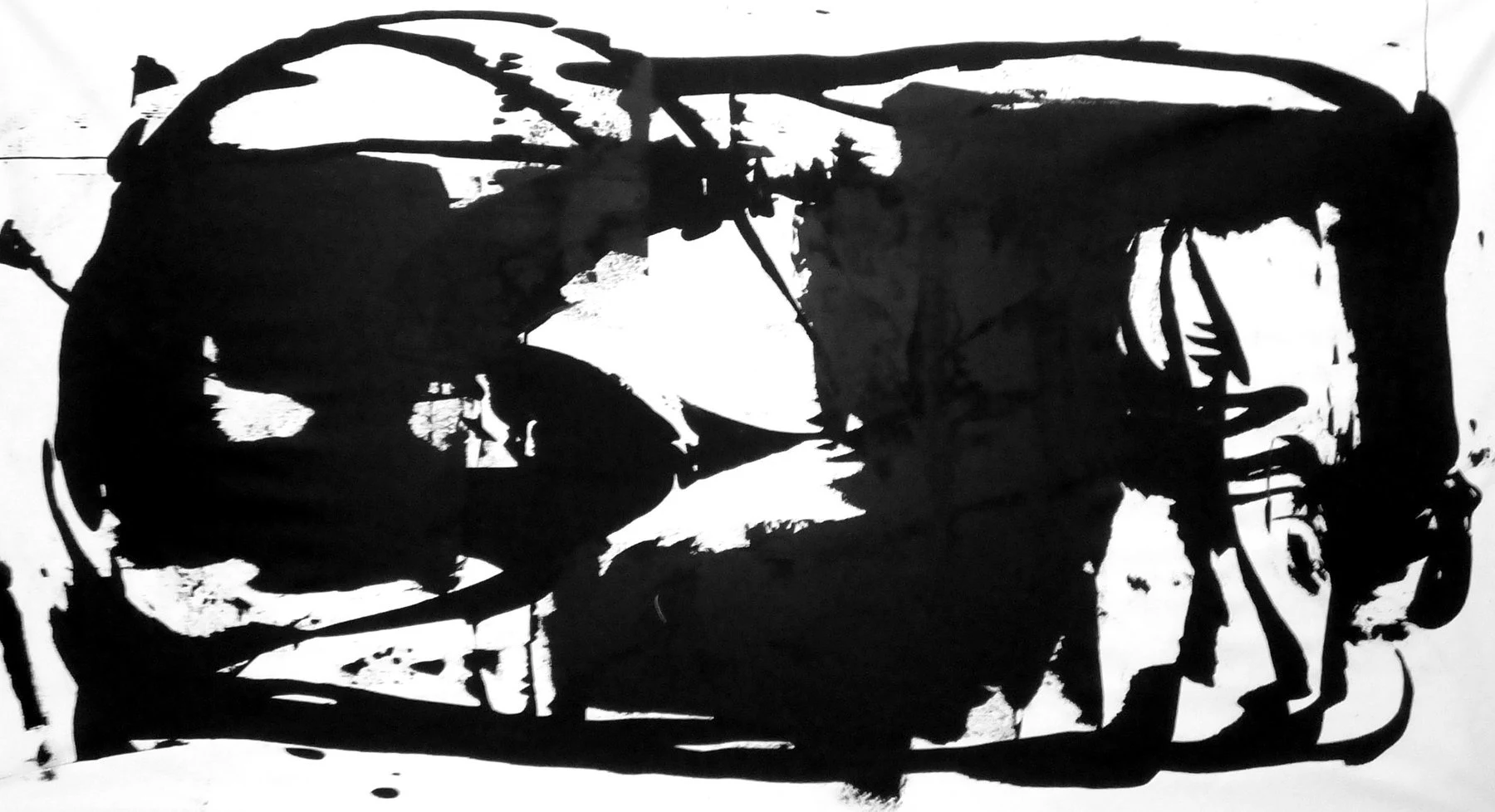
Material costs are only a fraction of value, yet they matter. A monumental canvas demands different resources than a small drawing; intricate processes—hand-pulled prints, complex resin pours, or layered collage—can represent weeks of labor. Artists like Nicole Lubbers explore texture and surface to intensify light and depth, while sculptors such as Karl Lagasse (1981) fold material symbolism into form. Scale also intersects with architecture: a large work that transforms a room can command a premium because it promises an experiential shift, not just a wall decoration.
Featured Works

Rarity, editioning, and series
Uniqueness remains a core driver. Editioned works—prints, photographs, or sculptures—obtain value from scarcity, clarity of edition size, and production quality. A well-managed edition by Takashi Murakami can be highly desirable when the image is iconic, the edition small, and the technique top-tier. Series logic also applies to unique works: a pivotal cycle that crystallizes an artist’s ideas may carry higher prices than transitional pieces. As a collector, ask: Is the work central to the artist’s narrative? Is the edition size disciplined and documented?
Comparables and provenance
Comparables are the market’s reality check. Look at recent sales of similar works by the same artist—matching size, medium, date, and significance—to understand where pricing sits. Provenance adds or subtracts confidence: works exhibited in reputable museums, included in monographs, or held by notable collections trend toward stronger valuations. A clean, well-documented ownership history reduces friction in future resale. The best dealers are transparent with comparables and paperwork, building trust that outlasts any single transaction.
Market cycles and timing
Art is a cultural asset with its own rhythms. Macro trends—global liquidity, currency shifts—can buoy or dampen results, while curatorial trends can redirect attention rapidly. Mature artists with institutional anchoring are often less volatile; emerging markets can be exhilarating and risky in equal measure. Buying during a moment of consensus can feel safe but expensive; buying before consensus requires conviction and careful research. Savvy collectors time acquisitions to align with their taste, budget, and the artist’s momentum, not just headlines.
Transparency and ethical pricing
Ethical pricing respects both artists and collectors. Transparent discounts, clear edition policies, and honest condition reports create a fair marketplace. Certificates of authenticity, archival documentation, and post-sale support matter, especially for cross-border collecting. Reputable galleries protect artists from damaging flips while helping collectors build collections that endure. If a price feels opaque, ask questions: about production, comparative works, or future plans for the artist’s career development. Real answers build durable relationships.
Collecting with confidence
The most rewarding collections are built on a steady mix of knowledge and feeling. Do your diligence—read, compare, visit studios—and then listen to your response in front of the work. If the piece changes how you see, that transformation is part of its value. Over years, collections assembled with intention tend to outperform in every sense: intellectually, emotionally, and financially. Price is not the end of the conversation; it is the beginning of a deeper engagement with art, culture, and the lives of the artists who shape them.