
The Currency of Images: Pop Icons and Value in Post‑NFT Contemporary Art
As the art world recalibrates after the NFT boom, a new focus on touch, craft, and shared cultural symbols is reshaping contemporary practice. From Takashi Murakami’s superflat universes to Karl Lagasse’s sculpted dollars, artists are testing how images create value—and how value shapes emotion.
The Currency of Images in 2025
In 2025, contemporary art feels newly material. After years of screen-born hype and speculative tokens, the collective mood has turned tactile: pigment, paper, resin, and bronze are back in the conversation. The question isn’t whether digital art has a future—it does—but how images carry value when markets cool, attention shifts, and audiences want to feel the work as much as see it.
This debate cuts across pop iconography, abstraction, and conceptual practice. It is also deeply human: collectors report gravitating toward works that connect memory to matter, and artists are rethinking how shared symbols—smiles, brands, banknotes—encode desire, community, and critique.
From NFT Hangover to Tangible Color
The post-NFT landscape hasn’t erased digital culture; it has grounded it. Exhibitions increasingly pair screen-based pieces with handmade elements, encouraging viewers to test the difference between image as file and image as object. In parallel, pop art’s long dance with commerce continues, but with new humility: instead of splashy novelty, many artists pursue refined craft and clearer narratives about why their icons matter.
The result is a more sober, more sensorial field, where color is not just chroma but psychology, and where the language of money—price, brand, value—is sculpted, painted, and sliced into visible critiques.
Case Study: Superflat Value and the Murakami Continuum
For two decades, Takashi Murakami has made the power of images legible through “superflat” compositions that compress art history, anime aesthetics, and luxury culture into saturated fields. In the present moment, Murakami’s smiling flowers and skulls read like a vocabulary for describing value itself: relentless repetition becomes a metric of desire; pristine surfaces signal the care and labor behind them.
What feels timely now is how these images communicate resilience. The flowers are not merely cute; they are emblems of endurance in a volatile economy. Their cheerfulness carries undertones of melancholy, suggesting that joy is a practice—a choice viewers make when faced with churn.
Featured Works

Sculpting Money: Karl Lagasse’s Reliefs of Desire
If Murakami maps the psychology of the image, Karl Lagasse (1981) carves the economy’s most basic icon—the dollar—into reliefs that weigh value in grams and textures. His famous "One Dollar" pieces are not cynically celebratory; they are studies in how currency becomes myth. Cast or assembled, the works ask the viewer to consider the pain and pleasure of money: the weight of ambition, the sheen of success, the physicality of exchange.
In an era of digital wallets and abstracted finance, Lagasse’s practice re-materializes the transaction. Fingerprint-like traces in the surface read as human presence. The scale feels ceremonial. Even the glint of metallic pigment stands in for the ritual of holding wealth, of literalizing the idea of value that otherwise lives as numbers on a screen.
Street Pop and Shared Icons
Pop’s shared language thrives today in the street and online, where images splinter and recombine. Joaquim Falco (1958) navigates this terrain with agile, collage-like compositions that quote celebrity, advertising, and fan culture. His works embrace an accessible, democratic gaze: the icon belongs to everyone, but each viewer brings a personal history to it—favorite records, first fashions, the memory of a poster taped to a teenage wall.
This democratic charge is critical right now. In a period when institutional narratives can feel distant, Falco’s approach insists that cultural value emerges in daily life. It’s not about owning a brand; it’s about recognizing yourself in a shared image and deciding what it means under your hand, in your home, in your city.
Digital Nativism and the Hand
Post-digital doesn’t mean anti-digital. Artists like EGHNĀ (1990) build hybrid vocabularies where glitch aesthetics, neon palettes, and coded structures meet physical gesture. A brushstroke can echo a pixel; a resin pour can rhyme with a render. The work speaks to our lived experience of screens and matter, of eyes shifting from phone to canvas and back.
In 2025, this hybridity is more than style—it’s literacy. As AI tools enter studios and regulation debates grow, artists reassert authorship through process transparency and material specificity. EGHNĀ’s approach suggests a way forward: embrace the algorithm as texture, not tyrant, and hold onto the body’s unpredictable logic.
Memory, Abstraction, and the Feel of Time
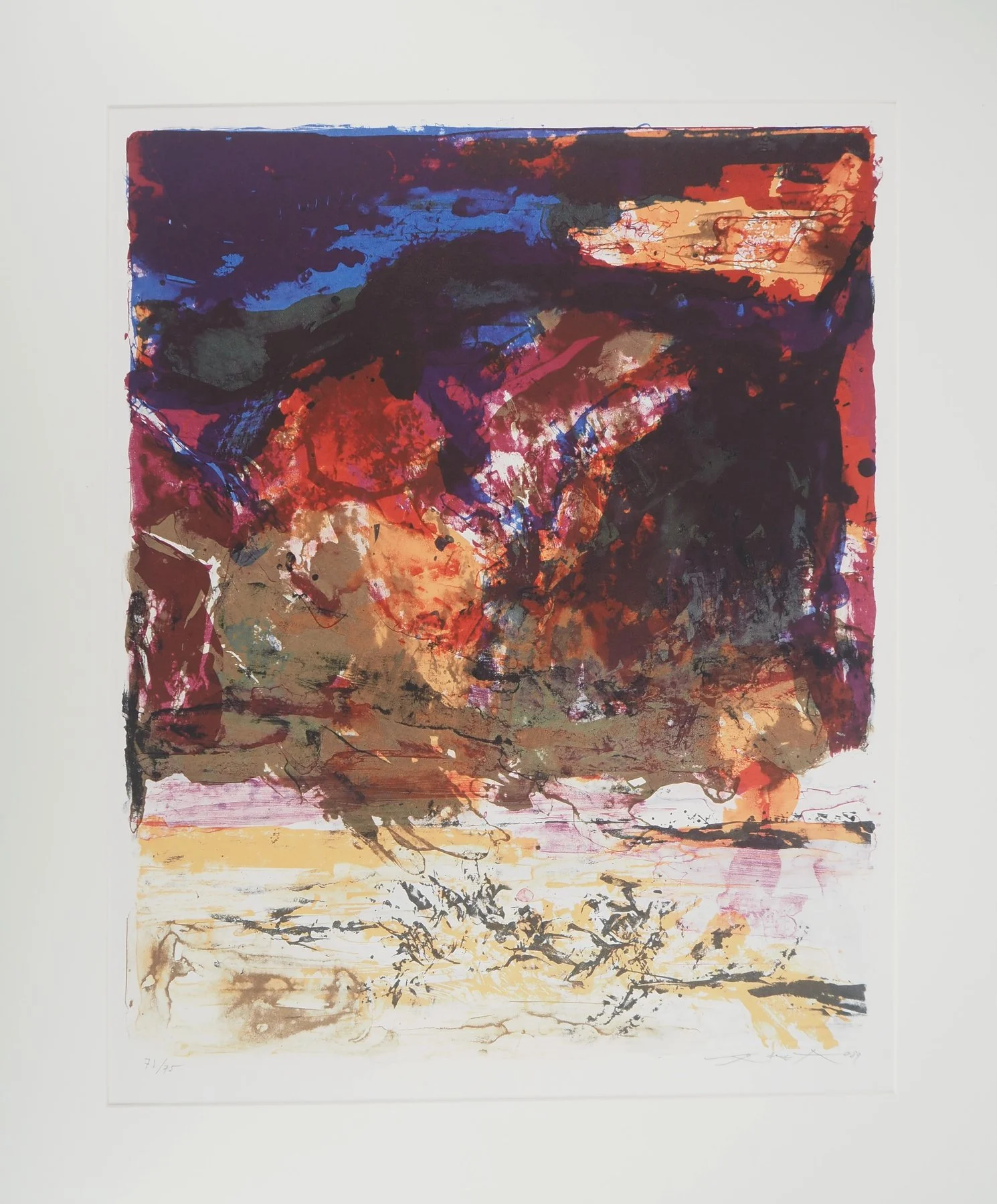
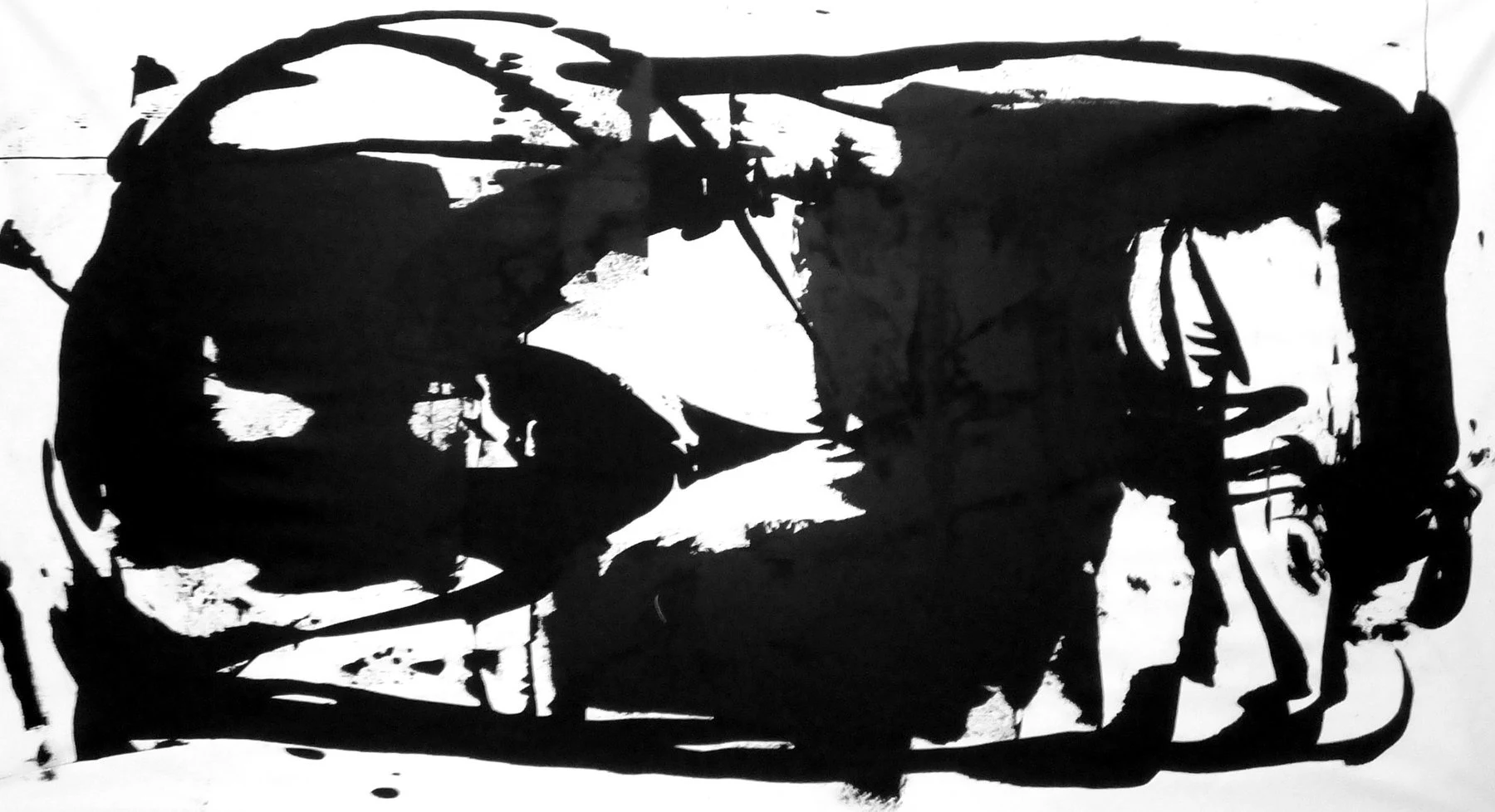
Amid pop and post-digital currents, abstraction reclaims its role as a carrier of memory. Zao Wou-Ki (赵无极) remains a touchstone here. His atmospheric fields—part storm, part poem—remind viewers that color can articulate time, that composition can hold the silence between events. In today’s context, these lessons inform a broader return to painterly nuance: layered glazes, tuned edges, delicate transitions where emotion resides not in sign but in sensation.
Abstraction’s relevance is renewed by fatigue with literal images and commentary. Many collectors talk about wanting space—works that feel open enough to host complex feelings without prescribing them. It’s a counterpoint to icon-driven art, and the two modes coexist fruitfully.
Why It Matters Now
The shift toward touch and shared icons has practical and emotional stakes. Practically, it invites slower looking and longer relationships with works—good for artists, galleries, and collectors. Emotionally, it helps audiences metabolize a decade of flux. We learn anew that images are not just content; they are encounters. The value of a work is not only its price but the way it holds time, labor, and care.
This recalibration also broadens inclusion. Street pop’s vocabulary welcomes first-time viewers; abstract nuance rewards advanced looking; hybrid craft bridges digital natives and analog enthusiasts. The field feels less siloed and more conversational.
Looking Ahead
Expect further experiments with value as material: cast coins, stitched price tags, chromed logos, and coded flowers. Expect artists to continue testing the edge between file and form, using AI and hand alike. And expect audiences to seek works that are generous—objects that make room for them, that honor memory while refusing nostalgia.
In a post-NFT world, the image becomes currency again, but with a difference: it trades not only in scarcity or hype, but in presence. That is the art world’s most valuable asset in 2025—the feeling of being here, together, in front of a work that knows what we’ve been through and still invites joy.