
The Impact of Digital Art on Traditional Galleries
Digital art is reshaping the architecture, economics, and emotional language of the white cube. For collectors and galleries, it introduces hybrid models of presentation, new conservation challenges, and evolving strategies for provenance and value.
Pixels Rewrite the White Cube
Walk into a forward-thinking gallery today and the first sensation may be movement: light shifting across walls, sound curling through corners, a screen gently breathing with code. Digital art has rewritten the white cube’s grammar. The pristine neutrality that once emphasized painting and sculpture now becomes a responsive stage for algorithms, projections, and immersive environments. Galleries add acoustic treatments for sound pieces, blackout curtains for generative light works, and modular rigs that can support sensors, VR headsets, and touch-responsive surfaces. This spatial recalibration is more than cosmetic; it expands the gallery’s narrative capacity. A visitor’s path is no longer a straight line past static objects but a choreography through time-based experiences, environments that change minute to minute. The room itself becomes a medium, and the gallery—once a container—emerges as a collaborator with artists working in pixels, code, and networks.
Shifting Curatorial Strategies
Curators accustomed to hanging canvases now compose exhibitions that blend screens with sculpture, audio with architecture, and online components with on-site experiences. The result: shows that feel like living organisms, evolving as software updates roll out or as data feeds shift. Curators consider “runtime” and “uptime” alongside thematic coherence, scheduling works so their cycles align, and building mediations that contextualize code for viewers unfamiliar with its idioms. Collaboration with technologists becomes routine; documentation includes not just artist statements but version notes, system diagrams, and instructions for safe shutdowns. In this terrain, the curator’s role expands from selector to facilitator, ensuring artworks operate reliably and meaningfully within a public setting.
Materiality Beyond The Screen
Digital art often gets mistaken as immaterial, yet its materiality is rich: processors, projectors, servers, and the behavioral texture of code itself. Many artists bridge pixels and paint, toggling between tactile surfaces and algorithmic color. Takashi Murakami, for instance, navigates a superflat universe where graphic clarity born of digital culture informs luminous physical works; his presence in galleries underscores how digital aesthetics seep into traditional media. Sculptural practices also echo the era’s circuitry—industrial finishes, mirrored skins, and engraved motifs that speak to technological desire, seen in artists like Karl Lagasse (1981), whose bold materiality converses with contemporary iconography. Painters such as Nicole Lubbers explore chromatic strategies reminiscent of digital palettes, translating screen-born intensity into tactile nuance. The takeaway: digital impact rarely stops at the monitor; it informs form, color, and the very feeling of material presence.
Collecting In A Hybrid Era
For collectors, the digital shift has created a hybrid toolkit. Beyond the artwork, acquisitions may include hardware specifications, recommended replacements, and maintenance schedules, plus certificates that cover both concept and execution—essential for time-based pieces. NFTs, after their speculative crescendo, now serve a practical role as supplemental provenance rather than a valuation engine: a registry entry that can accompany, but not replace, standard documentation. Editioning matters. Whether a video loop, generative system, or interactive sculpture, clear rules about iterations, software versions, and refabrication rights protect long-term value. Savvy collectors also budget for technical stewardship, treating a technician’s periodic check much like conservation for a canvas. The result is a collection that lives—updated, calibrated, and cared for—with value rooted in clarity and durability.
Conservation And Display Challenges
Digital conservation is equal parts ethics and engineering. Galleries face hardware obsolescence cycles, color shift in aging displays, and fragile dependency on operating systems. The leading strategies—emulation, migration, and component replacement—require foresight. Agreements between artist, gallery, and collector should outline permissible changes: Can a new projector replace the original? Is recompiled code acceptable? Documentation becomes the artwork’s backbone, detailing how the piece behaves, how it is installed, and how failures are diagnosed. Environmental control matters too; sound bleed can overwhelm neighboring works, and ambient light can wash out projection. With the right planning, digital pieces can thrive, retaining their integrity while adapting to evolving technology.
Audience Engagement And Revenue
Digital art broadens the visitor base. Immersive rooms and responsive works create accessible points of entry, inviting audiences who might find traditional abstraction opaque. Galleries leverage this energy through timed tickets, evening programs, and experiential memberships that emphasize repeat visits. Education expands beyond wall labels, incorporating workshops on creative coding, talks on digital provenance, and guided walkthroughs that demystify technical elements. On the revenue side, galleries diversify: editions of time-based works, related prints, and special commissions for architectural spaces. The key is balance—experience as a bridge, not a gimmick—ensuring that engagement translates into lasting relationships and collectible value.
Economic Trends And Market Signals
After the NFT volatility, the market has matured. Works with strong conceptual frameworks and robust documentation lead, while purely speculative “token-only” offerings have retreated. Hybrid objects—screen-based pieces paired with sculptural components or archival prints—offer tangible anchors that reassure collectors and insurers. Pricing models reflect production complexity: software development, custom fabrication, and installation support factor into the primary market. Secondary sales increasingly prioritize works with clear maintenance lineage and reliable replay. As data analytics enter the field, galleries monitor engagement patterns—dwell times, attendance cycles—yet translate these metrics into qualitative insight rather than sensational headlines.
Gallery Highlights
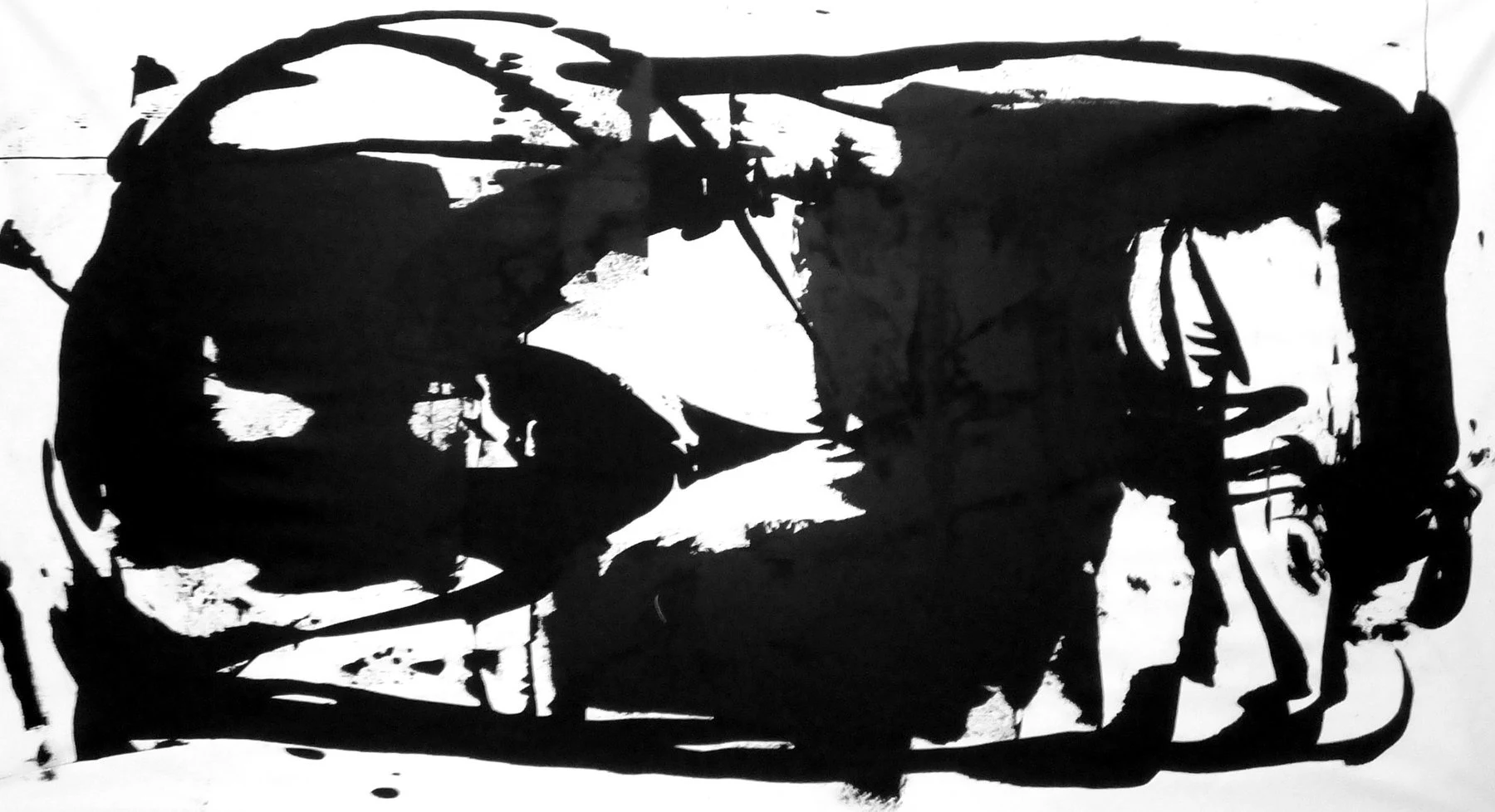
Several artists in our program illuminate this terrain. Takashi Murakami exemplifies how digital aesthetics can heighten the graphic and emotional clarity of physical works. Karl Lagasse (1981) explores sculptural icons that resonate in a culture saturated with screens, while Nicole Lubbers channels vivid chroma and rhythm suggestive of digital palettes into painterly strategies. EGHNĀ (1990) points toward a generation fluent in cross-media gestures, where gesture and algorithm coauthor the image. Together, they demonstrate how traditional galleries can host digital influence without forfeiting craft, intimacy, or rigor.
Featured Works


Emotional Impact Of The Digital
What does a pixel feel like? In compelling digital work, emotion arrives through time: a color that slowly blooms, a rhythm that repeats until it becomes memory, an interaction that makes the viewer co-author. The best pieces stage wonder without spectacle, using restraint—glitches as quiet poetry, looping as meditation, data as portraiture. Traditional galleries offer the intimacy necessary for these experiences; they slow the pace, foster concentration, and honor subtlety. This is where digital art transcends novelty, becoming a vehicle for empathy, attention, and reflection.
Looking Ahead
The gallery’s future is neither fully virtual nor purely physical. It is hybrid and human-centered, emphasizing care over hype. As collectors and institutions refine stewardship models, and artists deepen their dialogue with code and material, traditional galleries will remain vital civic spaces: places where the technological moment is made legible, beautiful, and worth keeping. Digital art’s impact, in the end, is not merely about new tools—it is about new ways to see, to listen, and to belong.