
Wall Scripts: Street Art’s Gallery Turn
Street art has journeyed from alley walls to curated rooms, carrying raw energy into refined spaces. This article explores how modern galleries translate urban immediacy into collectible objects, the ethics of editions, hybrid exhibition design, and artists bridging pop and street languages.
From Streets To Gallery Walls
Street art’s path into modern galleries mirrors a cultural shift: what began as urgent, anonymous visual language now sits alongside canvases with rigorous provenance. Early pioneers painted the city like a living sketchbook, transforming trains and facades into temporary museums. Today, white-cube spaces stage that same immediacy—often by preserving the marks of process: drips, overspray, shredded wheatpaste edges, and the improvisational rhythm of the street. The turn isn’t simply about legitimization. It’s about translation: how to carry an atmosphere born of speed, risk, and public dialogue into rooms designed for contemplation and collection.
Shifts In Curatorial Language
Galleries have learned to speak the dialect of the street. Curators frame works with urban context—mapping references to neighborhoods, music scenes, and social movements, while resisting nostalgia. Wall texts read like placards from a city archive: they articulate lineage without turning rebellion into décor. Installations stretch beyond standard hanging, using raw plywood, metal scaffolds, and concrete fragments to keep the architecture honest. Lighting strategies highlight reflective paints and daylight-responsive pigments. Sound and scent occasionally enter the space, invoking the multisensory bustle that gave the images their first breath.
Value, Scarcity, And Edition Ethics
Collectors often meet street art as editions—screenprints, lithographs, and mixed-media multiples that translate wall-born motifs into collectible form. Here, numbers matter deeply. As explored in our wider conversations on print culture, edition fractions, artist’s proofs (AP), and hors commerce (HC) aren’t mere technicalities; they signal craft control and scarcity. For works with street DNA, these codes help reconcile an origin rooted in replication and public access with a market built on rarity. A transparent edition practice—clear mapping of process variations, consistent numbering, and a rigorous certificate—builds trust and preserves the tension that makes the genre hum: open imagery, carefully measured exclusivity.
Craft Meets Code In Exhibitions
Street art’s gallery moment is also a technology story. Hybrid shows blend projection mapping with physical murals, or augment prints with AR layers that reveal sketches and location notes when viewed through a phone. Provenance has expanded to include documentation of original interventions: GPS tags, process photos, and collaborative credits for fabricators. This is not spectacle for its own sake; it is curatorial stitching that honors the work’s communal origins while future-proofing its value. As exhibitions evolve, the most compelling shows keep scale human and texture tactile, even as they welcome code.
Techniques: Spray, Stencil, And Beyond
The craft is more varied than the stereotype suggests. Spray paint, with its diverse caps and pressure sensitivities, is the vocabulary of gradients and gesture. Stencil work anchors typography and precision, while hand-painted details bring intimacy to faces, flora, and symbols. Wheatpaste collages reclaim advertising’s tools, redirecting attention toward stories rather than sales. Increasingly, resin, foil, and UV-cured inks appear alongside traditional materials, creating surfaces that flirt with sculpture. Techniques matter for conservation too: galleries guide collectors on UV protection, varnishes, and mounting methods that retain the raw look without compromising longevity.
Collecting With Context And Care
Street art thrives on encounter. When it enters the home, the goal is not to tame it but to sustain its conversation. Collectors can prioritize works that carry strong narrative signals: traces of process, fragments of city life, or interviews and texts that situate the piece socially. Mounting solutions—floats that preserve deckled edges, frames that leave space around collage protrusions—keep the work breathing. Consider placement as choreography: in living rooms, pieces may play with music and light; in corridors, they can heighten daily movement. Above all, align acquisitions with your lived rhythms. Street art rewards attention with energy, not quiet.
Market Signals And Authenticity
Authenticity matters intensely for wall-born languages. Provenance should be specific, not vague: studio-based works differ from murals later translated into canvas or print. Certificates must describe materials and techniques with care, and include images of the work under normal and raking light. Conservation reports help, especially for mixed media. For editions, consistency across the run—ink density, registration, paper stock—is a maturity signal. The market increasingly favors transparency over myth. In practice, this means galleries and artists publish process notes and edition specs, inviting collectors to see not just the finished surface but the journey beneath it.
Artists Bridging Pop And Street
The most resonant gallery works often bridge urban grit with pop iconography, speaking fluently to both emotion and market logic. Karl Lagasse (1981) brings sculpted currency and bold typographic reliefs into dialogue with street economies, rendering value as a tactile object. naor extends this conversation through glossy resin sculptures that appropriate familiar brands, critiquing desire while seducing the eye. Joaquim Falco (1958) channels vibrant pop culture signals with a graphic immediacy that feels born of signage and sidewalks. Luc Mora tests the boundary between illustration and urban vernacular, while Takashi Murakami—though not a street artist—demonstrates how shared symbols travel across fashion, galleries, and daily life, a lesson central to street art’s broad resonance.
Featured Works
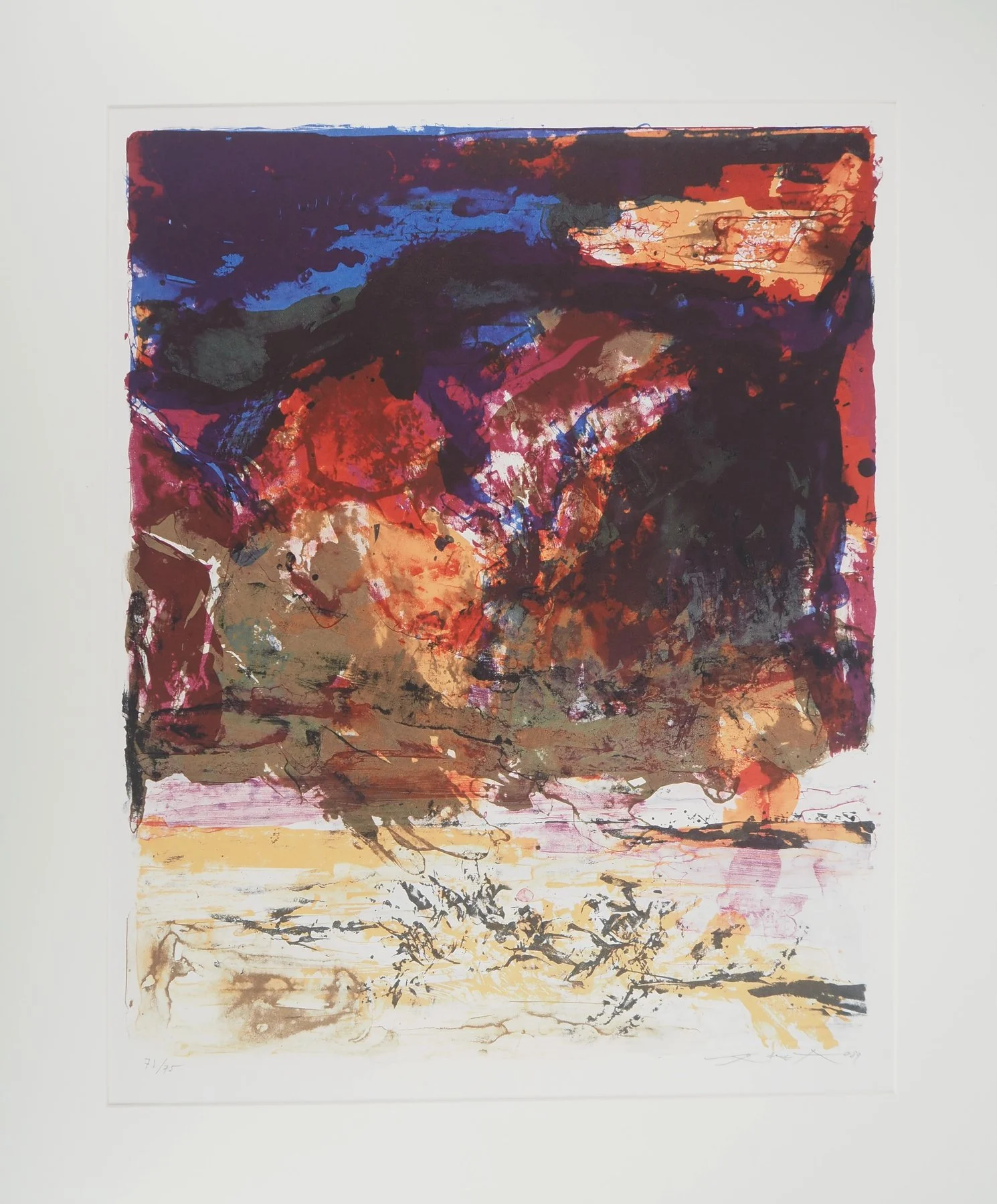

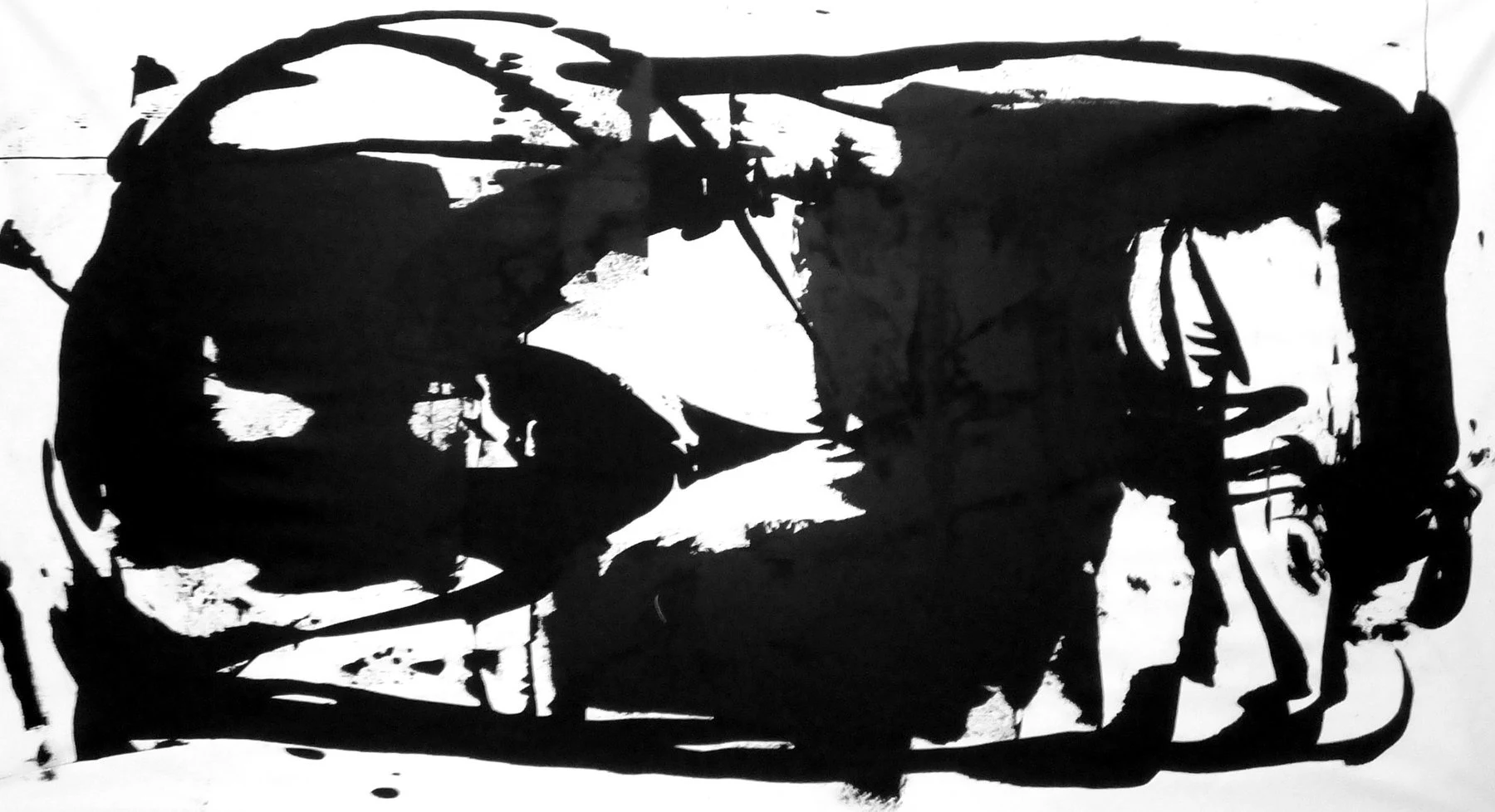
What Resonates At Home
When street art enters domestic space, it carries a promise: the city’s pulse will continue to speak, even as hours fall quiet. Collectors report that these works animate routines—morning light hits reflective paint, a stencil shadow catches your eye at dusk, and suddenly your home feels like a scene. The emotional impact is a duet of rhythm and recognition. We recognize ourselves in the images—our routes, our era, our desires—and the rhythm of lines and layers renews our attention. In an art world recalibrating after digital surges, the hand, the spray, the stencil, and the story remain enduring technologies of connection.