
Why We Collect: Mind and Market
Collecting art is a duet between emotion and reason—between the stories we tell ourselves and the signals the market sends. This article explores the psychology behind contemporary collecting, from the allure of scarcity to the rituals of decision-making and the lived experience of art at home.
We don’t begin a collection with a spreadsheet; we begin with a feeling. A first encounter—color flaring across a canvas, a gleam of resin, the quiet breath of ink on paper—triggers desire long before we ever say the word investment. In contemporary art, this desire is shaped by the stories an artwork carries and the ones we want to live inside.
Desire and Meaning
In psychology, desire often appears as a promise: a belief that something new will complete a pattern in us. Art activates this promise through symbolism and material presence. A painting can feel like a future memory, a sculpture like an anchor in a shifting world. Contemporary practice intensifies this pull by compressing culture into form—memes into monuments, luxury into critique, personal diary into public object.
Scarcity magnifies meaning. Limited editions, singular canvases, carefully managed releases—these are not only mechanisms of value but of attention. When Takashi Murakami drops a new series, collectors feel the urgency of cultural time. The pursuit sharpens the pleasure, but meaning is what remains after the chase: how a work reframes our day, gathers our friends, or gives us a new lens on the world.
Memory, Status, Belonging
Collectors often begin with memory. A flower that recalls a childhood garden. A palette that echoes a city once loved. Memory is personal, but collecting is social. We signal taste not to impress but to find our people—the ones who read the same images, hear the same chords in color, laugh at the same cultural in-jokes.
Status enters not as vulgar display but as fluency. To grasp the references in a piece by naor—the mash-up of pop iconography and luxury codes—is to belong to a conversation about value that runs through both art history and street culture. Owning such work can feel like holding a passport to that conversation. The key is to keep the signal honest: align your walls with your values.
The Aesthetic Instinct
We talk about concept, but the body decides first. Texture, scale, and craft reach us before language. After the digital rush, contemporary collectors are remembering the pleasure of touch—of gold leaf, heavy pigments, velvety paper. Post-NFT, a renewed attention to material intelligence is shaping taste, without abandoning digital fluency. We now live comfortably in hybrid space: a work can stream across screens and still demand a physical hush in the room.
Contemporary Signals To Watch
Look for artists fluent in dual registers—image and object. Signals include material hybridity, transparent provenance, and cultural agility (collaborations that expand, not dilute, a practice). Watch for scarcity that is principled rather than gimmicky, and for narratives that connect personal histories to shared symbols. In a recalibrated market, curation matters as much as acquisition: how works converse together creates durable value.
Risk, Reward, Attachment
The endowment effect—our tendency to value what we own more highly—can be a friend if it slows churn and deepens relationships with works. But it can also trap us in yesterday’s taste. Seek tension between attachment and adaptability: prune without guilt, hold with care.
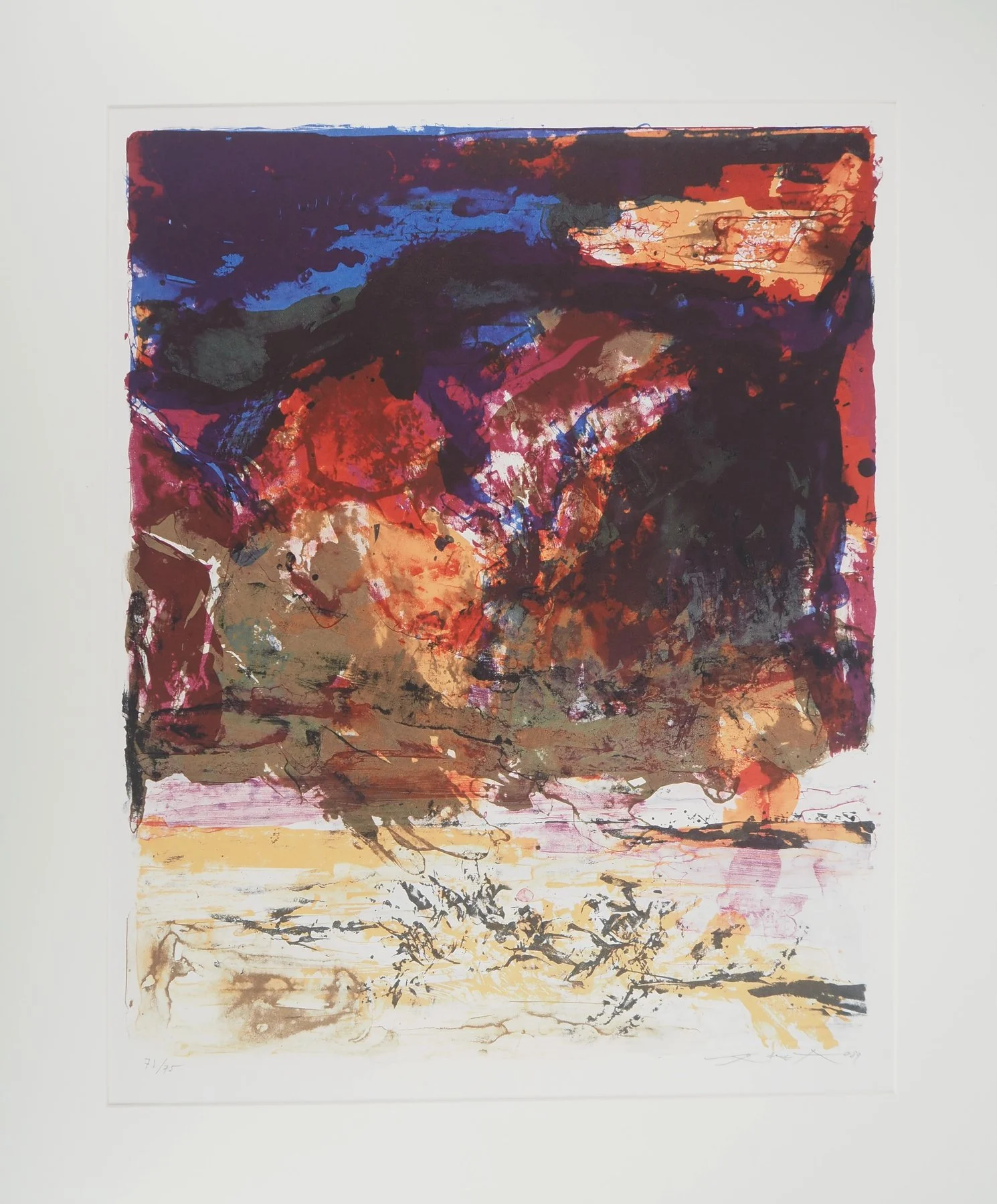
Risk is not only financial. It is reputational (what does this work say about me?) and emotional (what does it ask of me?). Reward arrives in similarly layered ways. A canvas by Zao Wou-Ki (赵无极) offers more than market performance; it grants a space for breathing—the lyricism of ink-inflected abstraction meeting European audacity, a meditative intensity that ripens with time.
Rituals Of Decision
Replace impulse with ritual. Begin with three questions: What story does this work tell? How does it speak to the other works I own? Where will it live? Then widen the frame: Who is the artist in community with? Which institutions, critics, and peers see momentum? Finally, stand with the piece. Your body knows. Does your pulse slow or quicken? Do you feel you could live with the work when fashion shifts?
From Image To Identity
We live inside our collections. The home becomes a curated psychology—a slow, daily dialogue with form and color. Art can sharpen a room’s intelligence or loosen it into play. A series by Nicole Lubbers, with tactile surfaces and measured palettes, might ground a space. A gleaming sculpture by Karl Lagasse (1981)—his sculpted dollars pressing value into matter—injects a charged conversation about money, desire, and belief.
Building A Resonant Collection
Start narrow, then widen. Let one strong thread—material, motif, or mood—guide early choices. As confidence grows, introduce counterpoints: pair pop exuberance with contemplative abstraction; offset polished resin with handmade paper. Keep provenance organized, invest in proper framing and conservation, and document the story of each piece—where you found it, what it changed in you. That narrative becomes a form of provenance, too.
Case Studies, Living Artists
Consider how different works engage different psychological levers. Takashi Murakami offers joyous immediacy and cultural omnipresence, balanced by rigorous craft and controlled scarcity. Zao Wou-Ki (赵无极) brings contemplative depth and cross-cultural lyricism that many collectors seek for long-term resonance. Karl Lagasse (1981) literalizes value through sculptural dollars, asking buyers to own the paradox they inhabit. naor channels the seductions of branding into critique, turning desire into subject matter. In a quieter register, Nicole Lubbers shows how tactile intelligence can calm a room and sharpen attention.
Seen together, these practices demonstrate a core truth of collecting psychology: we assemble not only objects but selves—affinities made visible, questions made durable.
Featured Works

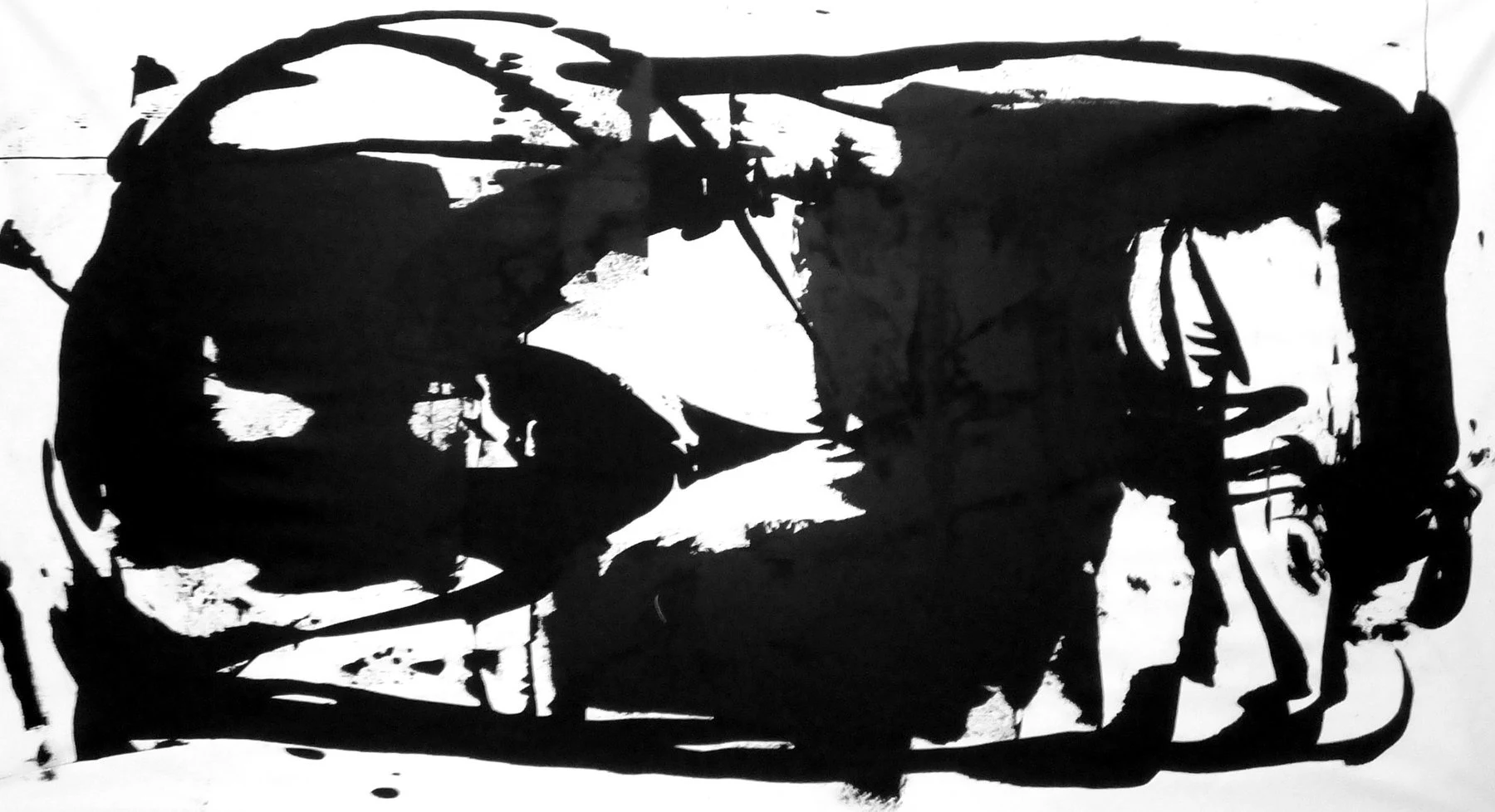
In the end, the strongest collections feel like well-edited novels. Each work a chapter; some loud, some whispering. Read together, they map a mind in time—a portrait not just of what we love, but why we love it.