
Bernard Aubertin: Reading Red, Nails, and Fire
Bernard Aubertin forged an elemental language from red paint, nails, and flame. This self-contained guide helps collectors read techniques, assess condition, frame safely, and buy with confidence—so minimal means deliver maximum impact at home.
Minimal doesn’t mean simple. Bernard Aubertin’s art uses a stripped vocabulary—red pigment, nails, and flame—to reach clarity that feels both ritual and radical. For many collectors, Bernard Aubertin offers a tactile alternative to screen-saturated images: you don’t just see his works; you sense time, heat, pressure, and patience.
This guide is a practical introduction for new admirers and a refresher for seasoned collectors. We translate the ZERO movement’s emphasis on light, material, and reset into actionable advice. You’ll learn how to read technique, evaluate condition, frame for longevity, and build a focused selection—without needing prior knowledge or insider jargon.
Aubertin’s vocabulary is compact—red monochromes, nail reliefs, and fire drawings—but its nuances are deep. By understanding how materials behave and what signals matter, you can select works that maintain their elemental power for decades.
ZERO roots, Aubertin’s red grammar
Aubertin’s practice is closely aligned with the postwar ZERO ethos: reduction, clarity, and material truth. Rather than depict, he lets materials perform. The choice of red is not about a single narrative symbol; it’s a disciplined grammar—intensity without distraction, a field that absorbs light and registers touch.
Reading a red monochrome means looking for rhythm in surface and light. Does the paint sit like a breathable skin or a glossy shield? Are the gestures consistent across the field, or does the surface reveal subtle shifts in pressure and tool? These cues point to the artist’s method and mood.
Collectors can train their eye by comparing multiple examples. Notice edge discipline, which tells you about process. A clean, confident edge suggests deliberate staging; a more porous border indicates a living surface that accepts chance. Neither is “better,” but each speaks to a different intention within Aubertin’s red language.
Monochromes and nail reliefs
Monochromes foreground the painterly act; nail reliefs introduce structure and light play. In these reliefs, nails puncture and articulate the surface, creating micro-theaters of shadow. Light shifts across the heads, transforming a rigid grid into a vibrating field.
When reading nail works, consider alignment, spacing, and relief depth. Are the nails driven to consistent heights, or do variations create a topographic rhythm? Does the piece rely on a strict matrix, or are deviations part of the visual pulse? Such features influence both the work’s presence and its sensitivity to handling.
Condition signals include bent or replaced nails, oxidation on heads, surface abrasions, and repairs around perforations. Pay attention to backboards and supports: panels should remain stable without warping; a replaced backing can be appropriate if disclosed and professionally executed. Ask for clear photos of edges and profile, not just the frontal view.
Drawing with fire on paper
Aubertin’s fire drawings turn flame into a mark-making tool. A brief kiss of fire can singe, soot, or bloom heat halos on paper, leaving a fragile choreography of lines and shadows. Each work is unique, and the medium’s volatility is part of its poetry.
Because fire modifies the paper surface rather than adding a stable layer of pigment, these works are particularly sensitive. Soot can transfer; scorched fibers can dry out; margins can show handling. Look for evenness in scorch, intended voids, and the way lines taper—telltale indicators of a direct, authentic heat trace rather than mechanical reproduction.
For deeper, technique-specific considerations, including framing and safe display, see our focused guide "Lines of Flame". It expands on conservation strategies without removing the works’ elemental charge.
Materials, condition, and care
Surface tells the story. On monochromes, learn to read sheen and saturation. Matte fields emphasize breath and light absorption; gloss can amplify reflection and reveal minute abrasions. Tilt the work under raking light to detect scuffs or inpainting—photographs taken from multiple angles help replicate this test remotely.
For nail reliefs, oxidation can appear as subtle toning on nail heads. Light, even patina can be aesthetically coherent; active rust, flaking, or staining requires attention. Verify that nails are secure and that there’s adequate clearance from glazing—shadows should breathe, not flatten against glass.
Fire drawings demand conservative care. Never try to clean soot; any attempt can abrade or smear the surface. Float mounts with generous margins, acid-free hinges, and deep spacers protect delicate char and allow paper to expand and contract naturally. UV-filtering glazing and controlled light exposure are essential.
If you’re new to Aubertin’s ZERO context and want a broader lens on materials and reduction, our overview "Zero Heat" situates these practices within a postwar rethink of art’s essentials.
Selecting works with confidence
Start with coherence: series, surface logic, and condition should align. In monochromes, ask about ground preparation and paint type; consistency in application suggests intentional process. For nail works, request profile photos and close-ups of corners and edges to assess integrity and potential repairs.
Provenance provides confidence. Seek documentation from reputable galleries, estates, or recognized specialists. Exhibition history can add context, but it’s not mandatory—what matters is a transparent chain of custody and clear descriptions. When possible, compare works side-by-side; even small format differences can significantly change presence at home.
Budget for framing and conservation. A deeper shadow box or custom spacer is not cosmetic—it’s preservation. Factor in museum-grade materials when evaluating total cost. Patience also pays: study several examples over time, note which features resonate with you, and wait for a work that balances intention, condition, and price.
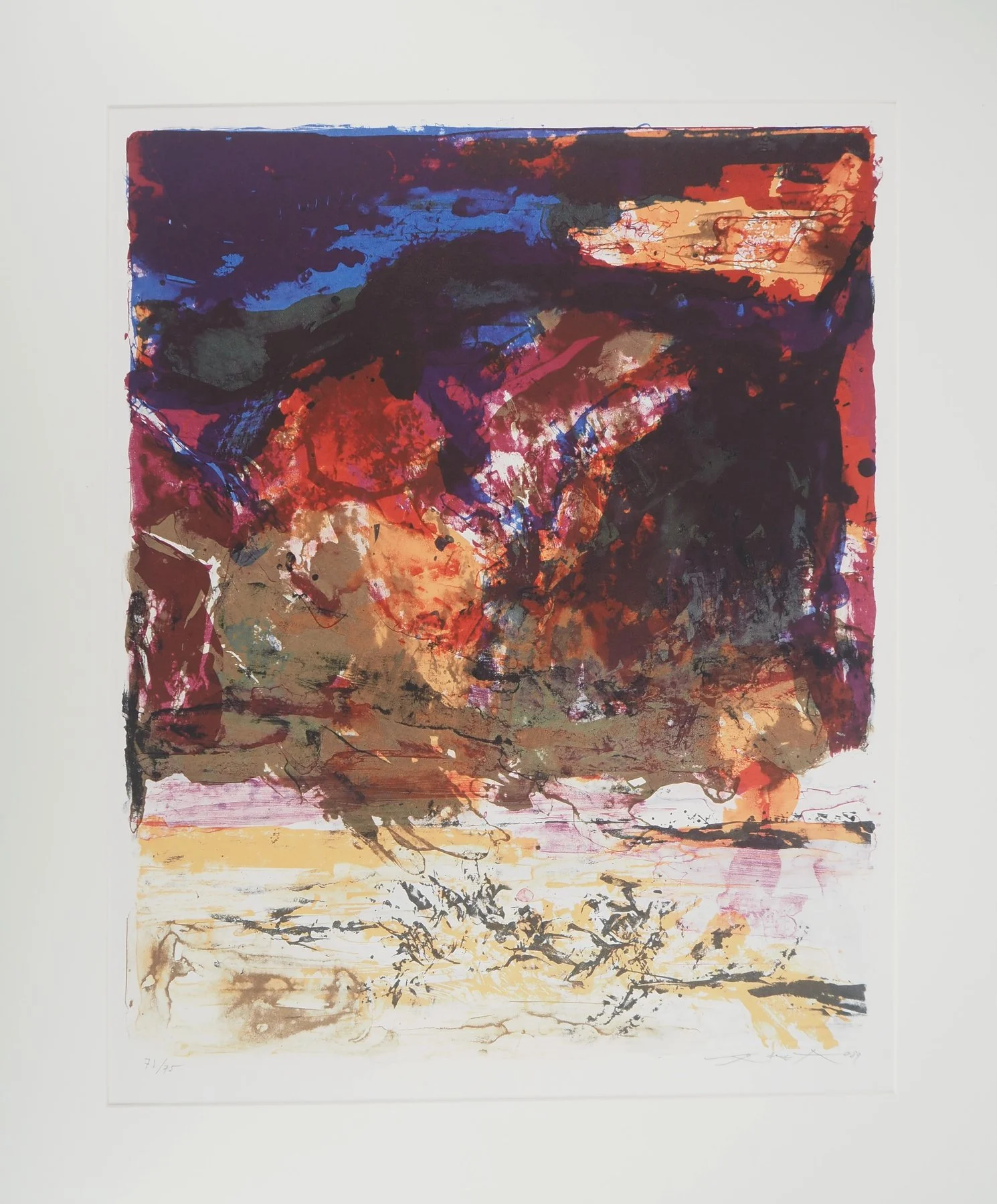
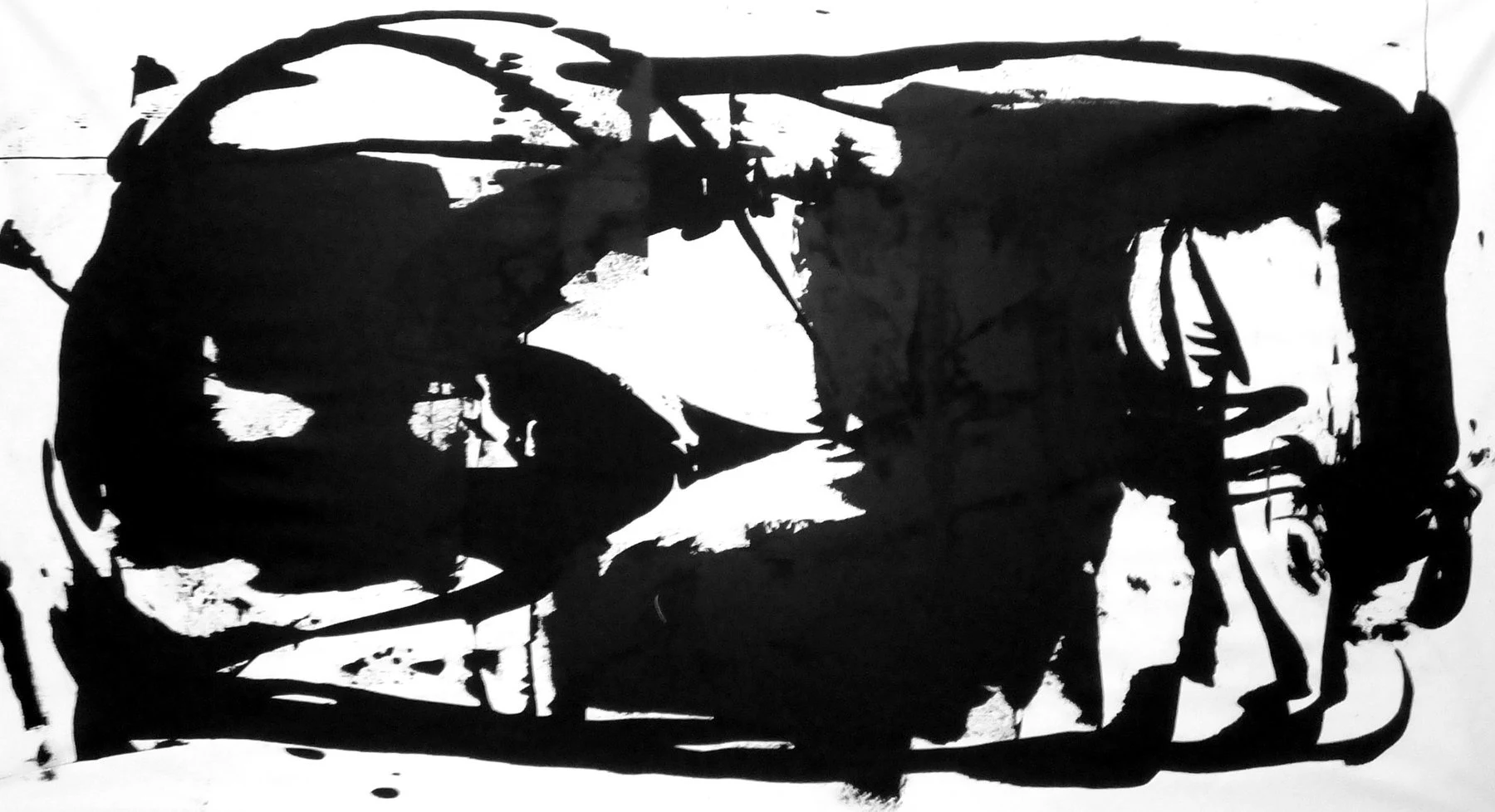
Featured Works

Display, framing, and longevity
Aubertin rewards thoughtful presentation. Monochromes benefit from even, indirect light that reveals surface rhythm without glare. Consider non-reflective, UV-filtering glazing to preserve saturation and calm viewing. A small, precise shadow line between artwork and frame can heighten the object’s presence.
For nail reliefs, depth matters. Use a shadow box with at least enough clearance to prevent nails from approaching glazing; deeper spacing enhances the play of light and shadow. Seal frames against dust. Never press reliefs against glass, and avoid hanging near heat sources or high-traffic zones where vibration could loosen elements.
Fire drawings should be floated on archival backings with window mats or spacers that ensure the sheet does not touch glazing. Keep light levels modest; rotate display if you live with strong seasonal sun. For all works, stable humidity and temperature are the quiet allies of longevity.
Conclusion: minimalist power, lasting care
Bernard Aubertin’s restrained means reward sustained attention. Red becomes a field for light; nails translate structure into shadow; fire turns absence and heat into line. As a collector, your role is to read materials closely, ask precise questions about condition and provenance, and present the work in ways that protect its clarity.
By pairing connoisseurship with simple, consistent care—good framing, stable environments, and informed handling—you support the very values Aubertin pursued: precision, presence, and calm. Minimalism, in this case, is not less—it’s more of what matters.