
Beyond the White Cube: Tomorrow’s Exhibitions
Art exhibitions are rapidly evolving into hybrid, multisensory ecosystems where craft meets code and collectors engage with both objects and experiences. This look ahead explores curatorial innovation, provenance for immersive shows, and sustainable operations that reshape how we encounter and collect contemporary art.
Tomorrow’s Exhibition Landscape
The future of art exhibitions is neither purely physical nor purely digital—it is a layered choreography where space, time, and participation are curated as carefully as the artworks themselves. The white cube is not disappearing; it is learning to host multiple realities at once. Rooms become stages, walls become portals, and the visitor becomes an active node in a network of stories. For collectors, this means a new kind of value emerges: the quality of encounter.
Hybrid Spaces, Layered Experiences
Hybrid exhibition design places tangible works alongside responsive media, acoustic environments, and discreet augmented overlays. A sculpture might be framed by a soundscape tuned to the material’s resonance, while a painting gains contextual “side channels” through handheld devices or timed projections. Galleries are experimenting with intimate viewing pods, communal listening sessions, and modular architecture that reconfigures throughout a show’s run. The result is a slower, more intentional encounter that honors craft while inviting mediated depth.
From Object To Experience
Collecting has always been about living with works, but tomorrow’s exhibitions extend that living to curated experiences: micro-performances, guided slow-looking, and episodic programming that evolves over weeks. Instead of one opening night, a show may unfold in chapters—each revealing cross-sections of material, process, or cultural context. This does not diminish the object; it amplifies its aura by situating it within time. Collectors increasingly value editioned experiences (talks, studio visits, sensory activations) that sit alongside physical acquisitions.
Sensing Art Beyond Screens
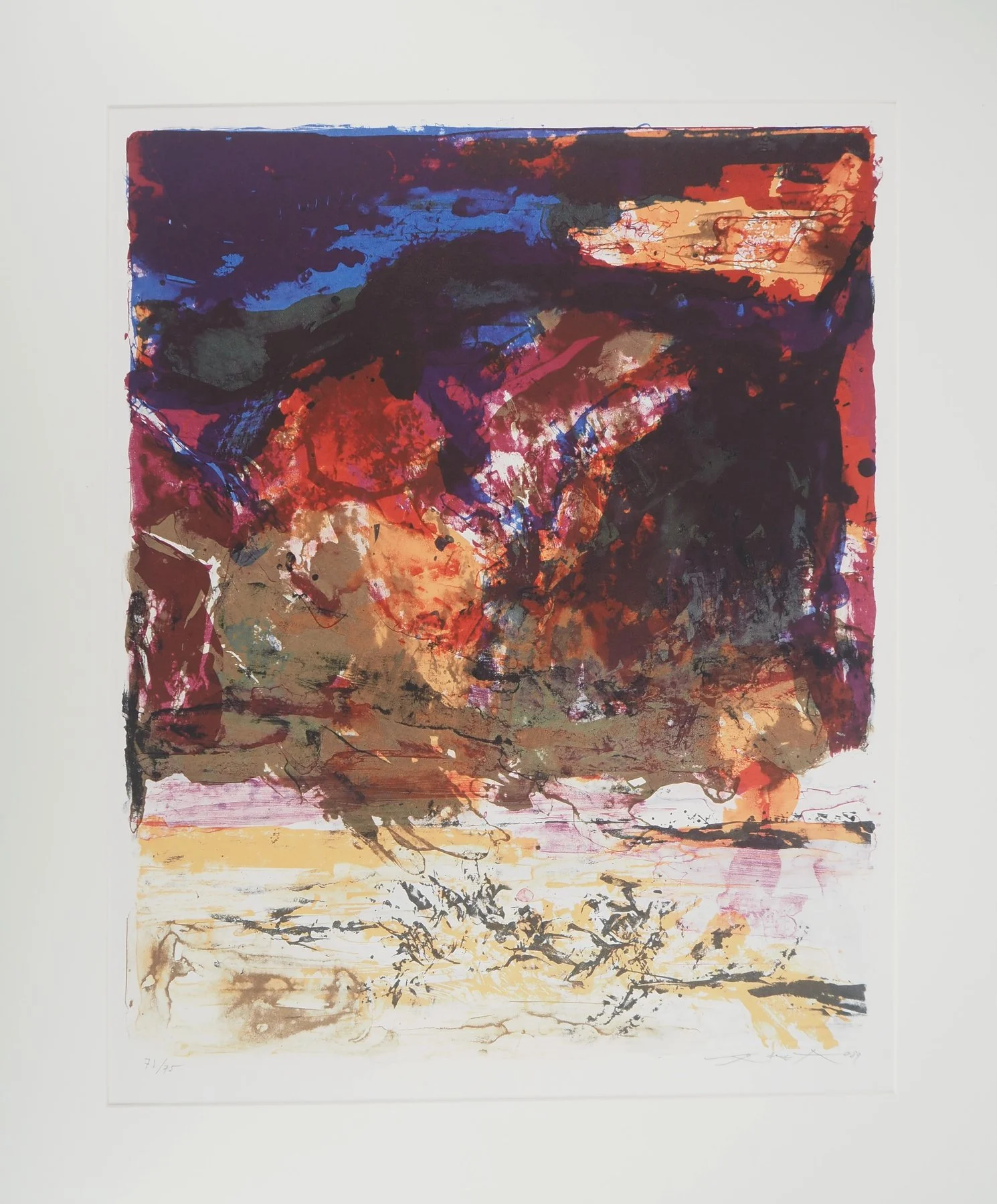
After years of screen saturation, exhibitions are rediscovering the body as the primary interface. Sound, scent, temperature, and tactility—carefully controlled—enable works to be felt rather than merely seen. Ritual and material presence return to the foreground, echoing artists whose practices center the elemental: think of the red rigor and fire of Bernard Aubertin, or the contemplative breath embedded in the brushwork of Zao Wou-Ki (赵无极). The key is sensitivity: multisensory cues must serve the artwork, not distract from it.
Curating With Data And Dialogue
Data can deepen exhibitions when used ethically and with consent. Time-on-art observations, visitor pathways, and sentiment notes inform curatorial adjustments while protecting privacy. Curators move from selection to facilitation—guiding dialogue, orchestrating atmospheres, and documenting how audiences meet the work. For collectors, transparent curatorial notes and exhibition diaries become part of a show’s narrative capital, enriching the provenance of acquired pieces.
Provenance In Immersive Contexts
As exhibitions become more experiential, provenance expands beyond the object to include the traces of encounter: installation diagrams, audio settings, material recipes, and performance scores. Documentation matters. Editioning for immersive components—whether a sound program or a sanctioned digital overlay—requires clear, durable records tied to the physical work without diluting its primacy. Thoughtful conservation protocols ensure that tomorrow’s experiences remain legible decades from now.
Sustainability And Operational Design
The future is not only aesthetic; it is operational. Galleries are reducing carbon footprints through modular builds, low-impact lighting, and digital twins that minimize travel while still offering depth. Shipping strategies favor compact works and shared logistics, while materials are chosen for longevity and recyclability. Sustainability is framed as a curatorial value: care for the environment becomes part of how we care for art.
Collecting Moments And Memory
Collectors increasingly curate their homes as evolving micro-exhibitions. They host listening evenings around a painting, stage quiet viewing sessions, and invite artists for intimate conversations that become part of the work’s lived context. Memory becomes a companion medium: journals, audio notes, and photographs of in-situ installations enrich the relationship between object and owner. As explored in our broader writings on collecting, emotion and reason continue their duet—now amplified by experience design.
Artists Redefining Display
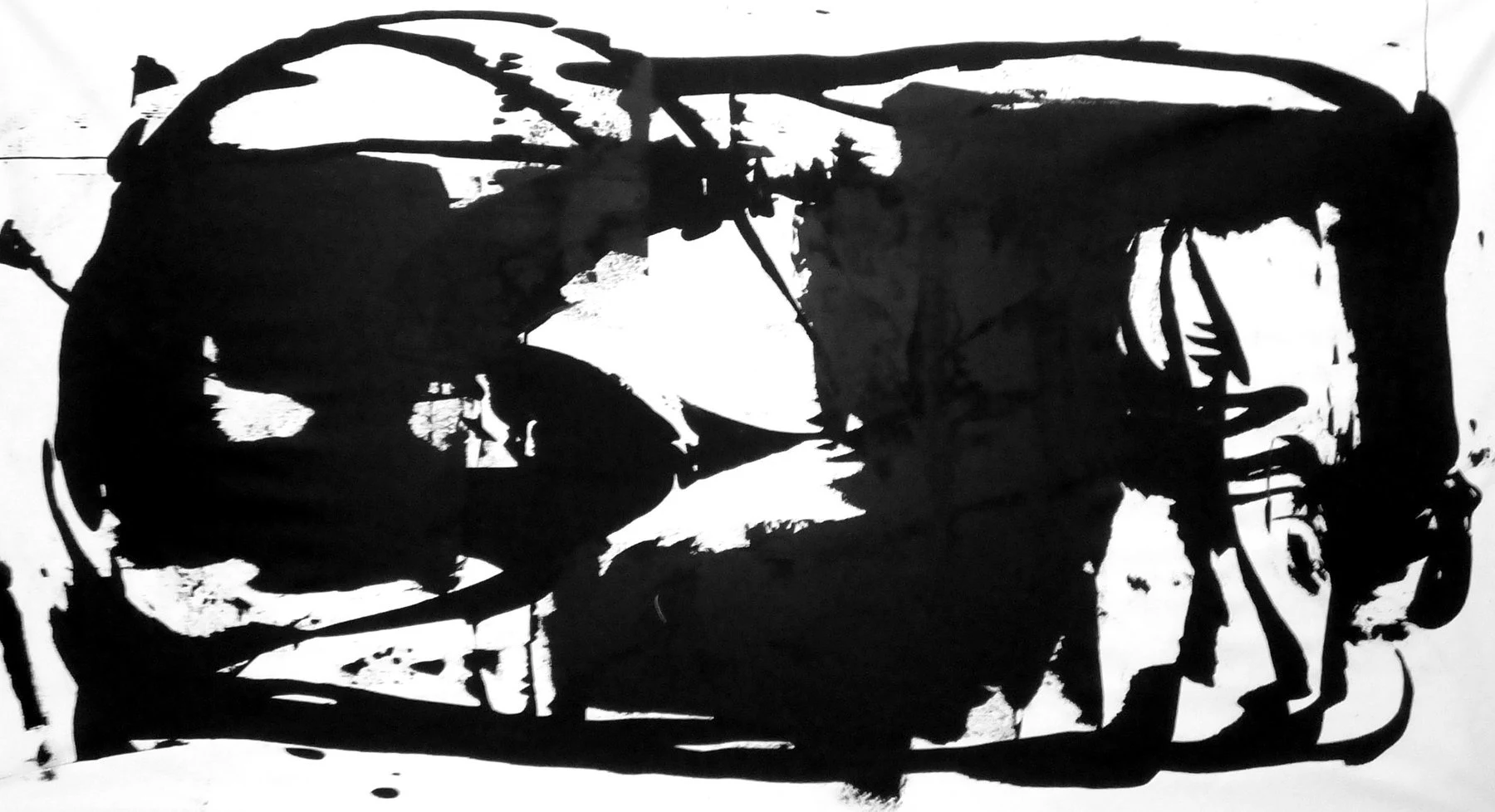
Many contemporary artists already speak fluently in this hybrid language. Takashi Murakami navigates museum halls and fashion runways with ease, making his works ideal for cross-platform staging that remains anchored in craft. Karl Lagasse (1981) brings sculptural icons into spaces that play with light and shadow, turning familiarity into presence. naor leverages resin and pop-lux motifs to probe consumer desire, thriving in shows that choreograph reflection and spectacle. Conceptual staging by Pierre Joseph and the material sensitivity of Nicole Lubbers suit exhibitions where object and context co-evolve. The lyrical abstraction of Zao Wou-Ki (赵无极) flourishes in contemplative rooms, while the ritual clarity of Bernard Aubertin resonates in performative frameworks. Together, they map a practice of display that is both tactile and time-based.
Navigating The Market Shift
As exhibitions turn experiential, pricing structures adapt. Beyond the sale of a work, collectors may encounter curated bundles: a sculpture plus its light score, a canvas with an editioned audio guide, or access to artist-led activations. Transparent pricing differentiates core acquisition from ancillary programming, aligning with the logic— and poetry—of value formation. For strategy-minded collectors, this hybrid economy rewards thoughtful curation as much as capital: choosing which experiences to archive alongside objects becomes part of building a collection.
What To Watch Now
Featured Works

The Emotional Future
Ultimately, tomorrow’s exhibitions slow us down. They ask for attention and offer presence in return. If digital art reset the architecture of the white cube, the next chapter restores craft, ritual, and communal listening as essential companions. For collectors and enthusiasts, the future is not a gadget; it is a feeling well staged—where the work breathes, and we breathe with it.