
Investing in ZERO Art: Works with Potential
ZERO reset postwar art to light, rhythm, and material clarity. This curated essay explains which works carry enduring value—how to read surfaces, provenance, and editions—so collectors invest with insight, not impulse.
The question of investing in ZERO art is, at heart, a question about beginnings. After 1945, a generation of European artists sought to reset the terms of art—reducing image to light, rhythm, and lucid material. ZERO, as an ethos rather than a single school, put forward a radical calm: repetition instead of gesture, reflection instead of illusion, precision instead of pictorial narrative. That clarity is not only art-historical; it also shapes how value endures.
For collectors, investing in ZERO art means reading materials with care and ideas with patience. Works that embody the movement’s elemental aims—monochrome fields, optical reliefs, disciplined seriality, light as a medium—tend to hold their cultural charge. Within this language, decisive series from figures like Bernard Aubertin indicate the movement’s rigor and offer concrete signals for connoisseurship: the quality of surfaces, the coherence of rhythm, and the discipline of craft.
This essay offers a museum-level lens: the historical logic of ZERO, the materials and techniques that matter most, the signals of enduring value, and how to position a collection with both insight and care.
Why ZERO Still Matters
ZERO grew from the pressure to begin again—to nullify grand style and rebuild meaning through modest, elemental means. Its visual grammar centers on light, reflection, serial rhythms, and monochrome planes, translated into reliefs, luminous surfaces, and works on paper marked by controlled processes. The mood is austere yet serene: the quiet of ritual repetition and the clarity of minimal means.
In today’s collecting context, this language feels lucid and timely. It counters the saturation of images with an insistence on material presence. ZERO also bridges postwar innovation and contemporary minimal sensibilities, letting a collection speak across decades with continuity. For readers seeking a compact historical overview of this reset to light and rhythm, see "ZERO and the Post‑War Avantgarde", which frames the movement’s cultural and technical foundations.
Materials and Techniques Read Closely
ZERO’s value—cultural and market—resides in deliberate craft. Monochromes require intelligent grounds: smooth industrial surfaces or subtly hand-worked planes where light diffuses evenly, without erratic brush chatter. Reliefs depend on strict alignment and rhythm; nails, rods, or tacks must stage a measured cadence, neither arbitrary nor overly decorative.
Works engaging fire, soot, or smoke demand controlled process and stable support. In paper-based flame drawings, the burn must be disciplined—lines of scorch and feathered soot that read as intentional mark, not accident. Reflective or luminous works hinge on surface integrity: aluminium and mirror foils should show even reflectance, and fastening methods must be clean, without distracting adhesive bleed or unnecessary stress points.
Aubertin’s Radical Material Grammar
Among ZERO’s clearest vocabularies, Bernard Aubertin forged an elemental grammar from red paint, nails, and fire. His monochromes prize chromatic consistency: red as a field of pulse rather than hue variation. Nail reliefs translate hammer rhythm into light—heads modulate reflection, shanks create micro‑shadows, and grids or waves become a disciplined score on wood.
For collectors, the signals reside in both clarity and care: nail alignment should be coherent and secure; surfaces should avoid flaking or unintended rust transfer; wooden supports should remain stable, with clean edges and measured thickness. Fire works must read as intentional lines—scorch, soot, and pale singe drawn with restraint—on papers that are not brittle, foxed, or unevenly toned.
If you wish to read nail reliefs with precision—how hammer, rhythm, and light meet in a monochrome plane—this deeper technical essay adds useful detail: "Hammered Light".
Featured Works
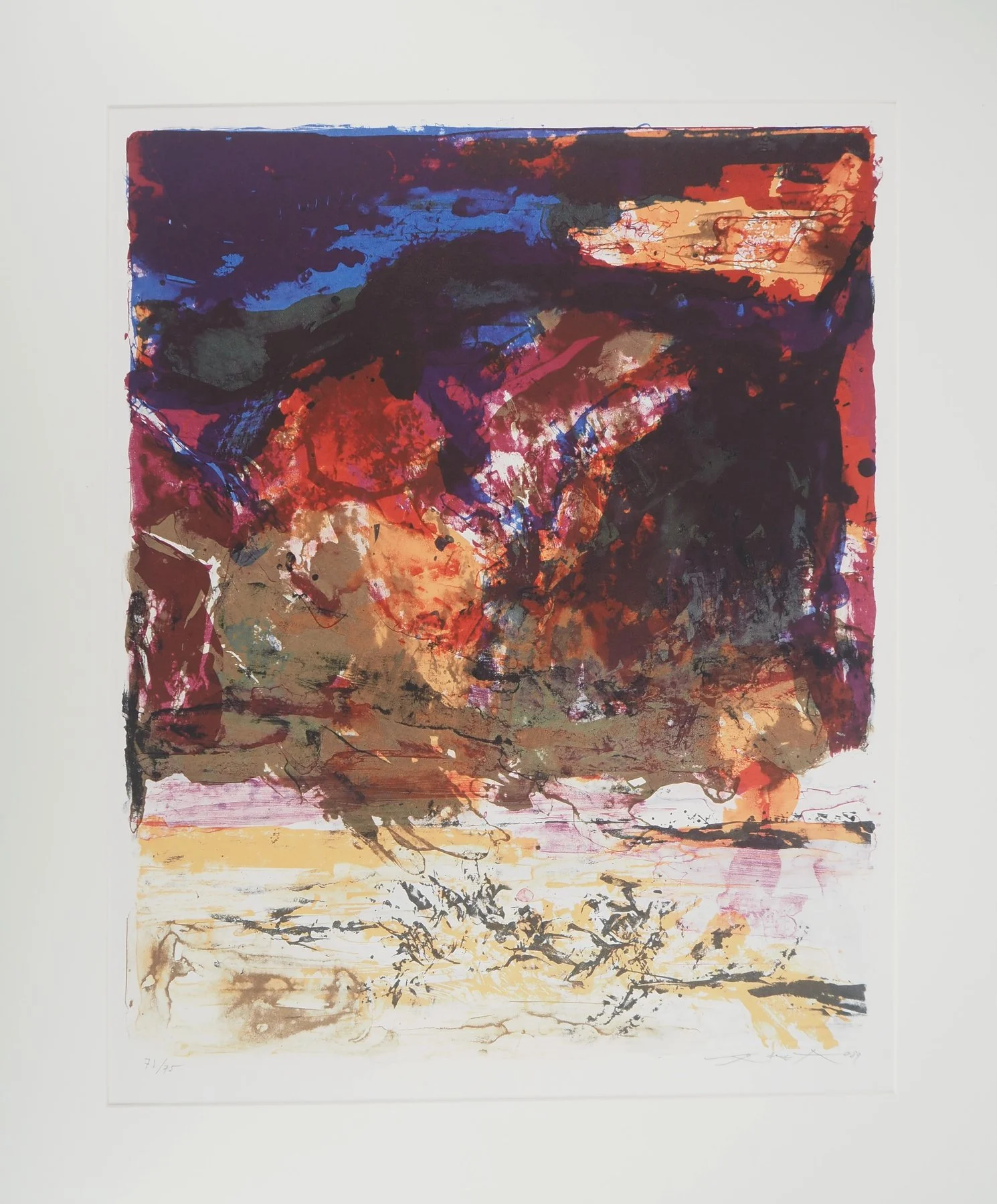

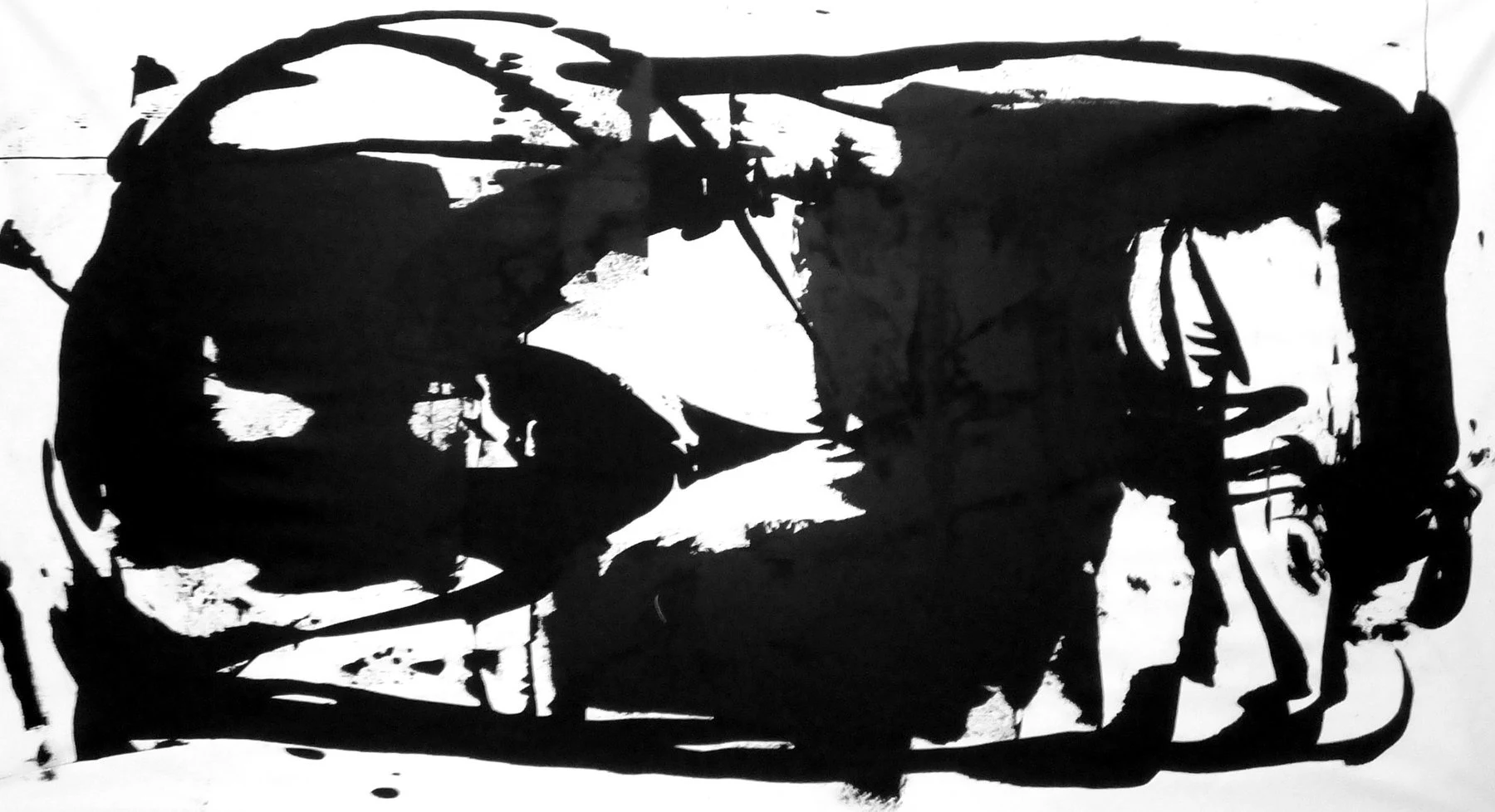
Light, Motion, and Calm
Beyond the red plane and the hammered nail, ZERO’s larger project choreographs light, motion, and calm. Optical reliefs use repetition to produce a soft rhythm; reflective fields fold ambient light into the work, merging object and environment. Kinetic elements, whether explicit or implied, often remain understated: motion is suggested through serial vibration rather than literal mechanics.
The best works sustain this calm with integrity of construction. Relief modules are consistent; reflective surfaces avoid wavering; hardware remains discreet. You should feel a lucid field rather than notice the engineering. When these criteria are met, the viewing experience becomes architectural—a measured space of attention—and, historically, such clarity has supported recognition and long‑term esteem.
Investing in ZERO Art
Investment, in the thoughtful sense, begins with reading signals that endure:
- Coherent series: Works that articulate a clear material language—monochromes, nail reliefs, disciplined fire drawings, ordered optical panels—tend to be legible across contexts. - Condition integrity: For reliefs, secure fastening and stable supports; for reflective surfaces, even sheen without abrasion; for fire works, controlled soot and scorch on sound papers. - Provenance and documentation: Reliable records—studio notes, gallery invoices, catalog mentions—anchor confidence. Exhibition history adds context when present, but documentation should be factual rather than promotional. - Edition clarity: Multiples and works on paper must state edition size, type (e.g., A.P., H.C.), and technique. Clear edition signals support trust and comparability. - Scale and concentration: Larger works can carry architectural presence, while concise, well-composed smaller pieces may concentrate rhythm more intensely. Value depends on quality, not size alone.
Within ZERO’s spectrum, Bernard Aubertin offers distinct pathways: red monochromes with disciplined fields; tableau clous whose measured cadence turns matter into light; and fire drawings that translate energy into delicate trace. Early or well-documented examples in each line often provide connoisseurial clarity. Works on paper can be excellent entry points when their technique is coherent and their condition sound.
Collecting ZERO Today
To build a resonant ZERO strand in a contemporary collection, aim for focus and material intelligence. Choose works that embody clarity rather than illustrate themes. Read supports, fastenings, and surfaces attentively; understand how light interacts with each piece at home. Keep documentation organized—edition sheets, invoices, condition reports—and maintain stable display conditions: calm light, modest humidity, and professional framing with inert materials.
Pair ZERO with contemporary abstraction and minimal practices to amplify dialogue: the ritual calm of postwar relief next to a lucid color field or a process-driven contemporary surface. Across time, the collection’s strength will reside in disciplined craft and sustained clarity. Invest not in trends but in the movement’s elemental promise: light, rhythm, and matter arranged with intelligence.
In sum, investing in ZERO art is investing in a precise way of seeing. Works that honor the movement’s core—lucid planes, measured relief, disciplined process—carry both cultural weight and durable appeal. Choose carefully, document thoroughly, and live with the work’s ritual calm; value will follow the clarity you’ve chosen to cultivate.