
Lines of Flame: Collecting Aubertin’s Fire Drawings
Bernard Aubertin’s “dessins de feu” turn flame into a drawing tool, leaving delicate scorch, soot, and light on paper. This guide explains how to read technique and condition, frame and conserve safely, and buy with confidence while preserving the work’s elemental power.
Bernard Aubertin’s fire drawings are deceptively simple: lines traced by flame, shadows cast by combustion, and a surface that records heat as if it were ink. In an age of immaculate finishes, these works invite you to witness risk and timing. They are presence and residue at once.
Collecting them is an invitation to sharpen your eye. With fire, intention and accident meet in a razor-thin zone. For collectors, understanding how the artist orchestrates that tension—where scorch, soot, and paper memory converge—is the key to connoisseurship with Bernard Aubertin.
Fire As Drawing
“Dessin de feu” makes a literal claim: drawing with fire. The tool is heat; the line is a scorch halo; the ink is soot. A gesture becomes a chemistry of browns and blacks, shifting from honeyed amber to matte charcoal along each stroke.
The support matters. Paper-based substrates are responsive and unforgiving, registering both intent and mishap. Each mark signals decisions about distance, speed, and oxygen. The result reads like calligraphy written in risk—uniquely irreproducible and emotionally immediate.
Technique, Risk, Control
Fire is never perfectly obedient. In the hands of an artist, it becomes a choreography of approach and retreat—ignite, hover, withdraw, extinguish. Lines might be drawn by passing a small flame near the surface, creating controlled heat blooms and finely calibrated edge softness.
Expect variation. Some passages are crisp, others smoky, reflecting shifts in timing and angle. This is not a medium for editions; each work is singular. The artistic question isn’t “how straight is the line?” but “how alive is the encounter between heat and material?”
Reading Material Signals
Train your eye to see temperature in color. Subtle gradients—from pale straw tones to deep umber and velvety black—suggest nuanced control. Look at transitions: do scorch halos feather gently, or do they break abruptly? Intentionality often reveals itself in rhythm and negative space.
Condition is the second language. Gently inspect for warping, embrittlement, over‑handling smudges, or transferred soot. Seek a coherent provenance trail and comparative examples that share materials and sensibility. When in doubt, request a paper conservator’s opinion and a detailed condition report.
Featured Works
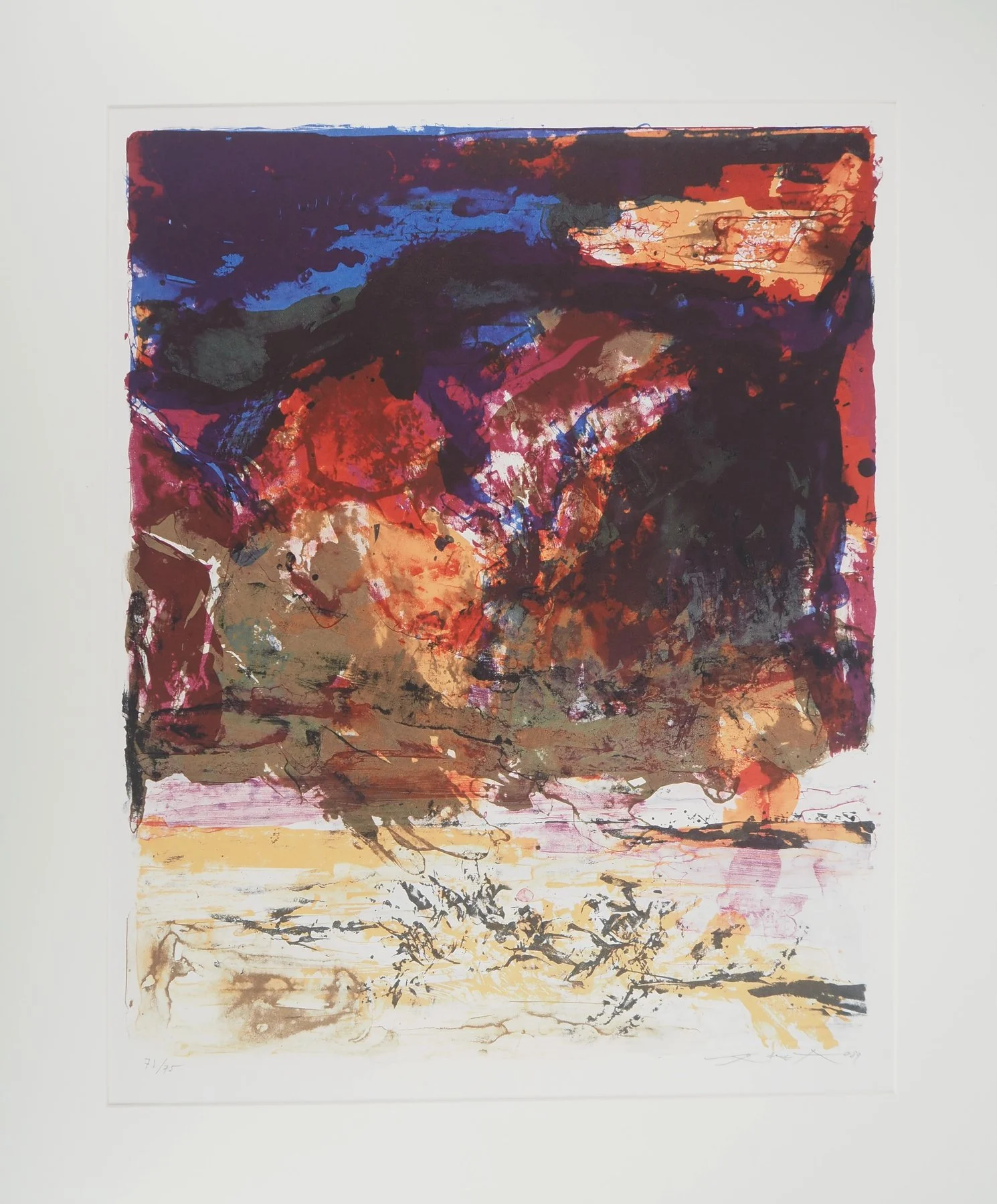

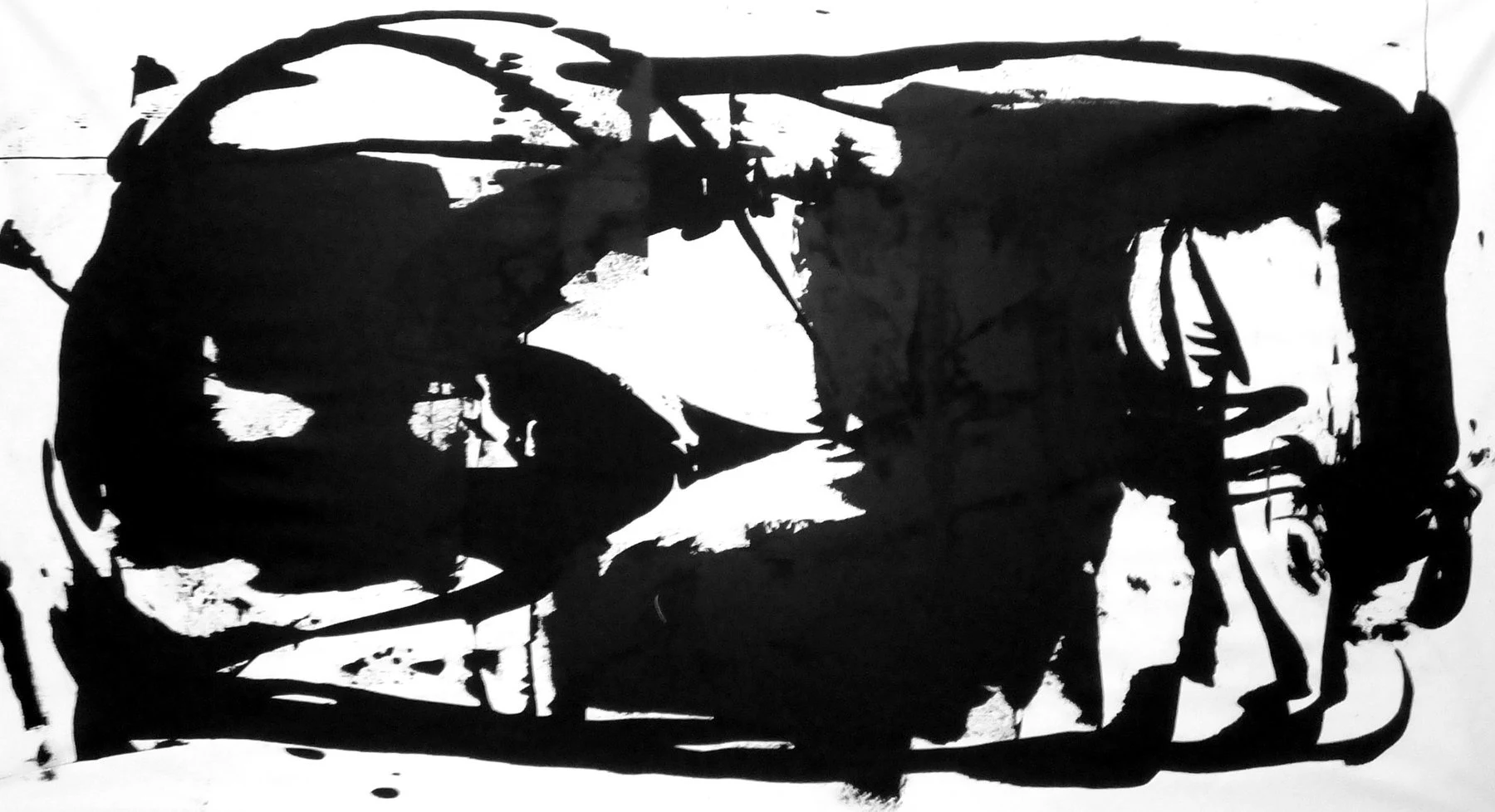
Care, Framing, Conservation
Think microclimate. Works on paper benefit from museum‑grade, acid‑free mounting, UV‑filter glazing, and a spacer that keeps glass off the surface. Avoid direct sunlight, high heat sources, and fluctuating humidity; stable, moderate conditions serve the work best.
Do not attempt to “fix” soot yourself. Aerosol fixatives can alter tone and gloss or trap contaminants. If stabilization is necessary, consult a professional paper conservator. For shipping, request interleaving with inert, non‑stick sheets, rigid backing, and double‑boxing to prevent vibration and abrasion.
Buying With Confidence
Ask for clarity: high‑resolution images in raking light, a current condition report, and complete provenance from creation to present owner. Confirm whether the work has been framed archivally and whether any conservation has been performed—and by whom.
Evaluate the seller’s reputation and the work’s coherence with recognized practice. Compare gesture, material response, and overall sensibility with other accepted examples. If you’re new to the artist, read deeply; our broader essay provides context: "Red Alchemy".
Living With Fire
Part of the magic of a fire drawing is how it changes with light throughout the day. From a distance, the composition reads as line and field; up close, it becomes a landscape of micro‑textures and heat shadows.
Curate breathing room around it. Pair with quieter surfaces—unpainted wood, matte stone, or a single color field—to let the work’s temporal charge resonate. You’re not only collecting an image; you’re stewarding an encounter between energy and matter.