
Numbers, Scarcity, and the Print Promise
Edition numbers are the small fractions that carry big meaning. For contemporary collectors, understanding how 3/50 differs from AP or HC reveals the craft, scarcity, and value embedded in limited prints—and how those signals shape both market confidence and emotional connection.
Why Editions Matter
Limited prints are where access meets artistry. In a culture that prizes rarity, edition numbers translate the poetic labor of printmaking into collectible form without abandoning touch, craft, or intention. They help collectors balance the duet of emotion and reason—a theme we’ve explored before—by providing clear signals of scarcity alongside the lived experience of a work at home.
The Anatomy of Edition Numbers
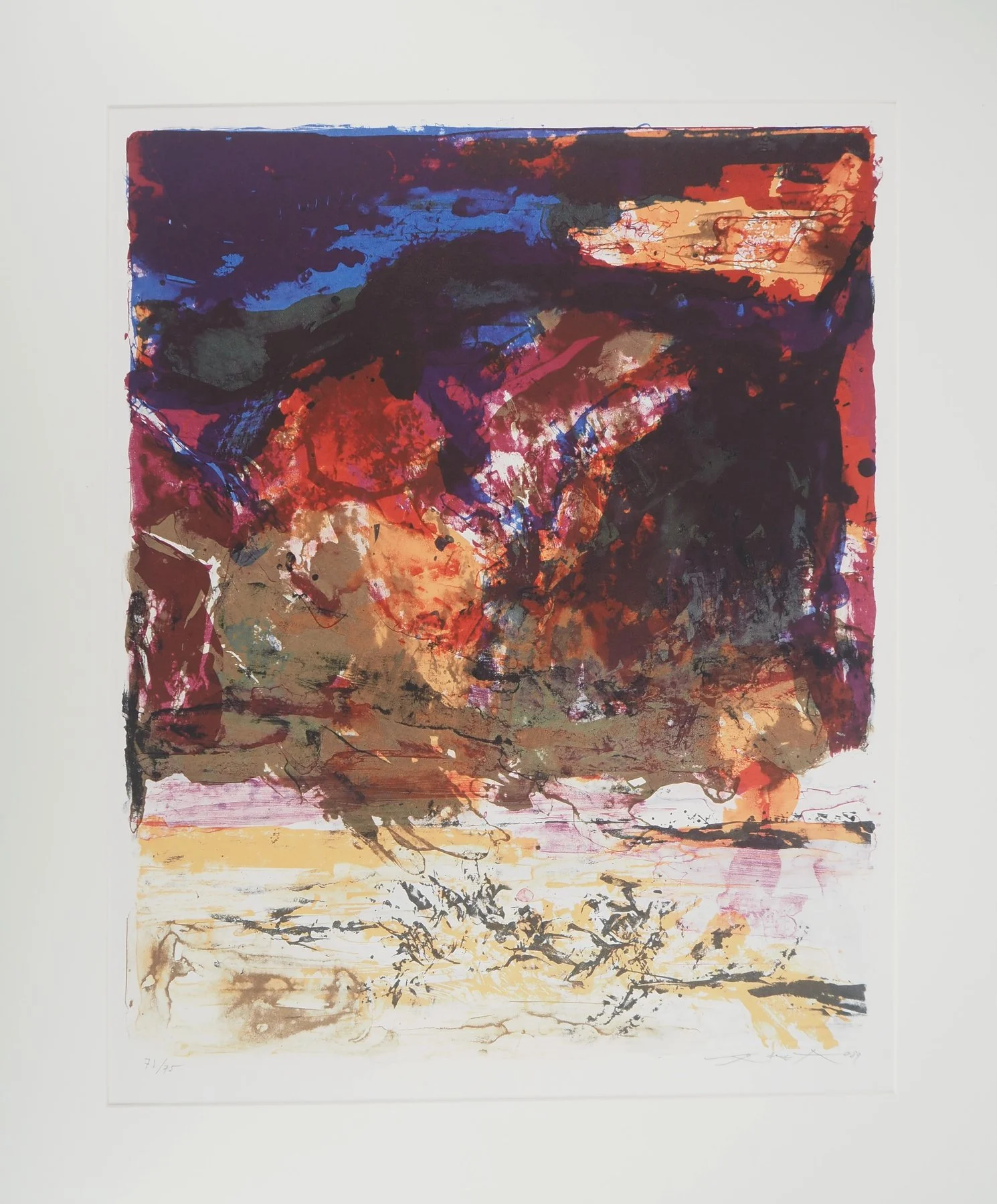
An edition number like 3/50 reads as “third impression from a total of fifty.” The denominator indicates planned quantity; the numerator is a cataloging sequence, not a value ranking. Smaller editions generally suggest tighter scarcity, but context matters: a master printer, demanding technique, or historic collaboration can make a moderate edition feel rare. Open editions, by contrast, prioritize accessibility and presence over scarcity.
Limited Prints and Real Scarcity
Scarcity isn’t just a number; it’s how a work is closed. Plates retired, screens archived, and timed releases create real limits. Post‑NFT, collectors are gravitating toward the integrity of physical processes—ink absorbed by paper fibers, edges deckled by hand, the gentle pressure of a press—signals that resist infinite duplication and affirm value through craft and care.
Artist Proofs and Collector Signals
Beyond the numbered edition, you’ll encounter AP (Artist’s Proof), PP (Printer’s Proof), HC or EA (Hors Commerce / Épreuve d’Artiste), and BAT (bon à tirer). APs are typically limited—often around ten percent of the edition—and can carry a studio aura collectors love. Yet their value depends on the artist and history: not inherently “better,” they are meaningful when tied to process and provenance documented in a COA.
Paper, Ink, and Process
Technique shapes value as much as numbers. Lithographs, screenprints, woodcuts, and pigment prints each have different textures, saturations, and conservation needs. Collectors of Takashi Murakami know how immaculate inks and glossy finishes elevate a print’s presence, while Zao Wou-Ki (赵无极) lithographs breathe with painterly delicacy. Embossing, foil, and hand‑applied details can transform a “limited” print into a deeply crafted object.
Featured Works

Pricing, Value, and Trust
Edition size is only one variable. Pricing reflects reputation, technique, condition, and provenance—plus signals like signatures, blindstamps, and certificates. A well‑documented work sets collectors at ease, especially in an evolving market. Consider how Karl Lagasse (1981) translates value into sculptural editions: scarcity, symbolism, and immaculate finish combine to shape demand in tandem with the artist’s broader cultural footprint.
Caring for Editioned Works
To protect value, think presentation and preservation. Use archival mats, UV glazing, and museum‑grade framing to prevent fading and acid migration. Control light, humidity, and handling; store prints flat in acid‑free sleeves. Keep documentation—COA, invoices, and photos—alongside the work. Long‑term trust grows when care and evidence move together.
Trends Shaping Today’s Editions
Today’s editions embrace nuance: variable editions with hand‑finishing, hybrid physical‑digital releases with robust provenance, and collaborations that bridge art, design, and fashion. Artists like naor turn pop iconography into provocative multiples, while the ritual rigor of Bernard Aubertin reminds us that seriality can be spiritual as well as numeric. The upshot? Collectors want touch, truth, and a clear story—scarcity that feels earned.