
Owning the Gaze: How Collectors Think
Why do certain works feel irresistible while others fade from memory? A look inside the psychology of collecting reveals how attention, emotion, ritual, and context shape decisions—and how contemporary art invites both mind and market to dance.
Attention, Emotion, and the Eye
Collecting begins long before a transaction. It starts with the eye—how it lands, lingers, and loops back. Visual attention is selective: the brain filters thousands of stimuli to spotlight a handful worth caring about. Contemporary art exploits that spotlight. Scale commands, color seduces, texture whispers. The first seconds in front of a work set the tone, and in those seconds emotion quietly directs the gaze. We rarely fall for what is perfect; we fall for what is vivid, strange, or true to a feeling we recognize.
Collectors learn to trust this choreography. They understand that the first encounter is a test of resonance, not a verdict. In an era recalibrated after the NFT surge, the pendulum has swung toward touch and tactility again—emotion enhanced by material presence. What you feel in your gut is a signal; what you do with it becomes a collection.
From Seeing to Wanting
The leap from attention to desire is psychological. Wanting is a story about the future: where will this artwork live, what will it do to the room, how will it shape the self I’m becoming? Collectors don’t just acquire objects; they acquire anticipated states. A painting promises calm or charge; a sculpture promises conversation; a print promises ritual—numbered, signed, and specific. Scarcity factors in, of course. The knowledge that an edition is limited structures desire into urgency, a pattern familiar to seasoned buyers and first-timers alike.
But wanting, at its core, is cognitive glue formed by repetition. If you find yourself revisiting images, dreaming in their colors, imagining their scale against your wall, you’re rehearsing ownership. The most successful acquisitions often begin as persistent returns, not lightning strikes.
Rituals That Reduce Risk
Collecting is emotional, yet it thrives on structure. Rituals—studio visits, condition reports, provenance checks, edition verification—transform heat into light. They reduce uncertainty without extinguishing enthusiasm. Seasoned collectors develop personal checklists: walk away for a day, revisit under different lighting, read the artist’s statement out loud, and test a mockup on the wall.
These rituals do not oppose passion; they guard it. In contemporary practice, where process is often integral to meaning, asking about materials, fabrication partners, and conservation is not bureaucratic—it’s intimate. You’re learning how the work was born and how it will age in your care.
Memory, Story, and Status
Ownership changes memory. The endowment effect—valuing what we own more than what we don’t—has a cultural twin in collecting: the stories we attach to acquisitions grow richer over time. The opening night conversation, the first morning coffee in front of the piece, the friend who broke into tears—these episodes become part of the artwork’s aura.
Status plays a role, but it’s subtler than clichés suggest. In contemporary art, status follows coherence. Collections that feel lived-in and intellectually consistent project confidence. They signal commitment to ideas, not just price points. The market reads this, but so do houseguests. The point is not to perform wealth; it’s to perform attention—an even rarer currency.
Material Signals, Real Feel
Materials are messages. A crimson field punctured by nails radiates tension and ritual, a feeling that artists like Bernard Aubertin honed into an elemental language. A cloud-like abstraction breathes across cultures—think of the lyrical expanses of Zao Wou-Ki (赵无极)—inviting a slower gaze and patient ownership. Pop-inflected icons, from Takashi Murakami’s smiling flowers to Karl Lagasse (1981)’s sculpted dollars, probe the psychology of value itself: what we worship, spend, and save. And resin-luxe fusions by naor turn branding into a mirror, reflecting our desires back at us.
Collectors read these signals with both hand and eye. Texture, weight, surface finish, and construction details anchor belief. In a post-digital moment, the handshake between concept and craft often determines whether a work can live with you for years.
Featured Works
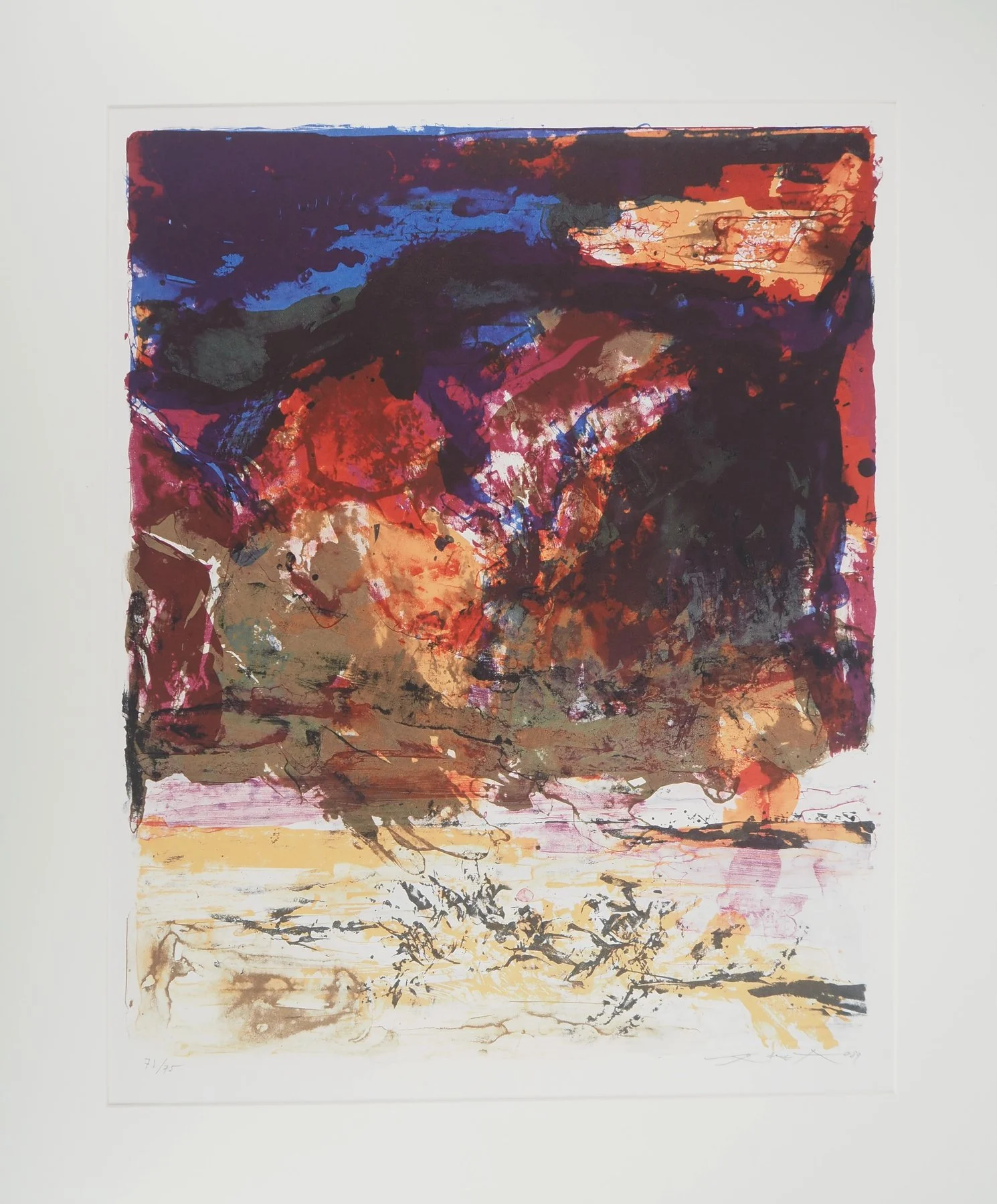

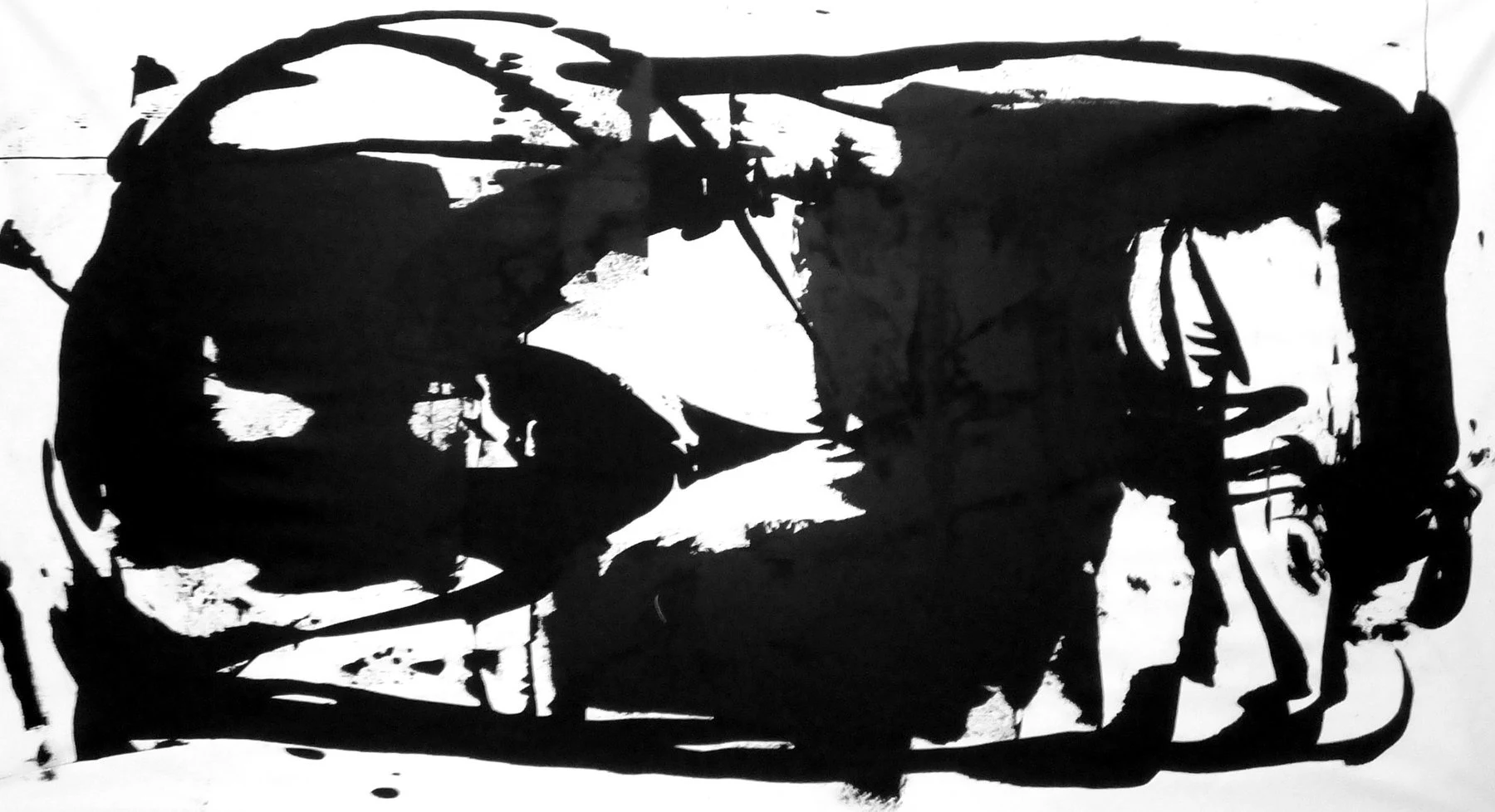
Context Shapes Perception
Where and how we encounter art changes what we feel. Museums lend gravitas; studio floors offer intimacy; hybrid exhibitions add multisensory cues—sound, scent, and interactivity that imprint on memory. This context-dependency extends to the home. A piece that glows in a gallery might need warmer light or breathing room on your wall; a work that hums quietly in storage might electrify a hallway.
The frame, the spacing, and even adjacent artworks subtly alter meaning. Collectors are curators of contexts. Rehangs recalibrate. Moving a work from living room to bedroom can unlock new readings—calmer mornings, deeper evenings, fresh conversations. Context is not backdrop; it’s content.
Timing, Regret, and Joy
Every collection has its folklore of the one that got away. Regret is a teacher, not a verdict. It trains your timing: which instincts to trust, which thresholds to hold. The market’s tempo—fairs, drops, waiting lists—can accelerate decisions, but the collector’s tempo should be personal. Some works demand a pause; others punish hesitation. Learning the difference is an art in itself.
Joy, meanwhile, is the endgame. The daily encounter—the work catching sunrise, the unexpected color halo at dusk—that’s the dividend. When joy is stable and repeatable, price feels contextual rather than central. Emotional yield makes financial metrics legible.
Designing Better Decisions
Good collecting is not luck; it’s decision architecture. A few practical prompts:
- Embrace slow looking: five uninterrupted minutes per work, twice. - Keep a collecting journal: note first impressions, doubts, and physical sensations. - Test at home: tape the dimensions on your wall; request a loan or try a digital mockup. - Verify the story: materials, edition specifics, signatures, condition, and provenance. - Calibrate the mix: balance anchors (established names) with emerging voices that move you. - Revisit after sleep: if desire persists, it’s likely authentic.
Contemporary art invites us to integrate head and heart—to stage a serious conversation between what moves us and what sustains value. The psychology of collecting isn’t a trick to be solved; it’s a practice to be refined. Over time, your eye becomes a compass, your rituals a map, and your walls the biography of your attention.