
Red Alchemy: Bernard Aubertin Today
Bernard Aubertin forged a radical language from red, nails, and fire—an elemental vocabulary that still feels urgent for contemporary collectors. His work bridges ritual and rigor, offering a tactile counterpoint to a screen-saturated culture while speaking fluently to the market’s evolving sense of value.
Fire, Rhythm, and Silence
Encountering Bernard Aubertin’s work feels like stepping into a chamber tuned to one frequency: red. Against this charged field, nails tap out rhythms and fire leaves invisible breaths made visible. His surfaces are austere yet alive, a disciplined stage where repetition becomes ceremony and risk becomes drawing. In an era obsessed with images, Aubertin’s objects insist on touch—on a choreography of time, sound, and residue that pushes viewers beyond mere looking. Bernard Aubertin
Zero Movement, Contemporary Echoes
Aubertin’s practice is inseparable from the ZERO movement’s pursuit of renewal: a postwar reset that favored light, seriality, and material clarity over the gestural dramas of mid‑century expressionism. If ZERO sought to clear the canvas and start again, Aubertin took that mandate literally, stripping color to red as a single, vibrating constant. Today, his economy of means feels newly resonant. In a moment when algorithms valorize pattern and systems, Aubertin’s repetition reads like an analog code—humanly measured, insistently imperfect, deeply mindful of time.
Material Tactics and Technique
Aubertin’s two most iconic bodies of work—nail paintings (Tableaux Clous) and fire works (Tableaux Feu)—reveal different temperaments of control. The nails are labor and rhythm: hammered into wooden panels, aligned in grids or waves, they build a microtopography that moves light across the surface. From a distance, the works are monolithic; up close, each nail is a heartbeat. The red ground acts as a field where shadows and metallic gleam create a quiet pulse.
The fire pieces invert that logic. Rows of matches are adhered to a support and then ignited, transforming heat into mark. Smoke deposits, char, and blistered surfaces record an event rather than an image. The artist becomes a steward of chance, calibrating ignition so that combustion performs as drawing—an elemental collaboration between intention and volatility. Here, red confronts black: a ritual of heat and residue that reads as both archeology and archive.
Collectors often ask what to look for. In nail works, pay attention to the density, alignment, and rhythm of placement—the quality of the hammered field is the poetry. In fire works, seek clarity of burn patterns, intact match heads or their trace, and the expressive balance between soot and red ground. Documentation matters: photographs of the action, inscriptions, stamps, and certificates help narrate the work’s creation.
Featured Works
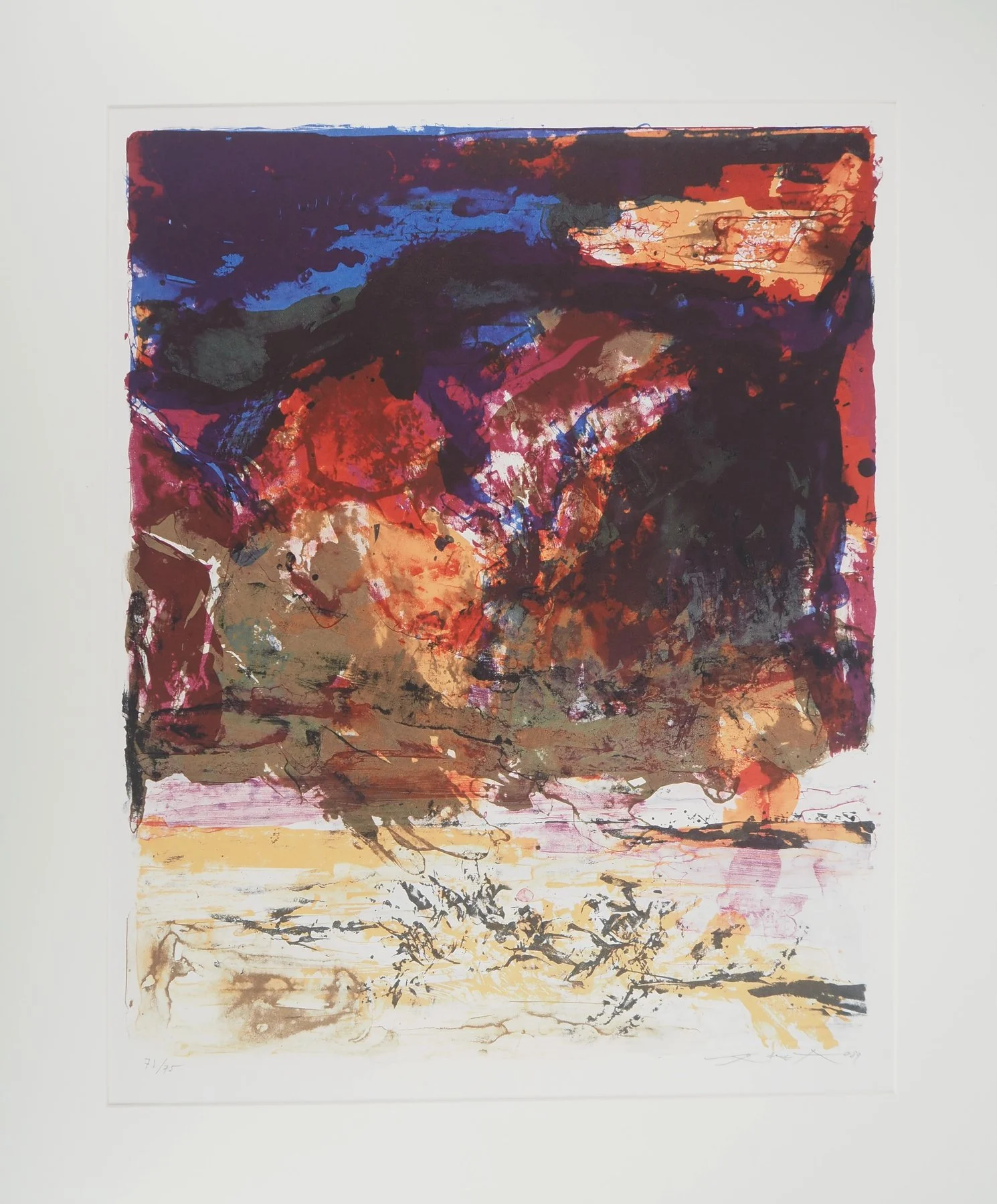

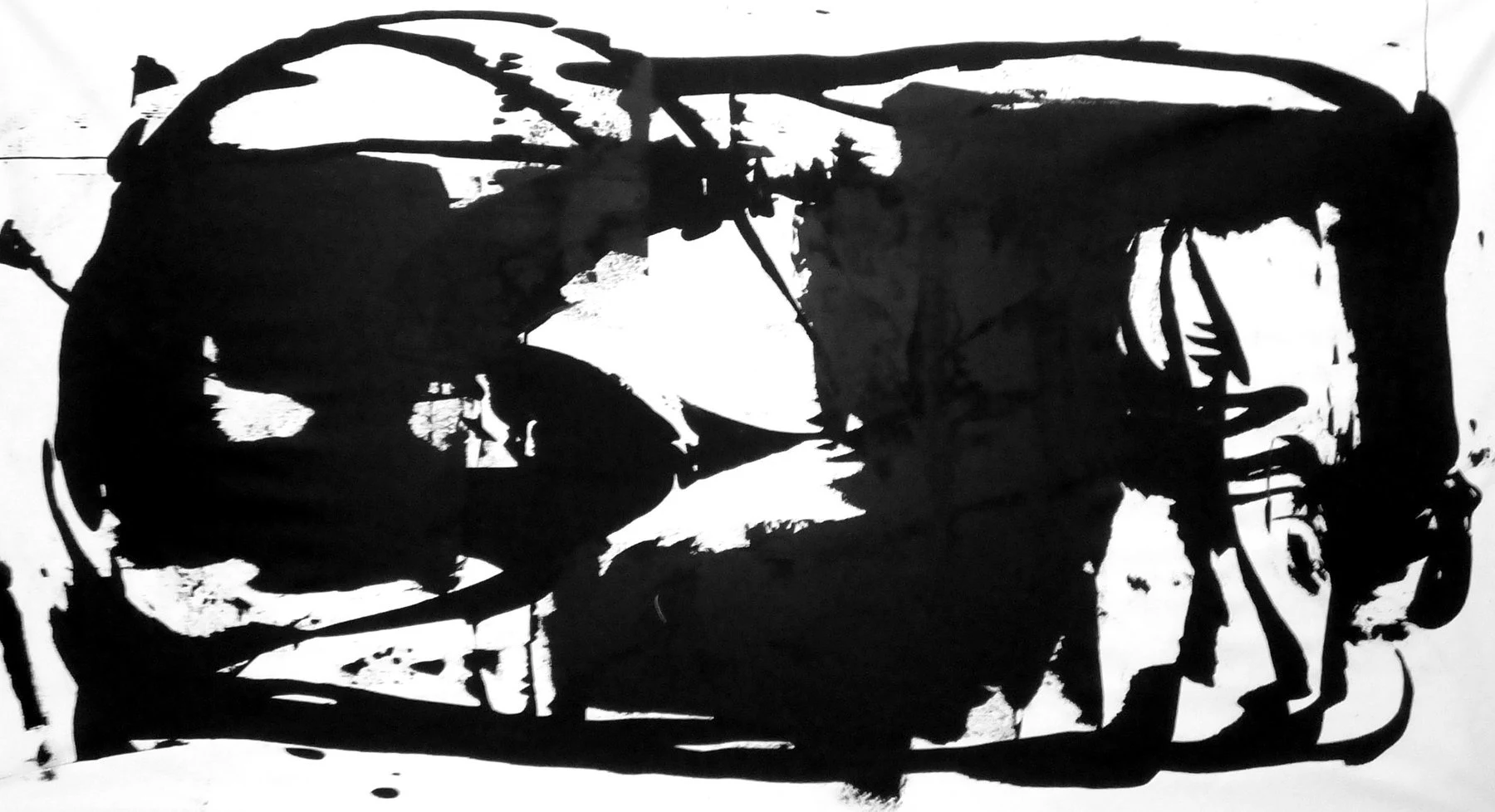
Market Signals and Scarcity
As the market recalibrates, Aubertin’s practice sits at the intersection of rigorous craft and a contemporary hunger for authenticity—two drivers of value that extend beyond trend. Scarcity plays a role: early ZERO‑period works, well‑documented fire actions, and signature nail configurations tend to attract strong attention. Provenance and exhibition history remain central, as does condition—particularly for pieces with deliberate brûlure, where conservation expertise adds confidence.
Crucially, Aubertin’s art aligns with collectors seeking more than image. The tactile intelligence of his surfaces responds to the broader cultural shift toward touch and process highlighted across post‑NFT discourse. In that context, his red panels and scorch‑drawings feel like anchors—objects whose value arises from material truth, ritual labor, and a disciplined embrace of chance.
Emotional Gravity in Red
Red is not just color in Aubertin’s world—it is temperature, urgency, and stillness held together. Tuning a room to red creates emotional gravity: the nails introduce a metronome, the fire a breath. Hung beside a quiet photograph or architectural drawing, the work can settle a space; installed against polished concrete or warm wood, it gains a ceremonial charge. Collectors often describe how the surfaces slow time. What initially reads as minimal becomes intimate, a ledger of actions you can almost hear.
Conservation and Authenticity Today
Aubertin’s materials invite specialized care without fear. Avoid direct sunlight and volatile humidity; a stable environment protects red surfaces from microcracking and char from flaking. Dust gently with a soft, dry brush—never wet clean a scorched area, as moisture can disturb soot deposits. For nail works, the key is to prevent corrosion: controlled humidity and minimal handling preserve the metallic sheen and rhythmic relief. Engage professional conservators for any intervention; preventive care is the best form of conservation.
Authenticity lives in documentation. Certificates, stamps, photographs of actions, and provenance records not only verify origin but also deepen meaningful connection to the work’s ritual. In a market where storytelling and evidence coalesce, Aubertin’s pieces excel because their narratives are written in process—visible, tactile, and well‑archived.
Collecting with Curated Context
Aubertin rewards thoughtful placement. Give his works space to breathe, allowing the red to settle and the nails or scorch to articulate. Pair with monochromes in neighboring hues—deep ultramarine, graphite gray—or with contemporary sculpture that echoes the language of repetition. Digital screens can create a productive tension: Aubertin’s analog systems read as counterpoint, a reminder that pattern attains meaning through touch. Consider lighting that grazes the surface; the micro‑relief will animate without glare, revealing the musicality of hammer and flame.
Curate narrative alongside material. Wall texts or small archival images can frame the action behind the object, aligning with collectors’ desire for context—an approach that supports both lived experience and future value.
Beyond Flames Lasting Legacy
At a distance, Aubertin appears severe—one color, few elements. But his legacy is generous: he proves that reduction can open complexity, that ritual can bloom into emotion. In our present, where images multiply and attention fragments, Aubertin’s works feel refreshingly steady. They ask for slow looking and return it with depth. For collectors, the message is clear: invest not only in what you see, but in how a work was made, how it breathes, how it holds time. Bernard Aubertin’s red alchemy continues to speak, and it speaks in a language of precision, risk, and quiet power.