
Signals and Sentiments: Trends Shaping Collecting Now
From material intelligence to hybrid exhibition provenance, the contemporary art market is guided by signals that marry emotion with rigor. Collectors are reading craft, edition clarity, cultural resonance, and patient data to build thoughtful collections that endure beyond hype.
Market Mood and Cultural Signals
The contemporary art market is moving with a measured pulse, guided by cultural resonance rather than sheer velocity. After years of spectacle and screen-based novelty, collectors are anchoring their decisions in enduring narratives: craft, touch, and the stories that artworks carry from studio to home. Museums and galleries continue to broaden their programming, weaving diverse perspectives and cross-cultural dialogues that enrich meaning—and value—for collectors who look beyond price tags.
This shift is not a rejection of technology, but a recalibration. The strongest works unite material intelligence with cultural clarity, whether in a quiet painting with impeccable surface control or a sculptural gesture that deftly re-frames a familiar icon. Artists who communicate across disciplines—and across publics—are finding sustained momentum, validating what experienced collectors have long known: lasting value is built where concept meets care.
Craft, Touch, and Material Intelligence
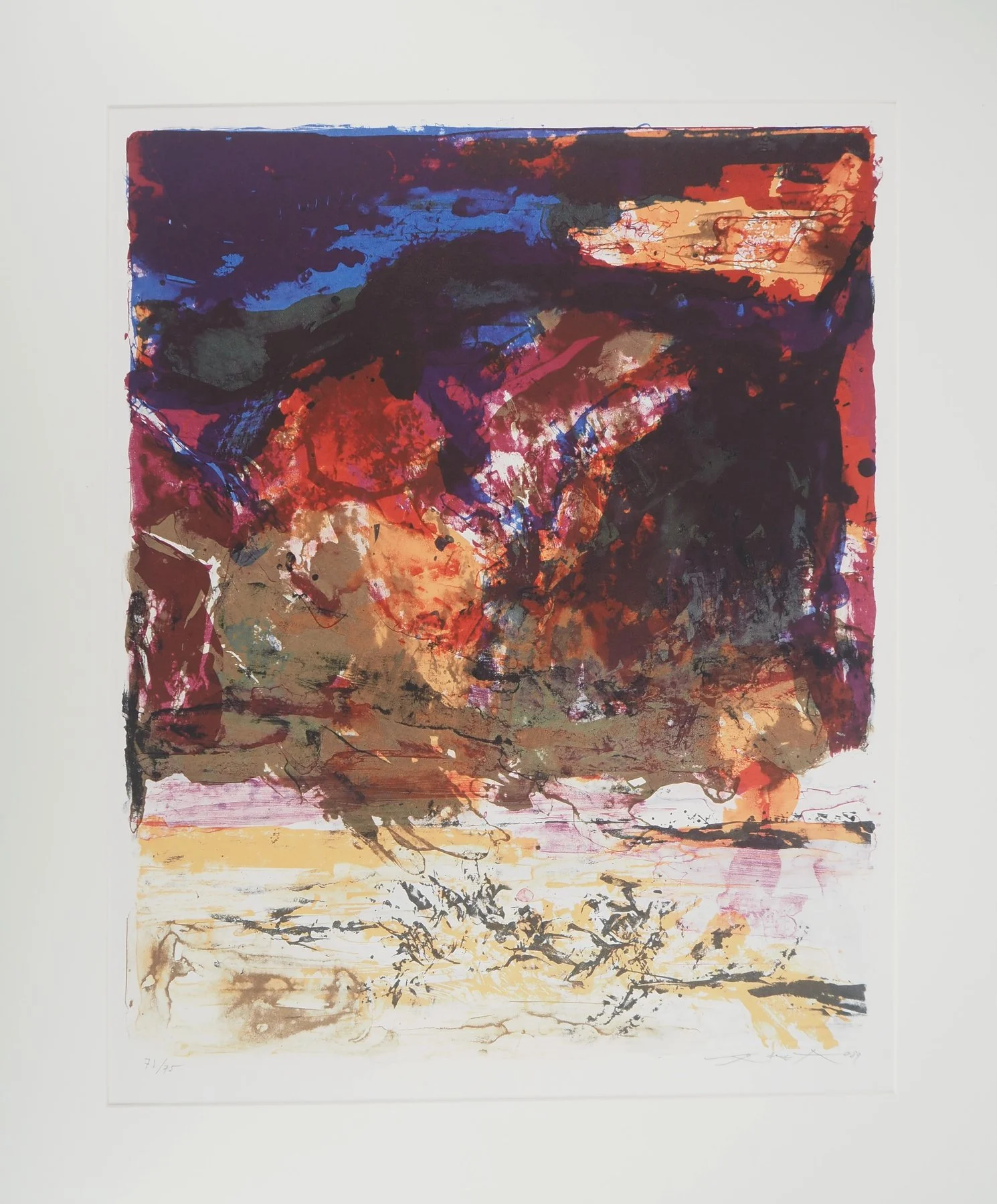
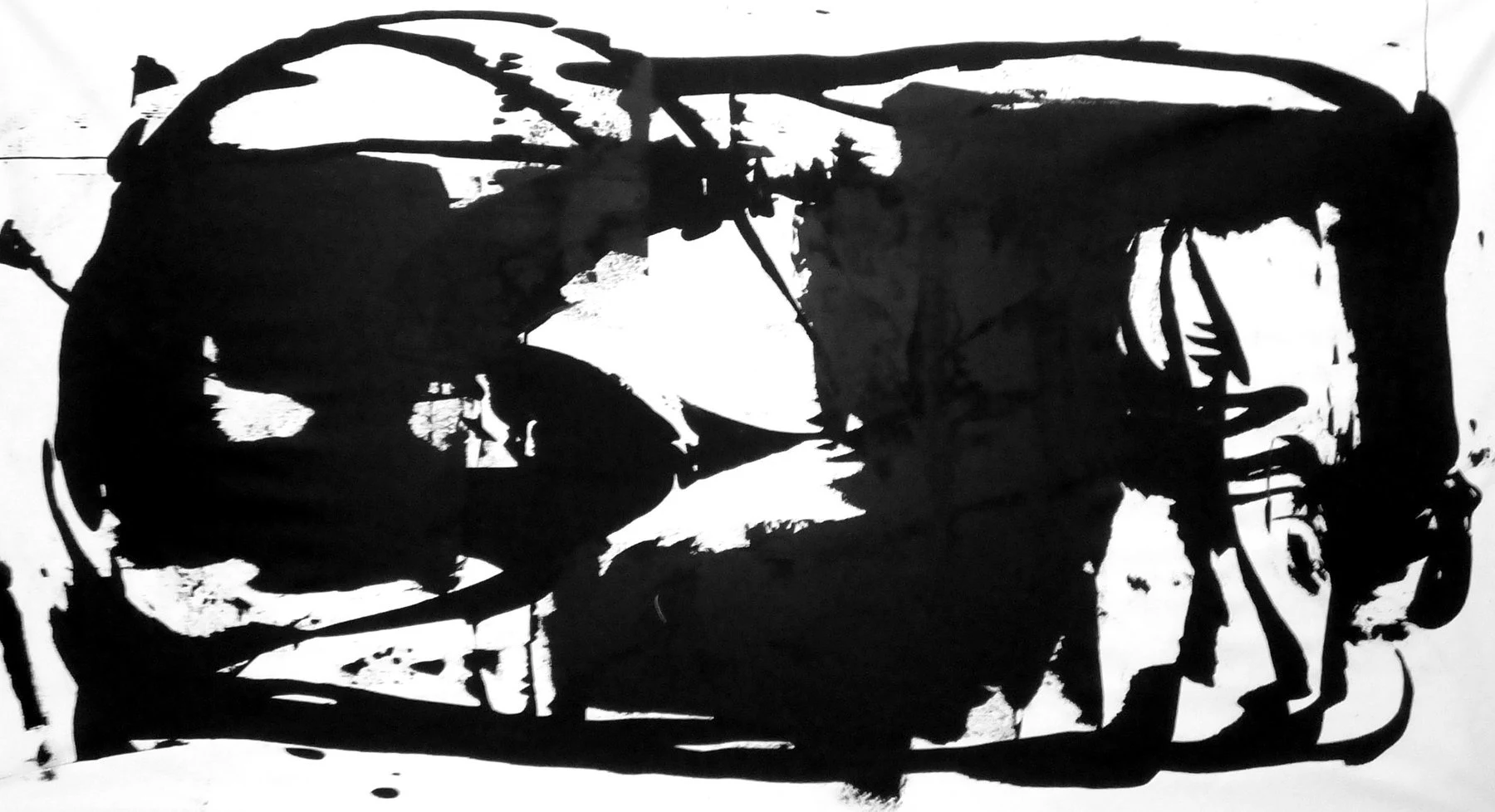
The appetite for material mastery is rising. Collectors are leaning into works that reward close looking: the weave of canvas, the breath of pigment, the precision of joinery or resin. Tactility grounds emotion, and emotion grounds commitment. In this sense, Bernard Aubertin’s elemental vocabulary of red, nails, and fire still feels fresh—an antidote to frictionless pixels. Zao Wou-Ki (赵无极) remains a benchmark for cross-cultural lyricism, where brushwork and luminosity merge into a language of time and space. Meanwhile, Takashi Murakami underscores the potency of rigorous finish aligned with shared symbols.
Material intelligence extends to contemporary sculpture and mixed media. Artists like Karl Lagasse (1981) and naor probe value and desire through charged forms—sculpted dollars, sleek resin, and pop inflections that speak directly to our consumer age. Emerging voices, including Nicole Lubbers, channel color, surface, and intimacy to reconnect viewers with presence. The market is rewarding this focus on touch, not only with prices but with patience.
Featured Works

Edition Signals and Collector Confidence
For prints and multiples, clarity fuels trust. Edition numbers, artist proofs (AP), and hors commerce (HC) are more than abbreviations—they are signals of practice and scarcity. Savvy collectors read these details alongside paper, printer, and condition, building a granular picture of value. In a market attentive to connoisseurship, edition transparency carries emotional weight; it reassures that scarcity is earned, not engineered.
Confidence grows when production is scrupulous and documentation is exact. That rigor is part of the artwork’s narrative, and it translates into long-term market stability where resources, reputation, and craft converge.
Hybrid Exhibitions, Lasting Provenance
Exhibitions are increasingly hybrid—where installation, sound, and digital elements interlace with objects. This evolution has sparked meaningful advances in provenance. Collectors now expect certificates that capture the full scope: materials, software or media formats, installation conditions, and conservation guidance. Provenance is not just a paper trail; it is a living dossier that keeps an immersive work viable over years.
Curators and galleries are refining these protocols, echoing sustainability and care. The goal is simple: to ensure today’s multisensory experiences retain integrity tomorrow. When an artwork’s context is documented and its lifecycle supported, value becomes more than a market metric; it becomes stewardship.
Pricing Logic and Context
Pricing is complex, but it is not opaque. Scale and material set baselines, yet context drives nuance: exhibition history, critical attention, collaborative reach, and the production ecosystem surrounding a work. A canvas of similar size can diverge widely in price because its story—how it was made, shown, and received—pulls value in distinct directions.
Collectors increasingly read prices as signals rather than verdicts. The most instructive comparisons are lateral: works within an artist’s practice, across a peer set with similar traction, and within mediums that share production demands. The aim is not to chase discount markers but to understand how the artwork fits into a coherent arc.
Blue-Chip Meets Emerging Momentum
Balanced collections pair institutional anchors with fresh momentum. Works by Zao Wou-Ki (赵无极) and Takashi Murakami provide cultural and technical ballast—reassuring touchpoints within a volatile market. Counterpoint these with contemporary energy: Karl Lagasse (1981) testing how images mint value in three dimensions, or naor exploring branding’s seductive mirror. Fold in emerging positions—such as Nicole Lubbers—where intimacy and surface become active agents of meaning.
This pairing is more than risk management. It enables collectors to stage conversations across eras, mediums, and publics. Blue-chip and emerging do not cancel one another; they compose a richer narrative of how culture moves.
Data, Patience, and Liquidity
Data helps, but patience matters more. Auction results, primary releases, and institutional signals provide breadcrumbs; yet the most successful acquisitions often follow longer arcs: visiting studios, revisiting works, and building rapport with galleries. Liquidity in art is different from financial markets. Listings do not guarantee exits, and quick flips erode trust. Durability grows where conviction is clear and community is cultivated.
Collectors are adopting practical rhythms: holding periods aligned with artistic trajectories, review cycles around exhibition seasons, and budgets that remain flexible for unplanned opportunities. In readouts, they look for consistency rather than spikes—steady institutional attention, coherent series development, and materials that age with grace.
Collecting with Purpose and Joy
Ultimately, trends serve a deeper aim: living with art. Purposeful collecting starts with curiosity, not with consensus. It continues with care—thoughtful display, good light, and conservation—and expands through conversation. Works that resonate emotionally tend to endure, and endurance is the quiet engine of value.
Whether you are acquiring a luminous painting, a charged sculpture, or an edition with precise signals, the contemporary market rewards attention and empathy. Trust the dialogue between mind and market, and remember that collections are not ledgers; they are lived narratives.