
Ink, Light, Infinity: Collecting Zao Wou‑Ki
Beyond the basics of value and biography, this advanced guide helps collectors read Zao Wou‑Ki’s East–West abstraction with connoisseurship in materials, prints, signatures, presentation, and patient strategy—so you can select, preserve, and live with luminous works that hold their cultural charge.
Zao Wou‑Ki’s art invites a long look. The surface is a weather system: calligraphic bursts meet atmospheric veils, and silence becomes space. For collectors ready to move beyond introductions, the question is not just “what is valuable?” but “how do I recognize, care for, and present the strongest examples?”
We’ve explored why his work commands significance and market attention; here, we extend that conversation into material intelligence, print connoisseurship, and display. Consider this your next‑level field guide to Zao Wou-Ki (赵无极), designed to deepen confidence and delight. For foundational context, revisit The Art of Zao Wou-Ki and Why It’s Highly Valuable.
Reading East‑West Abstraction
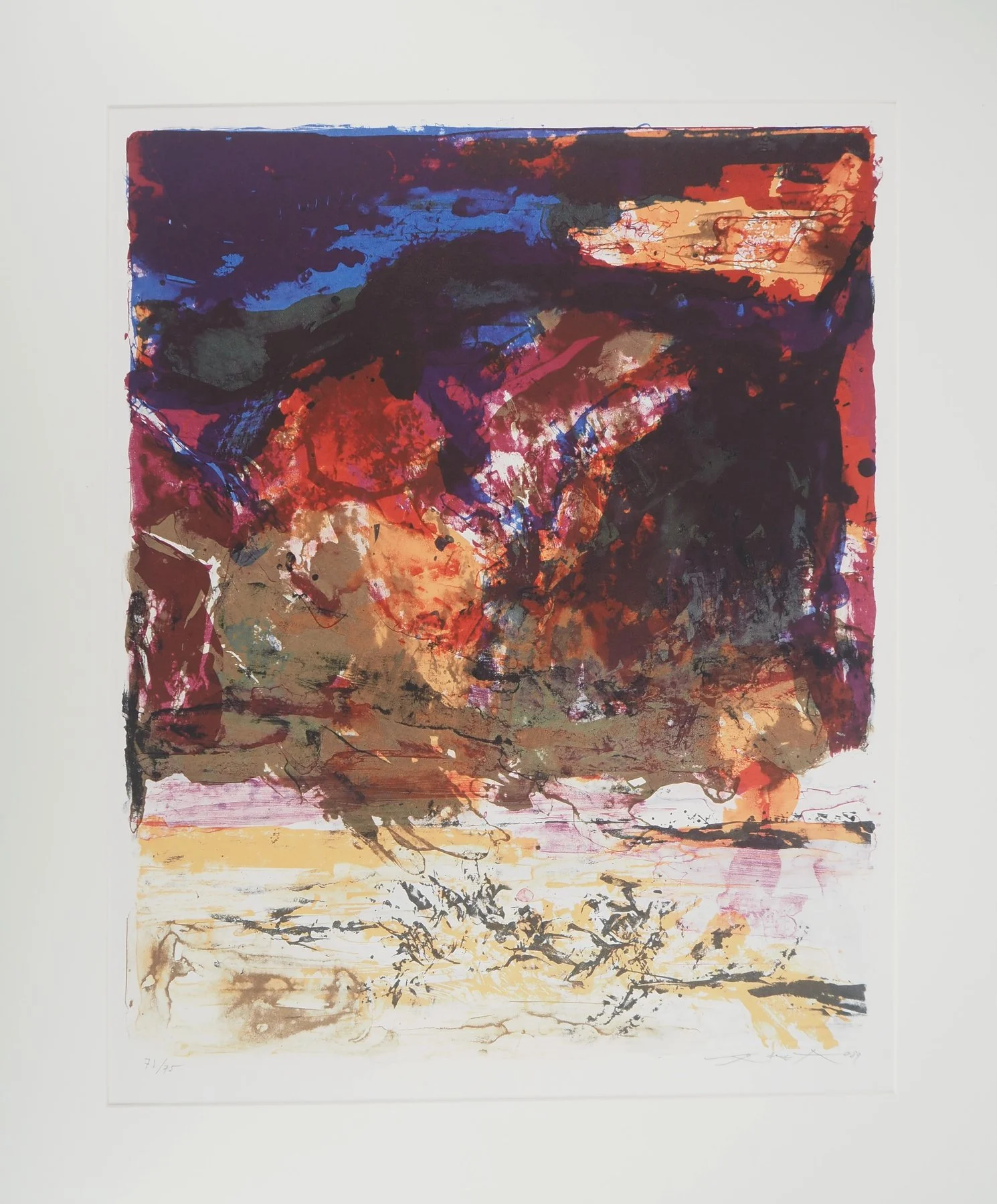
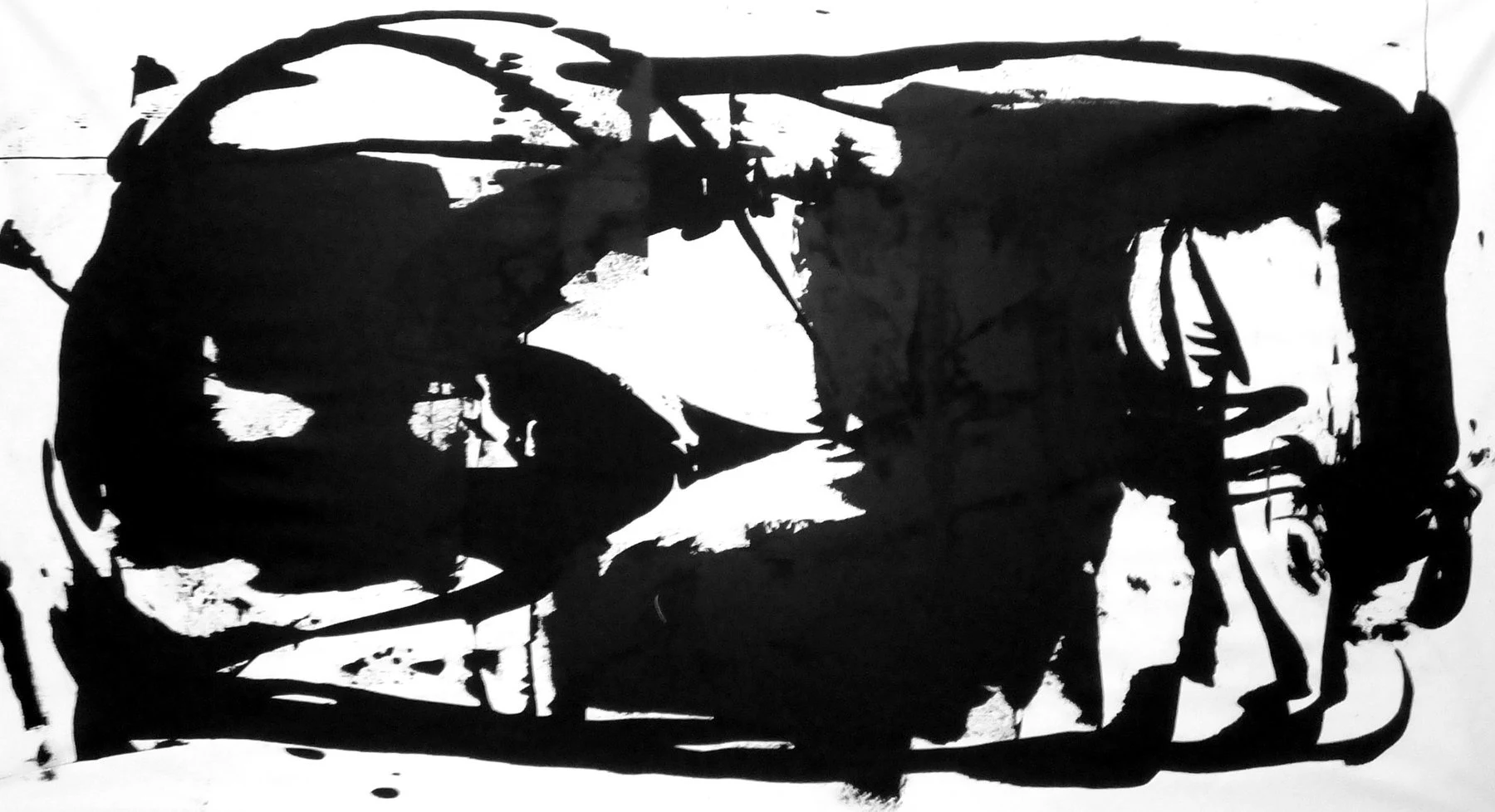
Zao’s language fuses the breath of Chinese ink traditions with the audacity of European postwar abstraction. Train your eye to trace the arc from calligraphic strike to dissolving haze. In strong works, gestures feel necessary rather than decorative; energy is condensed at a core, then radiates outward into thinning atmospheres. The “void” isn’t absence—it is an active field that carries tension and low‑frequency hum.
Spend time mapping the composition’s axes. Does the work pivot around a central turbulence, or move diagonally like a wind shift? How does your gaze accelerate, stall, and re‑enter? The best pieces choreograph this rhythm, creating a pulse that remains legible from across the room and endlessly rewarding up close.
Featured Works

Materials, Layers, Care
Whether oil on canvas or ink on paper, Zao’s effects often arise from layered transparency. In paintings, thin glazes create depth without heaviness; in works on paper, delicate washes maintain breath between fibers. Condition matters: look for clean surfaces, stable edges, and no signs of over‑cleaning. For works on paper, inspect margins for toning, foxing, or mat burn—subtle staining that can dull brightness.
Preservation is practical, not precious. Frame works on paper with UV‑filter glazing and acid‑free mounts (hinged, not glued). Keep relative humidity stable and avoid direct sun. For paintings, favor even, moderate light and leave cleaning to professionals. A small change—high‑CRI LED lighting, for instance—can reveal the full chromatic whisper without risking fade.
Prints, Signatures, Authenticity
Zao’s prints reward slow looking. Beyond the edition fraction, examine color registration (edges clean or softly breathing), ink saturation (alive, not chalky), and paper character (deckle edges, weight, and surface). Within an edition, subtle variations can occur; evaluate the individual impression you are considering, not just its number. For a refresher on how edition signals shape value, see Numbers, Scarcity, and the Print Promise.
Authenticity is a chorus of clues: typical bilingual signatures (Latin letters alongside Chinese characters) in pencil, printer’s or publisher’s blind stamps when present, and coherent provenance—receipts, labels, or catalogue references that make sense together. Ask for the exact title, technique, dimensions, and catalogue raisonné reference where available; if a work is said to be “after” Zao, treat it differently from an original print. When chine collé or unusual papers appear, confirm they match the documented variant for that edition.
Display, Light, Room Rhythm
Zao’s best works change with distance. Hang so the composition’s “breathing center” sits near eye level, and give lateral space so the energy has room to expand. Pair with furnishings that emphasize calm horizontals; avoid busy adjacency that competes with his atmospheric fields. If you group works, try a cadence: turbulence, rest, turbulence—mirroring how his paintings pulse.
Light is decisive. Warm‑neutral LEDs (around 3000–3500K) with high color rendering enrich the umbers, blues, and smoky grays without glare. Angle lighting to skim texture but not produce hotspots. For works on paper, lower lux levels extend life; for oils, even illumination preserves the continuous field Zao orchestrates.
Market Patterns, Patient Strategy
Marketwise, breadth exists—from intimate works on paper to large canvases and sought‑after prints. Strategy begins with clarity: buy the examples that most fully express his core language—coherent gesture, luminous layering, and living space—rather than chasing size alone. If prints are your entry point, aim for strong, well‑preserved impressions, then build toward paintings that echo the same internal weather.
Provenance, condition, and material intelligence drive long‑term satisfaction. Favor documented works with clean conservation histories. Align acquisitions with themes (e.g., storm‑center compositions or quieter horizons) to build a narrative that coheres on your wall and in your records. Patience pays: learn, compare, and let the right piece find you as you sharpen your eye.
A final note: Zao’s art rewards deliberate living. Give it time in your day, and let the work recalibrate your pace. Collecting becomes not only a market act but a ritual of attention—the very space his paintings and prints open for us.