
Art Collector Community Zurich Exhibitions: A Field Guide
Zurich rewards careful looking and long-term thinking. This field guide maps how exhibitions shape the city’s art collector community—covering movements, materials, and clear steps for connoisseurship in Switzerland.
Zurich’s art ecosystem thrives on precision, discretion, and sustained dialogue with objects. The city’s reputation for finance and design has an analogue in its galleries and project spaces: clarity of vision, measured presentation, and a collecting culture that prizes long horizons over quick heat. For anyone searching “art collector community zurich exhibitions,” this essay offers an informed path—how to read exhibitions, recognize durable signals in materials and movements, and participate in a community that pairs cultural depth with technical discernment.
Switzerland’s civic fabric nurtures careful stewardship. In Zurich, this translates into exhibitions that often favor legible curatorial structures and resilient craft. The best shows prompt not just immediate pleasure but also quiet, repeatable recognition: you understand why a surface works, how a method holds, and where a work sits in the historical conversation.
Zurich’s Collecting DNA
Zurich’s collector culture emerged from postwar Europe’s search for order after rupture. A preference for lucid structures, responsible provenance, and measured scarcity still shapes the city’s exhibitions and acquisitions. You will notice an emphasis on material intelligence, where the technique is not a mere means to an image but part of the image’s meaning. In such a context, minimal means—light, rhythm, monochrome, calibrated color—often carry maximum cultural weight.
This sensibility finds kinship with postwar avant-garde lineages: the European ZERO movement’s reset to light and rhythm, Minimal Art’s spare authority, and contemporary abstraction’s renewed attention to facture. Zurich’s best shows remain grounded in this continuum—neither nostalgic nor novelty-driven—where new works converse with durable postwar principles.
Art Collector Community Zurich Exhibitions
Exhibitions in Zurich function as a civic laboratory for connoisseurship. Commercial galleries stage focused propositions—compact thematic arcs, single-material studies, or dialogue shows that juxtapose postwar precedents with contemporary takes. Institutional programs frame the canon, providing context through rigorous scholarship and careful conservation installs. Independent spaces test edges and atmospheres, where process and risk remain visible.
For collectors, the rhythm of openings is only the surface. Schedule return visits, request daylight viewings, compare a work across rooms or paper types, and ask to see condition reports for works on paper. Small conversations—about pigments, binders, adhesives, or supports—often reveal the difference between objects that simply photograph well and those that will live well over decades.
Materials And Edition Literacy
Zurich’s connoisseurship starts with the hand and the substrate. Learn to parse edges, trace layers, and read pressure. For screenprints and lithographs, examine saturation, registration, paper weight, and deckle integrity; understand the logic of edition numbers and the role of printer chops. For relief or process-based objects, read fastening systems, weight distribution, and patination. For resin and composite sculptures, ask about UV stability, solvents, and mounting.
Edition clarity matters. An inscription such as 3/50 means a specific place within a declared series; AP or HC marks have histories and should be documented with prudence. For pigment prints, ask about inks, profiles, and paper permanence. For works on paper, insist on archival mats, museum glass where appropriate, and controlled humidity. Such discipline is not fussy; it is the quiet architecture of collecting in a city that values lasting craft.
Movements Shaping Zurich Taste
- ZERO and postwar renewal: Lucid reliefs, calibrated monochromes, and the play of light form a language that Zurich reads fluently. Bernard Aubertin exemplifies this clarity with red planes, nail reliefs, and fire interventions—minimal actions that reveal material behavior. - Contemporary abstraction: From atmospheric fields to assertive textures, abstraction thrives in Zurich’s rooms, aligning with the city’s appetite for process and restraint. Zao Wou-Ki (赵无极) bridges East–West sensibilities in painting and works on paper, a touchstone for collectors who value lyric rigor. - Pop and Neo-Pop: Zurich responds to crisp surfaces and cultural literacy. Takashi Murakami’s Superflat language brings saturated planes and immaculate edges; naor and Luc Mora extend pop vocabularies with contemporary palettes and materials.
Curators often sharpen these dialogues—placing postwar calm against contemporary sheen, or pairing gestural breath with engineered color. The result is a spectrum that remains legible within Zurich’s cultural temperament: precise, resonant, unsentimental.
Featured Works
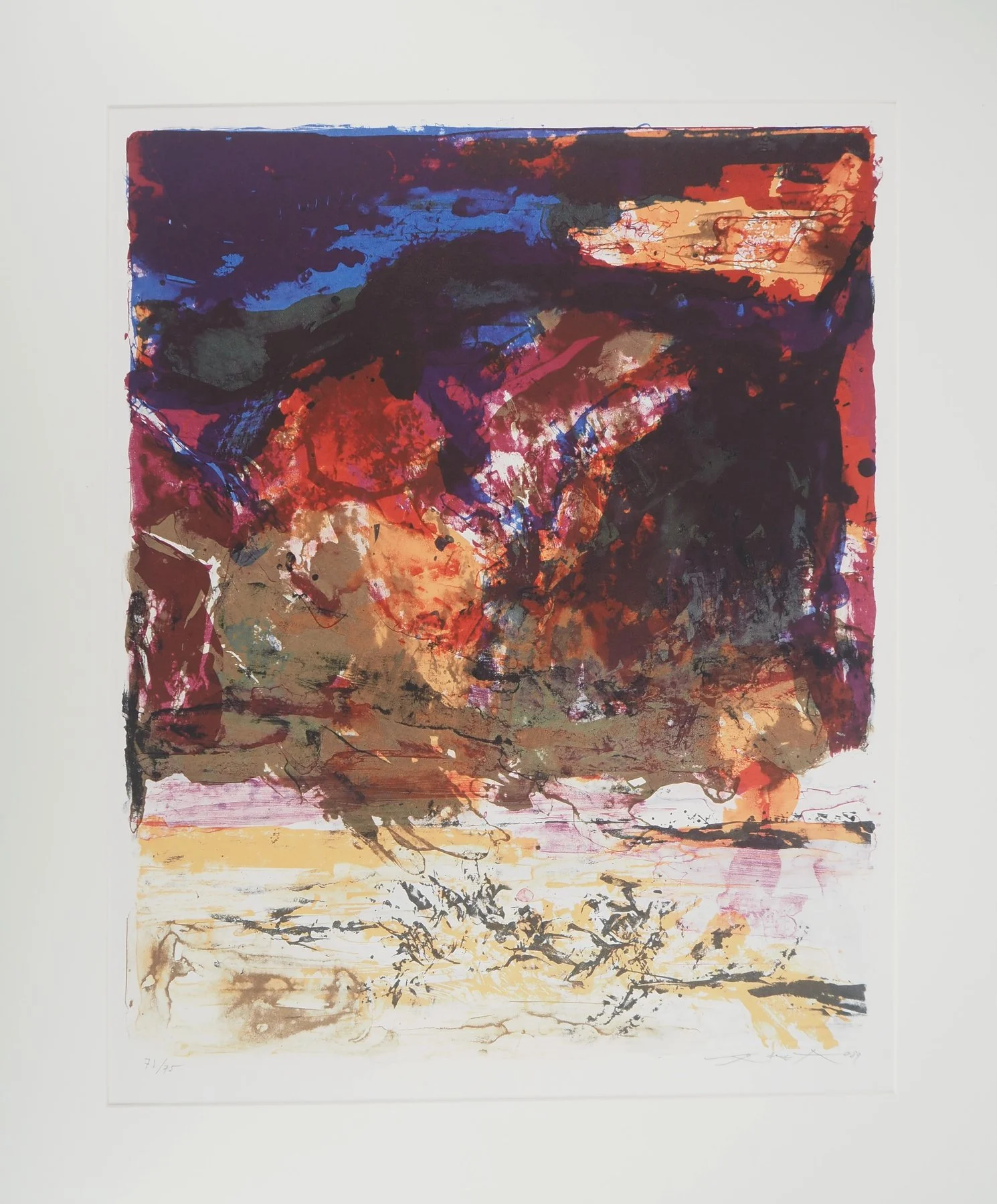
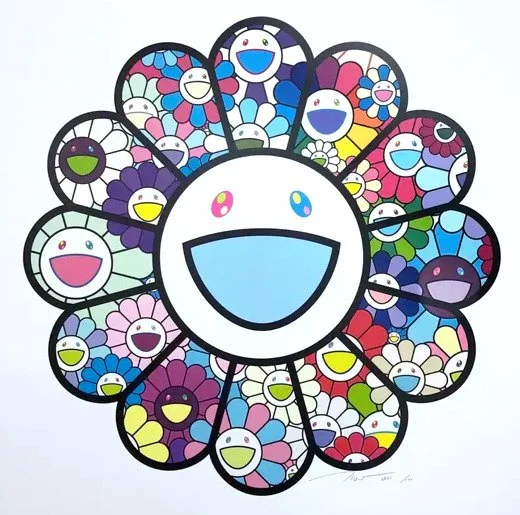

Studio Visits And Provenance
Zurich collectors often invest as much in context as in object. A studio visit—physical or virtual—can clarify the repeatability of a method and the artist’s own conservation thinking. Ask to see tools, test panels, or proofs; understand where chance ends and control begins. Provenance, meanwhile, should read like well-kept ledgers: clear ownership, exhibition history when available, and invoices that specify technique, materials, and edition logic.
Museum-catalog citations and curated group shows add ballast, but they are not the only signals. Coherent bodies of work, iterative craft, and disciplined presentation often forecast staying power more reliably than headlines. Zurich’s market rewards such patience, allowing collections to accrue meaning through method rather than momentum.
Positions For Today’s Collector
- Develop a thesis: Define a through-line—light, relief, monochrome, or saturated pop planes—and let it guide acquisitions across mediums. - Balance unique works and editions: Masterful editions extend access to rigor; choose printers and papers with care, and document every mark. - Calibrate display and care: Neutral framing, UV mitigation, and stable hanging systems are part of the aesthetic, not afterthoughts. Consider Abstract Art to study how framing supports visual calm. - Read markets slowly: Look beyond seasonality. For a disciplined framework on postwar reduction, our essay on ZERO collecting offers durable criteria: Investing in ZERO Art: Works with Potential. For broader dynamics joining craft and sentiment, see this perspective on present signals: "Signals and Sentiments".
Zurich’s advantage is the alignment of culture and craft. By reading surfaces, asking precise questions, and cultivating long relationships with galleries and artists, collectors here can steward works that feel both timely and timeless.
Conclusion
The art collector community in Zurich grows through exhibitions that privilege clarity—of method, of history, of care. Attend with patience, ask about materials before narratives, and build a collection whose internal logic is legible to you. In a city that values measured excellence, this approach is not only prudent; it is a form of quiet pleasure, renewed each time a surface answers light with intelligence.