
Contemporary Art Gallery Berlin Buy Online: A Guide
Berlin unites studio energy with rigorous galleries. This guide shows how to read materials, editions, and provenance—so you can buy contemporary art online with clarity and confidence from Berlin.
Berlin remains a city where artistic risk meets disciplined craft. For collectors, contemporary art gallery berlin buy online is not a shortcut but a new lens: precise photography, condition notes, and transparent provenance can bring the object’s intelligence to your screen without reducing its aura. The task is to read with connoisseurship—materials, editions, and context—so a digital decision still honors the work’s physical truth.
Across the city’s districts, galleries connect postwar legacies to contemporary experiment. The best online buying experiences echo a careful in‑person viewing: calibrated color, scale references, material descriptions that name the tool as much as the touch. The following guide positions Berlin‑based collectors to navigate media, movements, and signals with the same clarity that defines the city’s studio culture.
Berlin’s layered art ecology
Berlin’s art ecosystem is plural and porous. Mitte’s concentrated gallery windows, Charlottenburg’s modernist lineage, and Kreuzberg’s experimental studios form a continuous conversation that flows from exhibitions to secondary markets and back to the studio table. For buyers in Germany, this ecology matters: it anchors price formation in sustained discourse rather than trend alone, giving online decisions a bedrock of context.
Historically, Berlin has absorbed international movements and returned them with sharpened edges—Minimal and ZERO‑adjacent reductive practices alongside an agile Pop and Neo‑Pop vocabulary. Museum shows, artist‑run spaces, and disciplined commercial programs collectively shape the city’s eye. When you acquire online, lean on this ecology: ask how a work relates to a curatorial throughline, to materials taught in studios, and to dialogues between postwar clarity and contemporary play.
Materials, editions, and signals
Material intelligence is the collector’s true filter. Oils polymerize into supple films and age differently from fast‑drying acrylics; aluminum substrates resist humidity better than wood; high‑frequency pigments may glow, but can be light‑sensitive. A reliable gallery listing names the support (canvas, panel, paper, metal), medium (oil, acrylic, ink, graphite), and technical method (impasto knife, poured stain, screenprint pull). When editions appear, you should see numbering conventions, plate or screen details, and clear signature placement.
For Pop and Neo‑Pop silkscreens, precision is the soul of the image: line fidelity, dense floods, and clean pull marks distinguish a top‑tier impression. If this is your field of interest, deepen your reading of inks, meshes, and condition considerations with Pull, Flood, Repeat: Silkscreen Craft in Pop Art. For abstract painting, look for coherent surface rhythm: does the layering register as a sequence of decisions, not decoration? In both cases, edition clarity and material candor are non‑negotiable signals.
Market signals in Berlin are subtle rather than loud. Exhibition cadence, coherent series development, and careful placement in collections often predict durable value better than sudden social spikes. A measured overview of how emotion and rigor meet in today’s collecting climate can be found in "Signals and Sentiments". Let those insights guide how you weigh scarcity, craft, and cultural resonance online.
Postwar lineages, Berlin perspectives
Postwar Europe sought a visual reset—light, rhythm, and elemental means. Within this arc, ZERO‑aligned work still feels uncannily current in Berlin’s studios: reduction without austerity, tactility without expressionist excess. Bernard Aubertin distilled red monochrome, nails, and fire into an exacting language that today’s material‑minded painters continue to study. In parallel, Contemporary Abstraction privileges process and surface intelligence—qualities visible even in a well‑shot JPEG when you know what to watch.
Pop and Neo‑Pop endure because Berlin’s audience reads images both critically and playfully. Takashi Murakami compresses high and low into crisp planes; naor and Karl Lagasse (1981) test how branding and desire sculpt form; Henry Escobar treats matter as protagonist within contemporary abstraction. Online, these lineages invite a dual reading: art‑historical placement and present‑tense execution.
Featured Works
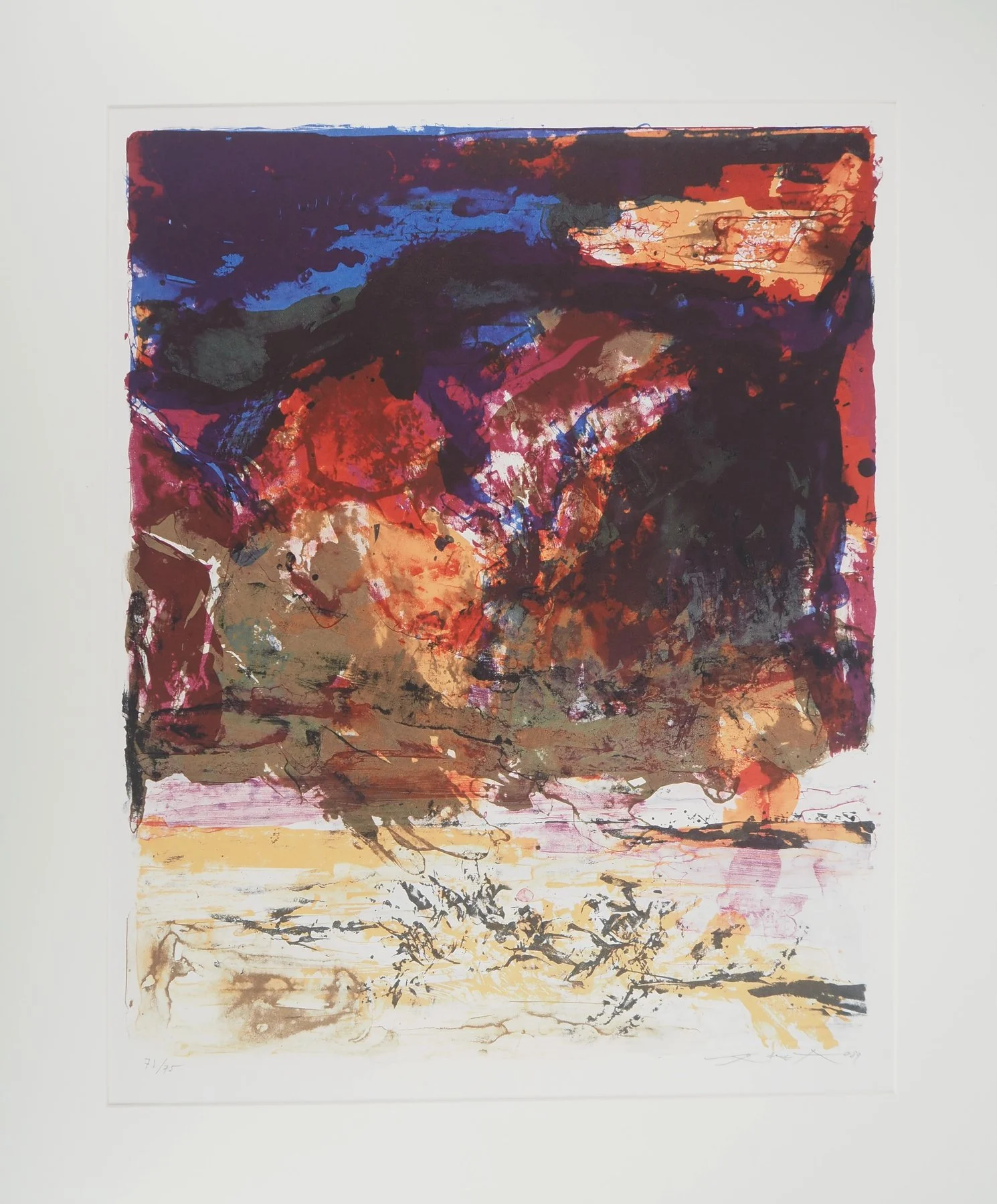

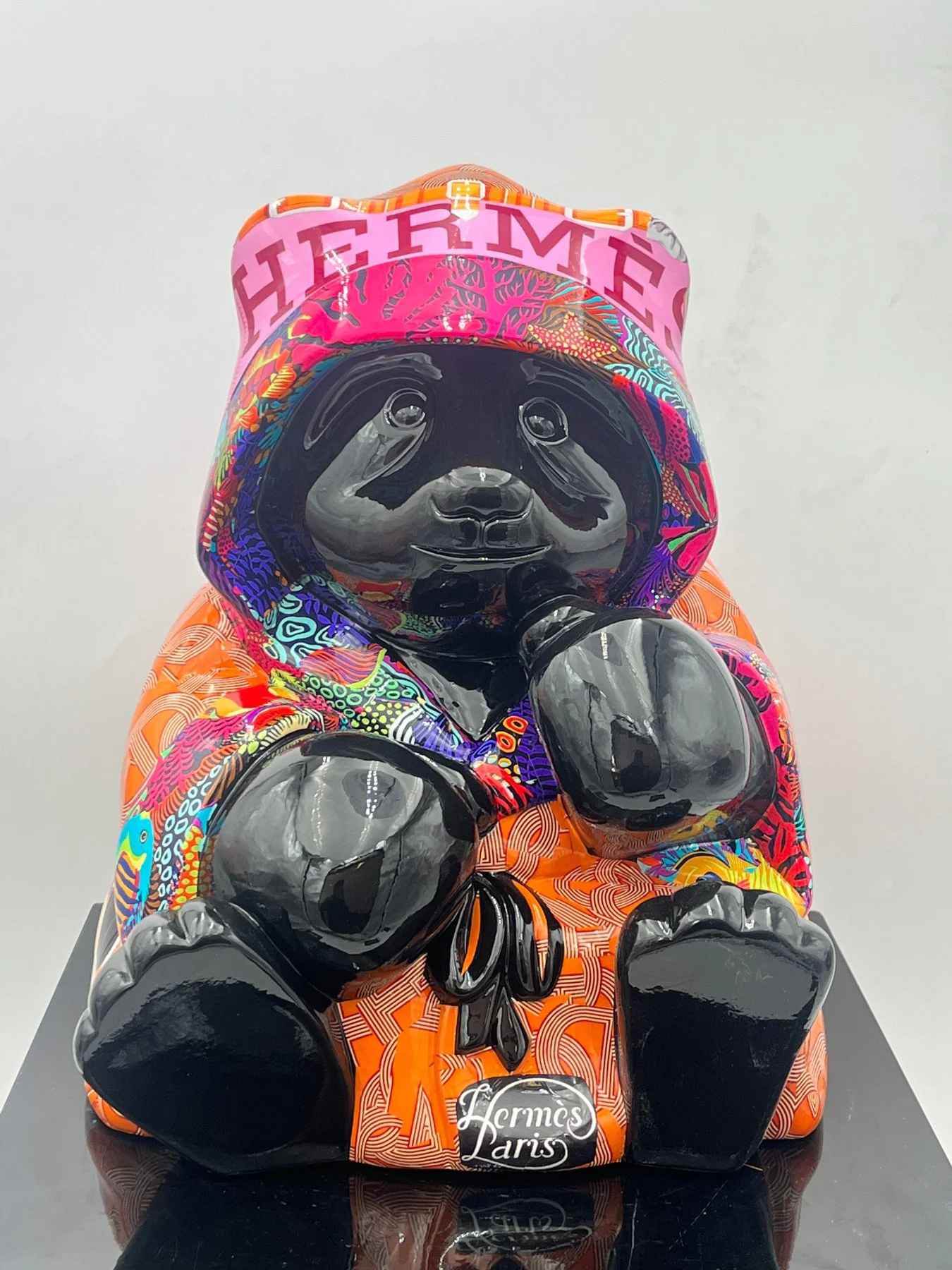
Reading surfaces, assessing condition
Condition is not a footnote; it is part of meaning. For paintings, read gloss variances that indicate later retouches, inspect edges for handling marks, and look closely at craquelure: age‑consistent networks may be natural; lifting or cupping demands conservation dialogue. For screenprints, review scuffing in solid floods, edge wear, waviness from humidity, and any sun‑fade; check that numbering, title, and signature match stated edition logic.
High‑resolution photography should include raking light to reveal relief and toolpaths, recto‑verso images for paper works, and scale shots with a neutral gray card. Ask for condition reports that separate artist‑intended irregularities (e.g., singe marks in a fire drawing, nail heads in a relief) from damage. Framing matters: acid‑free hinges, UV‑filtering glazing for works on paper, and float methods that respect deckle edges signal long‑term care.
contemporary art gallery berlin buy online
To contemporary art gallery berlin buy online with confidence, treat the page like a viewing room—slowly. Verify dimensions against your space; study material notes; request detail images under different light. Provenance should be plain: primary market or secondary, with dates of acquisition and, where relevant, exhibition or publication references. Certificates of authenticity are useful when they complement—not replace—clear signatures, edition marks, and gallery invoices.
Shipping within Germany should include professional packing, temperature‑aware transit planning, and insurance that matches invoiced value. For cross‑border acquisitions within the EU, confirm how VAT is handled. Digital tools can aid discernment: augmented scale visualizations, calibrated color profiles, and tailored light simulations help anticipate how a surface will live at home. Above all, keep the conversation human—ask questions, request additional images, and invite material explanations that match a museum checklist.
Building a Berlin‑rooted collection
A Berlin‑rooted collection favors clarity over accumulation. Start with a curatorial spine: perhaps postwar reduction meeting contemporary surface intelligence. Combine a ZERO‑aligned relief or monochrome with a decisive abstract work where layering and restraint listen to each other. If pop languages speak to you, counter a saturated screenprint with a materially rich painting to balance image currency with tactile rigor. Browsing by movement can help you tune your eye—for instance, explore Abstract Art to compare chromatic and structural strategies across makers.
Pace matters. Let one work teach you how to see the next. Keep notes on materials and edition signals you find persuasive; revisit them six months later with fresh eyes. As your criteria sharpen, online buying becomes not a compromise but a continuation of Berlin’s core ethos: an uncompromising attention to how ideas become matter, and how matter becomes meaning.
Conclusion
Berlin’s market rewards patience, precision, and curiosity. When you bring those virtues to online acquisitions, the screen becomes a lens rather than a veil. Read materials with care, test edition logic, and place each work within a clear lineage—postwar reduction, contemporary abstraction, or lucid pop. Do this, and collecting from Berlin’s galleries online becomes a steady practice: considered, grounded, and deeply alive at home.