
Zero Heat: Bernard Aubertin’s Radical Calm
Bernard Aubertin’s art sits at the heart of the European ZERO movement, where reduction, light, and material clarity redefined postwar art. This bilingual guide helps collectors read Aubertin’s red monochromes, nail reliefs, and fire drawings with connoisseurship—covering technique, condition, framing, and provenance.
The ZERO movement emerged as a reset—a calm after the storm of mid‑century upheaval—seeking a fresh visual language built from light, rhythm, and disciplined restraint. Within this ethos, Bernard Aubertin carved an elemental path. His red monochromes, nail reliefs, and fire works replace expressive gesture with process, ritual, and material presence.
For viewers, Aubertin’s art feels both austere and alive. The surfaces appear quiet, yet they vibrate: nail heads catch light, red pulses like a heartbeat, and burn marks register time. Collectors often discover that what first seems minimal reveals deep craftsmanship and philosophy when seen up close and lived with over years.
What Zero Stood For
ZERO advanced a shared pursuit of beginnings—stripping away subject matter and narrative to focus on light, movement, and purity of surface. Rather than paint stories, artists explored how materials behave and how perception changes with position and time. Monochrome grounds, serial structures, and calibrated repetition were common tools.
In practice, that meant art activated by the viewer’s gaze. A relief might seem flat until you walk around it; then light turns nails into pixels. A field of red becomes spatial when you recognize edges, shadows, and the micro‑topography of paint. This experience—of seeing slowly—is central to ZERO and essential to appreciating Aubertin.
Aubertin’s Elemental Vocabulary
Aubertin’s language is famously concise: red, nails, and fire. Red monochromes embody intensity without figuration—red as energy, danger, devotion. Nail reliefs introduce rhythm, structure, and reflection. Fire drawings and burn works capture the trace of flame: soot, scorch, and fleeting light transmuted into image.
What matters is not spectacle but control. Nails are driven in patterns that read like scores; combustion is guided, not random. The result is a tension between ritual and risk: hammering is measured, fire is channeled. This discipline aligns Aubertin closely with ZERO’s core ambitions—material truth and optical vitality. For an in‑depth look at his fire technique and care, see Lines of Flame: Collecting Aubertin’s Fire Drawings.
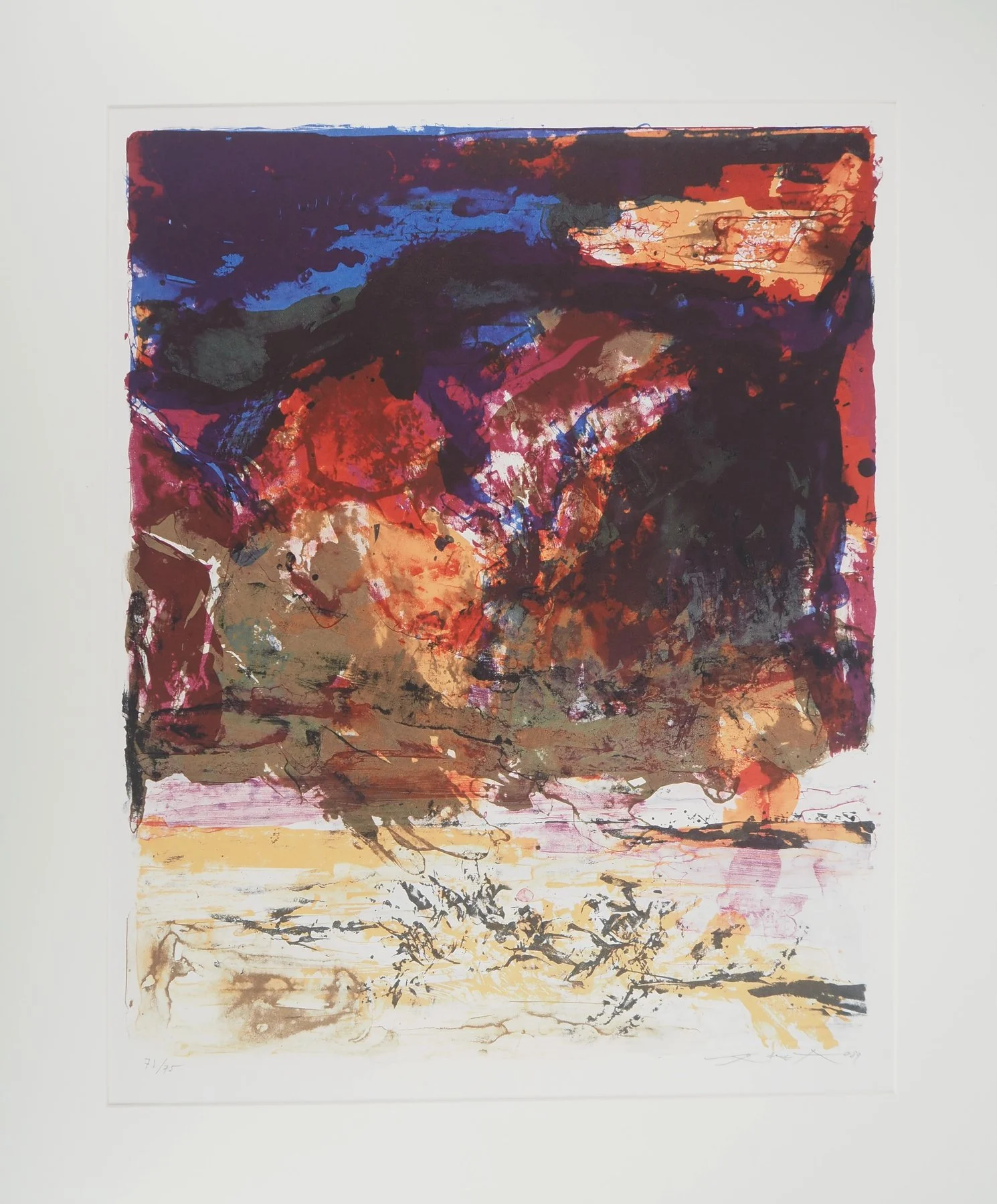
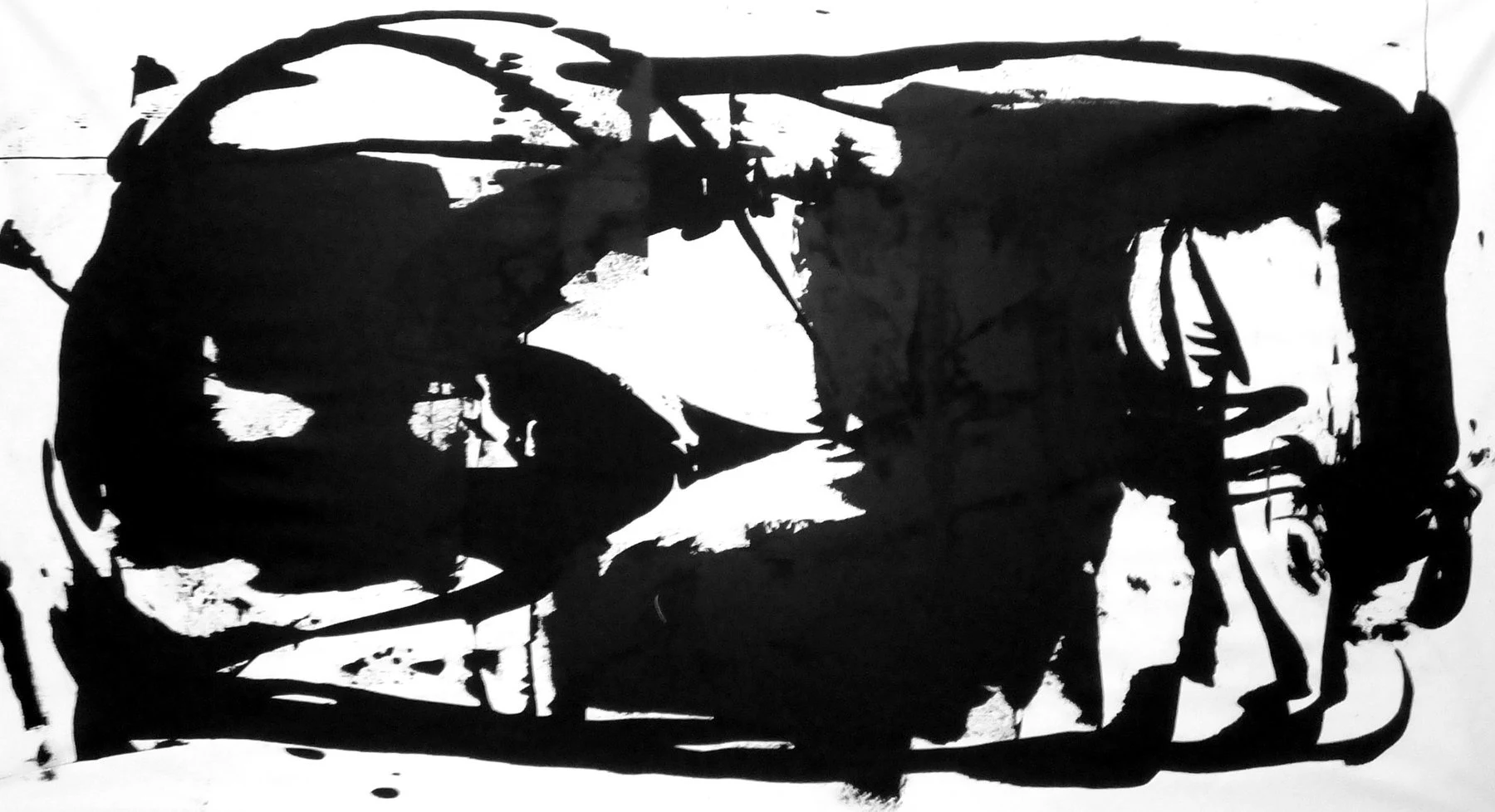
Featured Works

Reading Materials And Techniques
Begin with surface. In red works, observe how paint sits—matte or satin—and whether the layer is uniform. Subtle variations may be intentional, creating optical tremor. In nail reliefs, look for alignment, density, and the angle of each nail head; these variables shape how light scatters. Consistency signals control; irregularity may be part of the composition but should be read as a deliberate rhythm rather than damage.
Fire drawings demand close attention. Soot deposits are delicate and easily smudged; scorch marks can range from pale singe to deeper caramelization of paper. Authentic fire works often display micro‑patterns where flame licked and withdrew, leaving a legible “breath” of heat. Edges of paper should be inspected for brittleness; gentle handling and professional framing are critical.
Condition, Framing, Conservation
Aubertin’s materials invite careful stewardship. For red monochromes, protect from direct sunlight to preserve pigment and binder. Use UV‑filter glazing if the work is under glass. For nail reliefs, consider shadow‑box framing or deep spacers to prevent contact with the surface; avoid humid environments that could encourage oxidation.
Fire drawings are among the most fragile. Opt for museum‑grade glazing, spacers, and archival mounts. Keep works away from heat sources and fluctuating humidity, which can embrittle paper and disturb soot. Never attempt surface cleaning yourself; even light dusting can lift soot or alter scorch tonality. A conservator can advise on microclimate framing to stabilize sensitive works.
Market Signals And Provenance
Collectors should prioritize provenance clarity and material integrity. Look for documented series type (red monochrome, nail, fire) and reputable sources. Certificates, gallery invoices, and catalog references build confidence. Read edition language carefully where relevant; many works are unique, while some series may include variations.
Value often aligns with material mastery: disciplined nail reliefs with strong optical response, red works with stable, luminous surfaces, and fire pieces with legible, intentional burn marks. Rarity, technique maturity, and condition are core signals. For broader context on Aubertin’s relevance today, see Red Alchemy: Bernard Aubertin Today.
Collecting With Intent
Build a focused narrative. A small ensemble—one red, one nail relief, one fire drawing—can articulate Aubertin’s elemental range. Place works where light shifts across the day but avoid direct sun; let the pieces breathe optically without environmental stress. Consider contrast pairings: a calm red beside a rhythmic nail panel can heighten both.
Above all, practice slow looking. Aubertin’s ZERO ethos rewards patience: surfaces reveal themselves over time, and subtle variations become the heartbeat of the work. Collectors who honor craft, care, and presence will find these pieces deepen in meaning—and maintain their cultural charge—year after year.