
Buy Art Zurich Gallery Contemporary: A Collector’s Guide
Zurich’s collectors value clarity, craft, and cultural continuity. This guide explains how to buy contemporary art in Zurich’s galleries—reading materials, movements, and editions with confidence.
Zurich welcomes close looking. For those seeking to buy art zurich gallery contemporary, the city offers a calibrated blend of precision and pulse: discreet spaces, rigorous craft, and a collector culture that prizes clarity over noise. This guide traces how to read movements that matter, evaluate materials with confidence, and navigate editions and provenance—so choices align with both the mind and the eye.
Zurich’s modern sensibility—clean lines, measured light, and a respect for craft—meets a living history of experimentation. From early avant‑gardes to the postwar reset and today’s polyglot pop, the city’s galleries sustain a conversation between order and invention. For collectors in Switzerland, the question is not only what to acquire, but how to see: how to match technique with temperament, surface with structure, and cultural resonance with long-term care.
Zurich’s layered art ecology
Zurich’s ecosystem thrives on balance. Tight-knit gallery neighborhoods host a spectrum from postwar masters to emerging voices, while artist-run initiatives and project spaces test new formats. The rhythm of the Swiss art calendar—anchored by international fairs within reach—brings external energy without eclipsing a local preference for careful dialogue and material intelligence.
Historically, Zurich’s contribution to modern art lies in its permission to reset. The city’s ethos—attentive to structure yet open to rupture—made it fertile ground for postwar minimal vocabularies and conceptual rigour. This legacy continues in contemporary rooms where reduction, rhythm, and lucidity are read not as austerity, but as generosity: space given back to the viewer, light returned to the work.
Buy art zurich gallery contemporary
Approach the gallery as a studio‑adjacent site of knowledge. Ask to see the back; works reveal themselves under neutral light. Request process notes and, for works on paper or editions, a condition report. For prints, verify edition size, printer, paper, inks, and any hand additions; for paintings and mixed media, ask about grounds, binders, varnishes, and structural supports. Precision in materials echoes precision in value.
In Switzerland, consider the pragmatics: shipping temperatures across seasons, customs if acquiring cross‑border, and long‑term framing standards. Favor clarity of paperwork—invoice details, artist CV, and provenance trail. Zurich galleries typically provide well‑kept documentation; align that care with your own records, including high‑resolution photographs of fronts, backs, and signatures.
Materials and techniques to prioritize
Material literacy anchors connoisseurship. In contemporary painting, seek disciplined grounds (acrylic gesso, oil‑compatible primers), stable binders, and thoughtful layer sequencing. Acrylics afford chromatic brightness and flexibility; oils deliver optical depth through glazing. Mixed media—graphite, metal leaf, resins—demand a conversation about archival compatibility and UV stability. For works incorporating industrial elements, ask about corrosion control and fixatives.
Editioned works require special focus. Silkscreens remain the heartbeat of contemporary pop for their crisp edges and saturated planes; understanding mesh counts, squeegee pressure, and registration sharpens your eye. Our in‑depth guide on silkscreen craft illuminates how technique becomes value Pull, Flood, Repeat: Silkscreen Craft in Pop Art. When browsing works on paper, compare fibers, weights, and deckles; archival mats and UV glazing are non‑negotiable in Zurich’s bright interiors. For further orientation across mediums, explore Lithographs.
Movements shaping Zurich taste
Contemporary abstraction carries particular resonance here—lucid color, measured rhythm, and tactile surfaces that invite sustained looking. Minimal and ZERO‑adjacent practices—calm, precise, often luminous—align with Switzerland’s architectural clarity and disciplined craft. Pop and neo‑pop inject counterpoint: high‑chromatic imagery and cultural symbols that reflect a media‑literate urban life.
For postwar reduction and the language of light, the ZERO lineage offers a durable compass. Works that articulate light through serial reliefs, elemental color, and material ritual read with authority in Zurich’s restrained interiors. For a deep dive into reading quality and value signals in this field, see the curated essay on collecting with insight, not impulse Investing in ZERO Art: Works with Potential. If your eye gravitates toward color‑driven abstraction or pop clarity, consider mapping your interests via Abstract Art and a measured look at contemporary pop categories.
Artists to watch in Switzerland
Collectors in Zurich often build a dialogue across time—postwar anchors beside present voices—so the home becomes a conversation, not a chronology. Within that frame, a few touchstones from our program are instructive in technique and cultural charge.
Bernard Aubertin forged a radical, elemental vocabulary of red monochrome, nails, and fire. The works’ power resides in disciplined repetition and material transformation—hammered relief as light instrument, flame as drawing tool. Read nail regularity, paint veils, soot clarity, and panel stability. Surfaces should feel precise yet living.
Zao Wou-Ki (赵无极) unites ink’s breath with oil’s expanse. Works on paper and prints balance fluid gestures with controlled densities; look for crisp platemarks, even inking, and unabraded paper fibers at the edges. In painting, glazes create spatial depth; conservation‑minded varnish and stable stretchers support longevity.
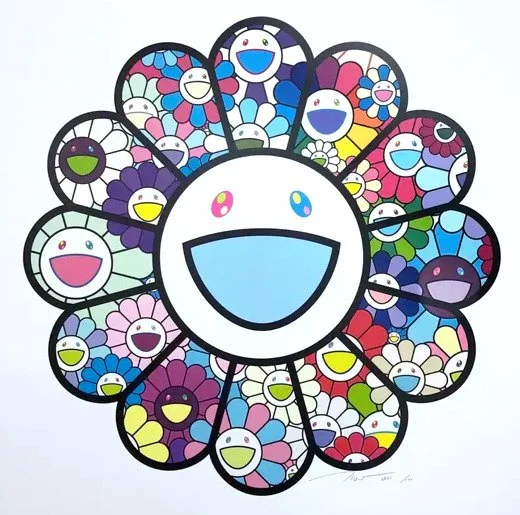
Takashi Murakami articulates Superflat clarity—razor contours, lacquered finishes, cultural icons distilled to flawless surfaces. Editioned works hinge on registration, color uniformity, and paper quality; sculptural or mixed‑media pieces require attention to coatings and hardware.
naor stages the push‑pull between luxury signaling and personal desire through resin and crisp chroma. Evaluate casting quality, pigment saturation, and mounting systems. Karl Lagasse (1981) translates the currency icon into tactile relief; inspect structural joins and surface coatings for even sheen and protection.
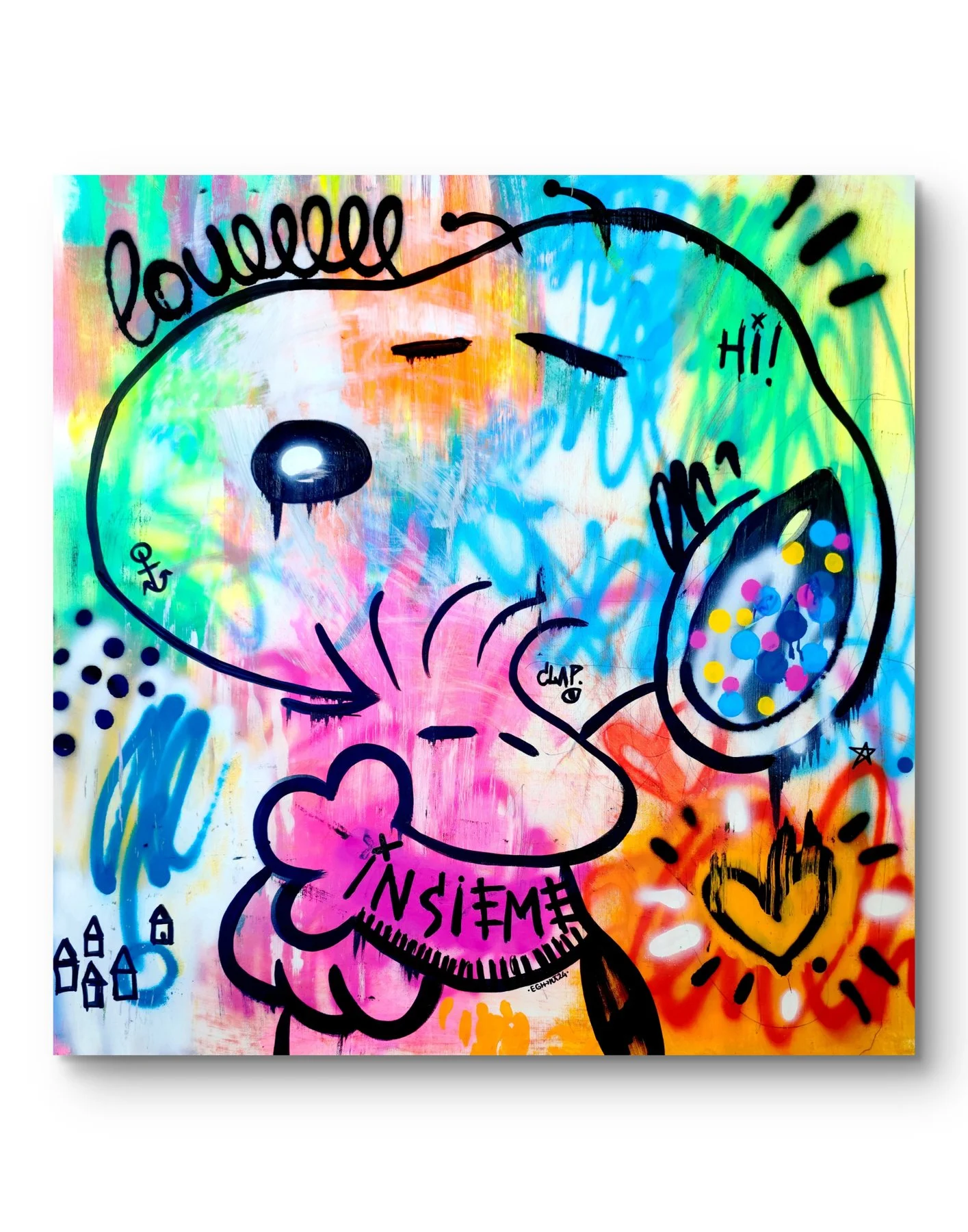
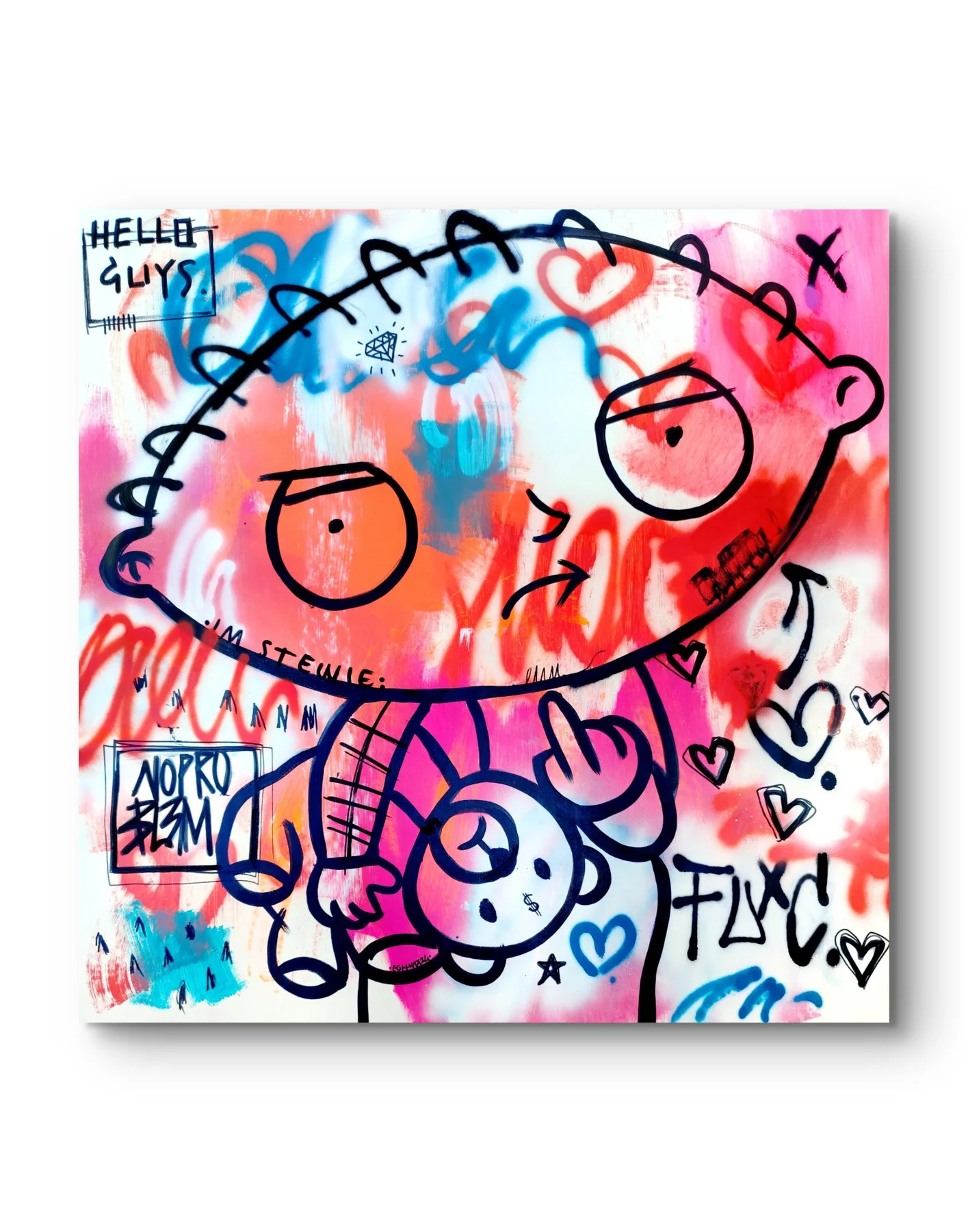
Henry Escobar pursues contemporary abstraction as material event—pigments, textures, and layered processes that slow the gaze. Seek integrity in adhesion, absence of cupping or cracking, and a coherent physical rhythm. For pop‑inflected color narratives, Luc Mora extends a vivid dialogue with image and surface; prioritize crisp edges, stable supports, and UV‑conscious presentation.
Featured Works
Collecting strategies and ethics
Zurich’s collector culture values discretion, research, and sustained relationships. Build with patience: revisit works, compare quality across series, and ask galleries to share studio insights. Provenance should be lucid, framing reversible, and installation robust. For editions, request the colophon details and confirm any artist’s proofs or hors commerce impressions are documented distinctly from the main run.
Climate care matters. Alpine winters and heated interiors can lower humidity; works on paper prefer stable microclimates, archival mats, and UV glazing. Avoid direct sunlight for pigment stability—especially fluorescent inks and delicate glazes. For sculptures and mixed media, consider vibration, surface abrasion, and temperature transitions; consult installers about safe anchors and load paths. A considered home for the work is part of the work’s meaning.
Finally, align ethics with aesthetics. Engage with galleries that articulate artists’ processes clearly, respect edition integrity, and provide transparent pricing. Collections become public in how they are kept: framing choices, loan histories, and condition stewardship tell a story as eloquent as labels. Zurich’s rigor, when paired with curiosity, yields collections that feel inevitable, not opportunistic.
Conclusion
To buy art in Zurich’s contemporary galleries is to join a living discipline: reading surfaces with patience, valuing materials for what they do as much as what they depict, and trusting relationships that grow over years. Whether your eye rests in the lucid calm of postwar reduction or the bright charge of pop, let technique be your advocate and documentation your ally. With clarity of purpose and care, a Zurich collection becomes not an inventory, but a luminous sequence of decisions—each one articulated, each one alive.