
Buy Original Art Online Gallery Guide
What does it mean to buy original art online from a gallery with connoisseurship, not guesswork? This guide translates materials, editions, and provenance into clear steps—so you select works whose craft and context endure beyond the screen.
Introduction Many collectors search “buy original art online gallery” and meet a maze of images, claims, and edition numbers. For a purchase to carry weight—emotionally and culturally—clarity in materials, technique, and provenance matters more than the algorithm. This guide offers a curator’s lens for navigating online gallery contexts with precision and calm.
Postwar and contemporary art were built on material intelligence—from the ZERO movement’s lucid reductions to contemporary abstraction’s chromatic field and Neo‑Pop’s crisp surfaces. Buying online can honor that lineage if we translate screen‑based viewing into tactile understanding: how a work was made, what signals scarcity, and how condition and framing will shape a lifetime of looking.
From salon to screen Galleries once mediated discovery through rooms and conversation; now high‑resolution images and short videos extend that dialogue. The shift is not a loss but a demand for better seeing: raking‑light photos to read relief, macro details to assess edges, and installation views to gauge scale. These tools echo the postwar avant‑garde’s pursuit of clarity—surface laid bare, process legible.
The screen also reframes connoisseurship. Where museums teach us to read brush, pressure, and rhythm in person, online buyers learn to ask for process documentation, edition details, and conservation notes. Precision questions form a new etiquette: What is the support? How are edges finished? How is the work signed and documented? Trust is built in the quality of these answers.
Materials, proof, and presence Technique is the primary text. In contemporary painting, ground preparation, pigment load, and binder sheen determine how color holds light. In relief works or ZERO‑aligned practices, micro‑topographies catch illumination, turning surfaces into instruments of time. For works on paper, fiber content (cotton rag vs. wood pulp) predicts longevity.
Editioned prints are original artworks when conceived as such; their authorship is embedded in the technique. Screenprints, etchings, and lithographs each leave specific traces—mesh patterning or plate embossments—that you can learn to identify in stills or angled videos. Seek edition fractions, printer chops, signatures, and titles in pencil; request verso photos for full context. For deeper craft reading of screenprints, see Pull, Flood, Repeat: Silkscreen Craft in Pop Art and explore Lithographs to compare processes.
Condition is a discipline, not a footnote. UV exposure shifts dyes; humidity ripples supports; careless framing traps acidity. An online listing should state any restorations, abrasions, or mounting history, alongside framing specs (mats, glazing type). Crisp documentation signals care—and care travels with the work.
Movements guide online reading Understanding movements calibrates expectations. ZERO sought a reset to light, rhythm, and material clarity. Works by Bernard Aubertin or other ZERO figures reward scrutiny of surface incident: the regularity of nails, the optical pulse of a monochrome’s relief. In contemporary abstraction, chromatic structures and layering logics matter; look for decisive gesture versus additive haze, and ask for oblique‑light images to parse depth.
Neo‑Pop and Superflat invite another register: immaculate edges, saturated planes, cultural citation. Takashi Murakami’s works balance industrial finish with rigorous printcraft; edge fidelity and color density are part of value. Sculptural Pop languages, as seen in Karl Lagasse (1981) or naor, hinge on material exactitude—resin clarity, surface polish, structural integrity—details you can inspect through macro and studio shots.
Material‑first contemporary practices, exemplified by Henry Escobar, stage matter as subject. Reading those works online means tracing binders, aggregates, drying regimes, and the way light skims textures. For a wider market frame on why these signals resonate now, see Signals and Sentiments: Trends Shaping Collecting Now.
Featured Works
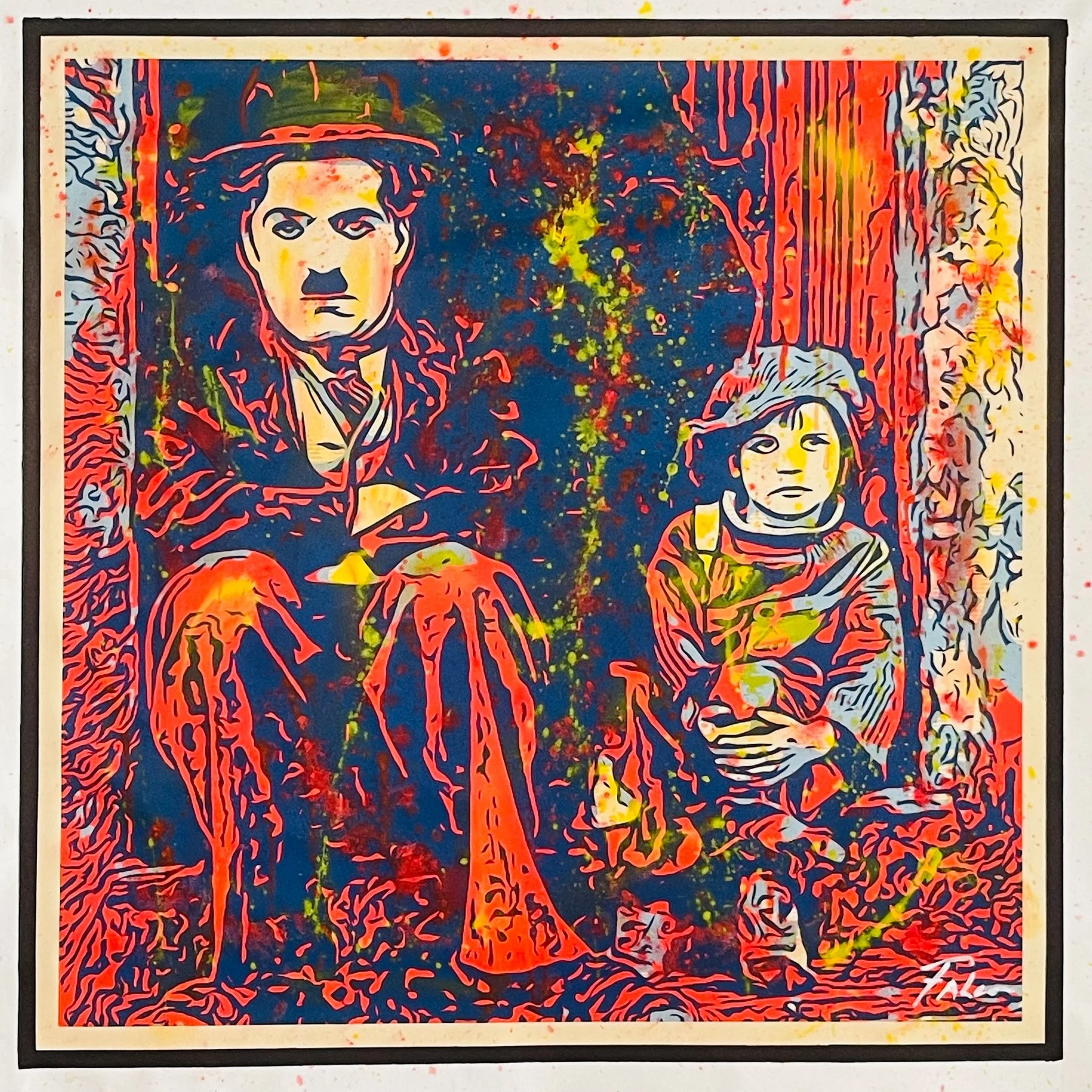


Editions signal scarcity Edition logic underwrites confidence. The fraction 12/50 is not a simple number; it encodes a social contract of scarcity, the discipline of a print studio, and a price architecture that should rise with demand and depletion. Learn the ecosystem: standard numbers, artist’s proofs (AP), hors commerce (HC), printer’s proofs (PP), and how portfolios or variants relate.
Match numbers across the sheet, certificate, and any publisher records. For processes like etching or lithography, plate wear over a long run can subtly soften lines; for screenprints, later pulls may exhibit minute registration shifts. Asking for detail images of a low edition number versus a higher one in the same series can train your eye—online connoisseurship through comparison.
Price, provenance, trust Price is not only size and fame; it’s also process complexity, edition scarcity, and exhibition or publication history. A lucid listing aligns these factors with condition and framing. Provenance should be concrete: gallery invoices, publisher documentation, and, where relevant, certificates. Avoid vague attributions; specificity protects you and the work.
Shipping from a gallery should be conservation‑minded—corner protection, glassine or interleaving for works on paper, climate consideration for sensitive materials. Confirm transit insurance responsibilities and customs documentation. For sculpture, request crating specs and anchor guides when needed. If you are weighing options across media, visit Sculptures to understand the handling demands and display implications of three‑dimensional works.
Trust is cumulative. Responsive communication, transparent condition notes, and steady aftercare form a gallery’s reputation online. A good partner speaks to the work’s technique, not just its aura, and welcomes your questions.
Buy original art online gallery Use this checklist to move from screen to certainty: - Read the medium precisely: oil on linen, acrylic on panel, resin cast, or screenprint on cotton rag. Each implies care and value signals. - Verify edition logic and signatures; ask for verso details and printer chops for works on paper. - Request raking‑light and macro images to assess surface, edges, and any restorations. - Align price with process, scarcity, and condition; request a written condition report and invoice listing full details. - Confirm framing materials (UV glazing, acid‑free mats) or professional crating for sculpture. - Clarify shipping insurance and returns; keep documentation with the work for future provenance.
When movement context matters, lean on the artist’s technique. ZERO‑aligned reliefs by Bernard Aubertin reward angled light; Neo‑Pop surfaces from Takashi Murakami or naor demand edge fidelity. Abstraction by Zao Wou-Ki (赵无极) or material‑driven works by Henry Escobar invite close reading of pigment, binder, and support.
Living with chosen clarity Online discovery does not replace the room; it extends it. With precise questions and movement literacy, you can buy works whose materials and meanings will outpace trends. Postwar rigor and contemporary invention meet in your home when surface, light, and care align. Select deliberately, document thoroughly, and let time do its quiet work.
A final curatorial note: allow yourself to return to the same images over days. Works that hold their charge through repeat viewings—on screen and, soon, in person—tend to grow with you. That patience is not hesitation; it is connoisseurship in real time.