
First Steps, Lasting Collections
New buyers often ask where to begin and how to avoid costly mistakes. This guide distills essential insights on materials, editions, pricing signals, provenance, and care—so you can build a collection with confidence and cultural resonance.
Starting Your Collection
Begin with intention. Decide why you’re collecting—daily inspiration, cultural dialogue, or long‑term value—and let that purpose guide media, scale, and budget. Set a yearly acquisition plan rather than chasing every tempting piece. Visit galleries and fairs, read artist statements, and track what truly holds your gaze across multiple encounters; enduring attention is a reliable compass.
Reading Materials And Techniques
Materials affect both experience and longevity. Oil and acrylic differ in sheen and drying behavior; resin and mixed media can deliver high gloss and sculptural depth; silkscreen and lithography emphasize crisp line and repeatable craft. Street‑born practices often merge stencil, spray, collage, and print, while contemporary pop and neo‑pop may fuse luxury symbols with sculptural or cast resin forms. Ask how a work is built: layered grounds, archival pigments, UV varnish, or custom framing—all signal material intelligence and a maker’s rigor.
Edition Numbers And Scarcity
For prints and multiples, clarity matters. Edition fractions like 3/50 indicate copy number and total run; Artist’s Proof (AP) and Hors Commerce (HC) carry distinct meanings that can affect desirability. Always request edition documentation, including total numbers, paper or substrate, printer/studio notes, and signature placement. Understanding these signals builds confidence and prevents confusion later. For a deeper primer on how scarcity and numbering shape value, see Numbers, Scarcity, and the Print Promise.
Pricing Signals To Decode
Price is shaped by more than size. Consider material complexity, edition scarcity, the rigor of craft, and sustained collector demand. Pay attention to consistency across an artist’s body of work and the clarity of provenance. Avoid the trap of equating large scale with automatic value; a masterful small work can eclipse a larger, less resolved piece. For a practical framework on evaluating costs and context, see Pricing Contemporary Art: What Collectors Should Know.
Provenance In A Hybrid Era
Provenance is the chain of ownership and documentation that anchors a work’s authenticity. In today’s hybrid exhibitions—where physical objects meet immersive environments—request certificates of authenticity, detailed medium descriptions, and any installation or maintenance notes for tech‑adjacent works. For prints, retain invoices and edition records; for mixed‑media or sculpture, record materials and fabrication methods. Clear, accessible documentation protects both cultural meaning and market confidence.
Taste, Context, And Cultural Resonance
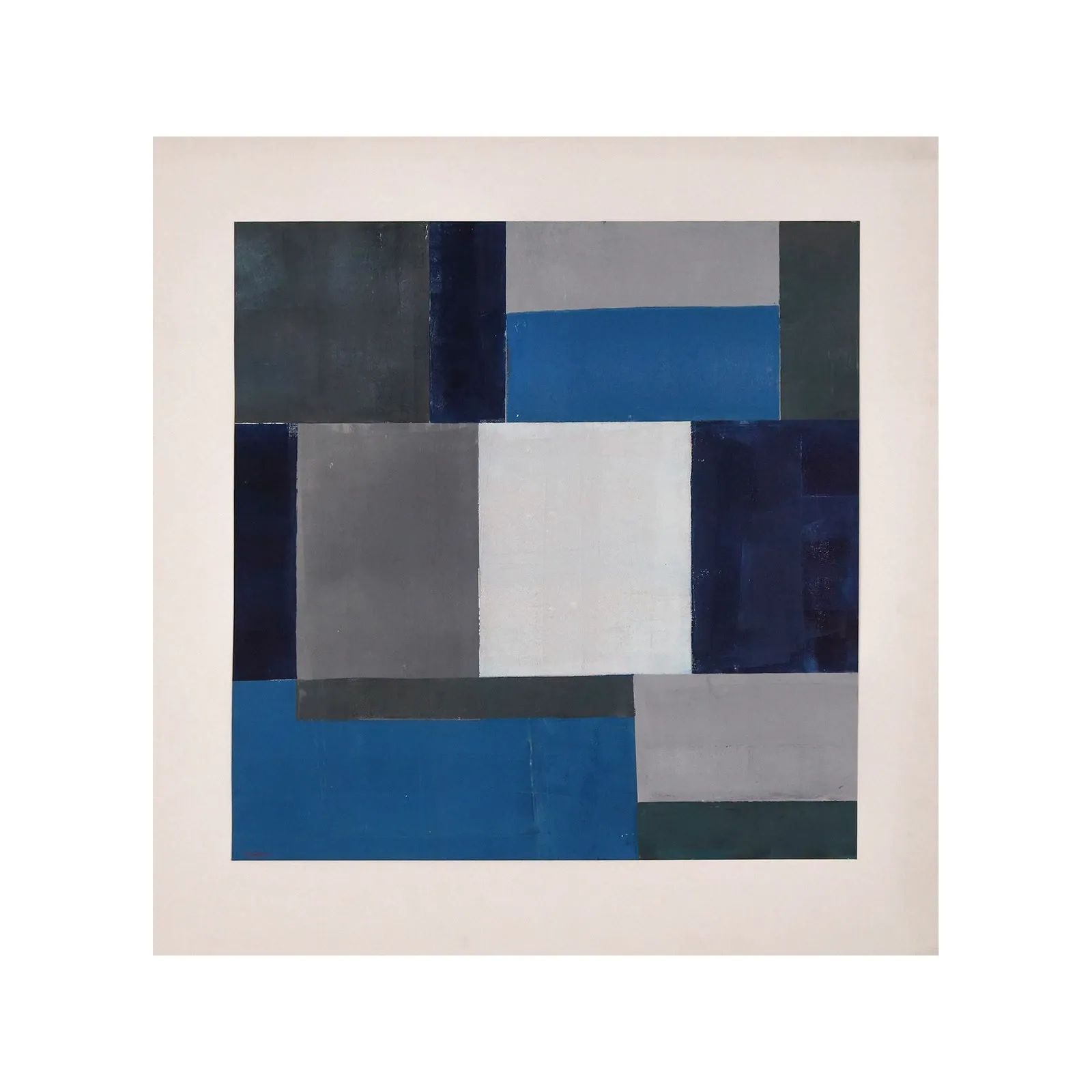
Your taste is a living instrument. Train it by placing works in cultural context: how an artist engages pop language, urban immediacy, or painterly tradition; how craft supports concept; how imagery travels across media. Contemporary icons and symbols—whether playful flowers, sculpted currency, or elemental gestures—carry emotional charge because they speak a shared visual vocabulary. Artists like Takashi Murakami, Karl Lagasse (1981), Zao Wou-Ki (赵无极), and Bernard Aubertin demonstrate how materials and motifs position work within larger conversations—pop, abstraction, minimal ritual—inviting both mind and market to engage.
Care, Conservation, And Display
Value isn’t only what you pay; it’s what you preserve. Use UV‑protective glazing for light‑sensitive works, maintain stable humidity and temperature, and keep pieces away from direct sunlight and heat sources. Handle prints with clean gloves and store flat in archival folders. For sculptures, dust gently and review any artist‑provided care notes. Rotate displays to reduce stress on materials and to refresh your visual environment at home.
Working With Galleries And Artists
A good gallery relationship is an education in itself. Ask about edition clarity, material choices, conservation, and the artist’s ongoing practice. Request viewing conditions that mirror how you’ll live with the work—lighting, sightline, and distance. When possible, meet the artist to understand process and intent, but let documentation—not personality—anchor decisions. Explore flexible acquisition options and keep communication transparent and professional.
Featured Works


Building A Long-View Strategy
Think like a curator of your own life. Document every acquisition meticulously; maintain a digital archive with images, condition notes, and provenance records. Diversify across mediums and signals—paintings for gesture and depth, prints for precision and edition clarity, sculpture for spatial presence. Revisit your collection annually: confirm condition, update records, and refine future targets. The most resilient collections balance emotional resonance with patient, well‑kept data—putting meaning and method on equal footing.