
ZERO and the Post‑War Avantgarde
After 1945, artists sought a new beginning—ZERO reset art to light, rhythm, and material clarity. This curated essay traces history, technique, and collecting relevance with a museum‑level lens.
The phrase “ZERO and the Post‑War Avantgarde” names a decisive turn: a reset of art’s language after the violence and exhaustion of mid‑century. Where expression once flared as gesture, a quiet blaze came into view—light, calm, and deliberate material intelligence. The ZERO movement emerged in Europe at the end of the 1950s as artists sought a point of departure, a near‑degree zero from which a lucid vocabulary could be built anew. In this terrain, surfaces are not images but events; reduction is not absence but a precise form of presence.
ZERO and the post‑war avantgarde are best understood through their insistence on clarity. The monochrome, the nail, the polished aluminum, the measured rhythm of serial elements—these are not stylistic effects but ethical choices, ways to remove noise and let phenomena speak. This essay introduces the historical context, reads the materials and techniques with care, explores philosophical underpinnings, and closes with a collector’s perspective that aligns connoisseurship with the legacy this movement continues to shape.
Postwar Context and ZERO Origins
The post‑war avantgarde grew in a world rebuilding itself—architectures of infrastructure, economies of industry, and a spiritual need to reimagine order. In Europe, artists in cities such as Düsseldorf sought to move beyond gestural drama and lyrical turbulence toward clarity, light, and the articulation of a new beginning. The ZERO movement announced itself as a reset, positing the “zero point” as an open, luminous field where art meets a change in temperature: cool, calm, and carefully tuned.
Within this context, light becomes a material, not a metaphor. Kinetic vibration, serial repetition, and the calibration of reflection invite viewers to engage time and perception as central components of the work. Rather than narrate experience, ZERO constructs conditions—distinct arrangements where surface and space interact so the viewer reads phenomena directly. It is an art of attentiveness, grounded in the intelligence of materials and the rigor of reduction.
ZERO Materials: Light, Nails, Monochrome
The ZERO toolbox is austere yet expansive: reflective metals, nails and pins, monochrome paint, motors and simple mechanical systems, and controlled burn marks that register heat as drawing. Industrial materials are neither ironic nor spectacular here; they perform with precision. The monochrome suppresses image in favor of radiance. Strict seriality converts parts into rhythm. When surfaces gather nails into aligned fields, relief catches light, and a plane begins to pulse.
Bernard Aubertin occupies a critical place in this material conversation. His red monochromes and “tableau clous” (nail reliefs) articulate the ZERO spirit through a deliberate economy: hammered nail heads create granular vibration across an otherwise singular field. Read closely, the relief is not decoration—it is a discipline of light, a way to orchestrate reflection so the surface feels alive. For detailed technique and care, see Hammered Light: Aubertin’s Tableau Clous.
Featured Works
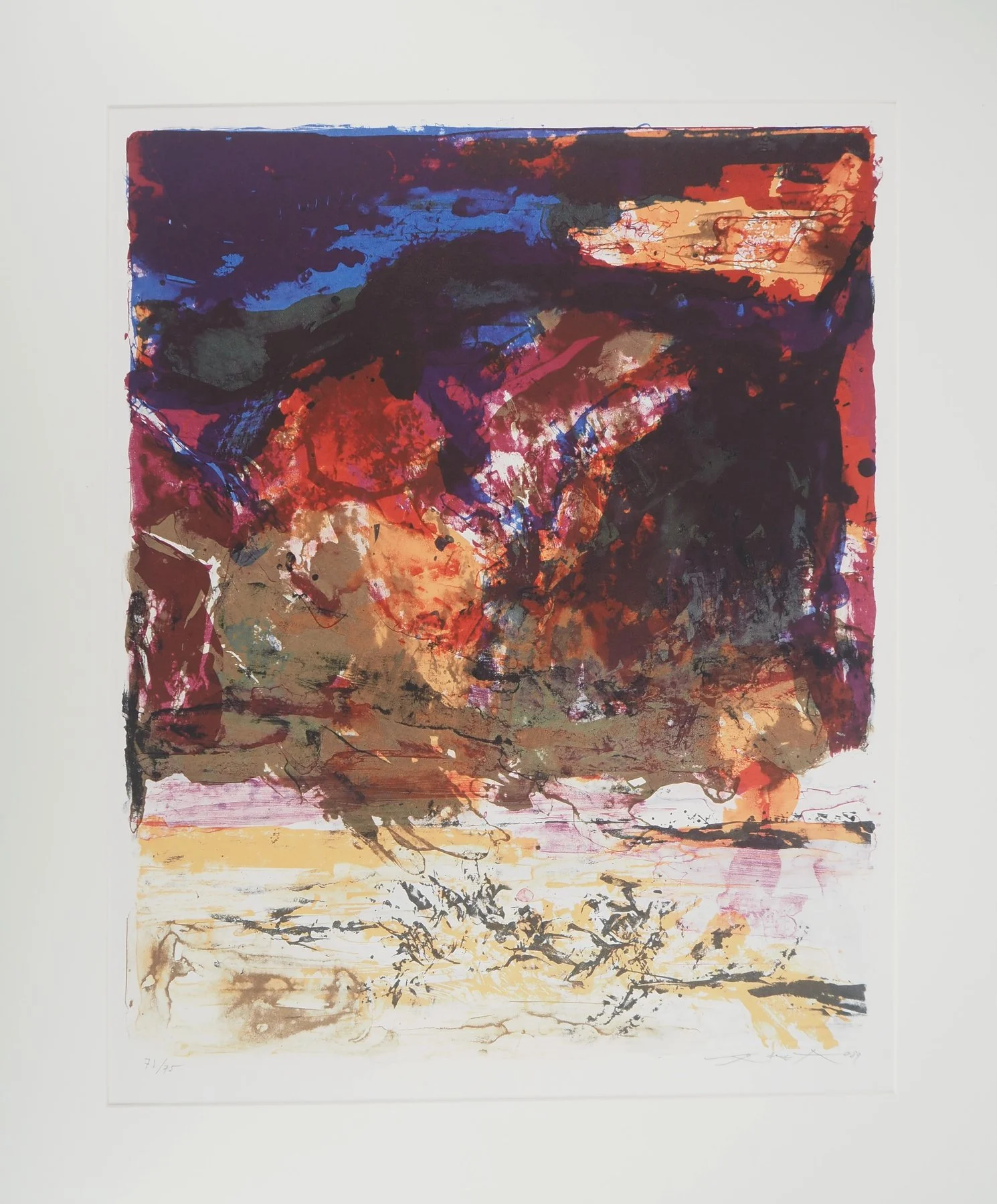

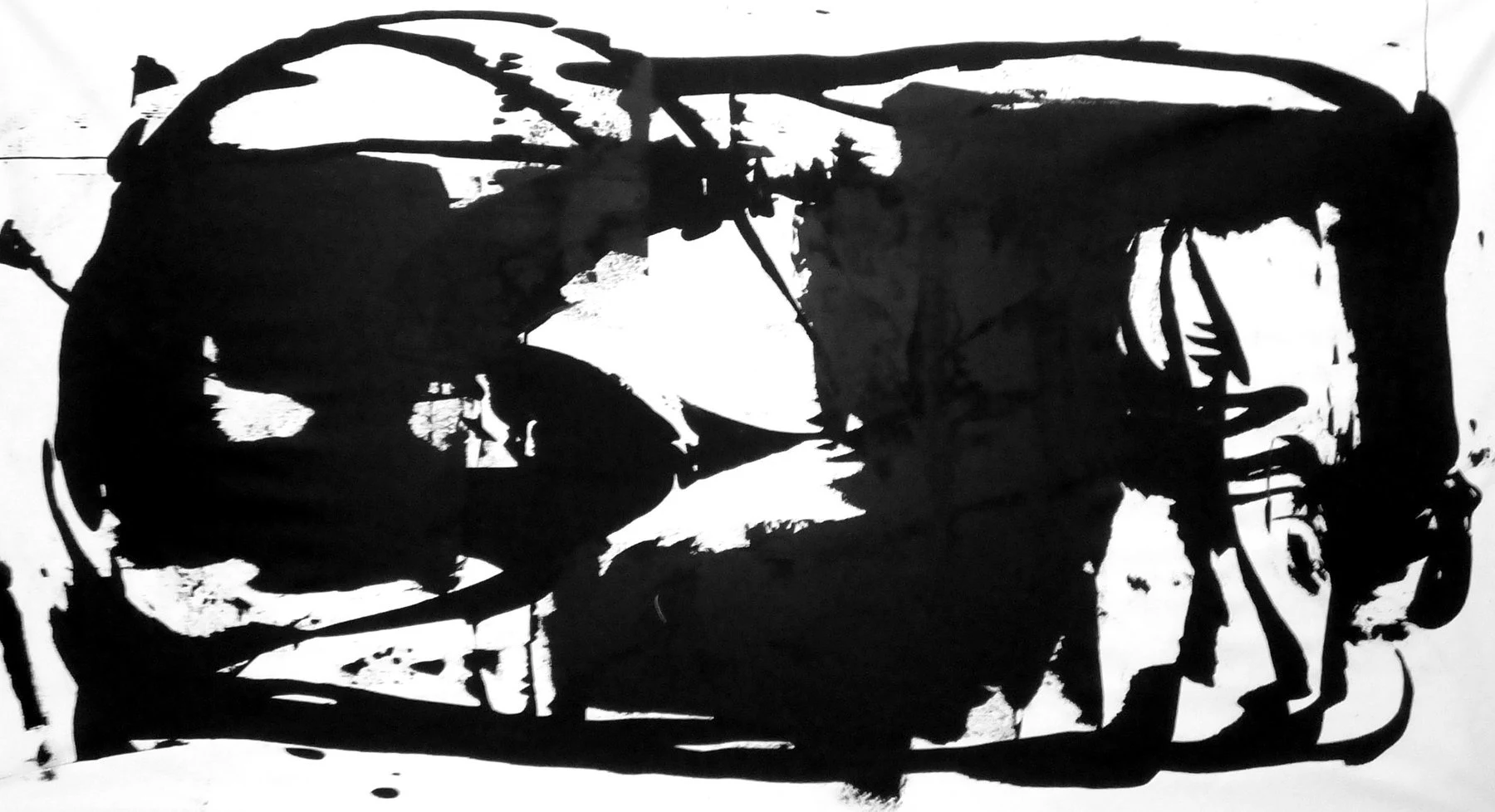
Philosophies of Emptiness and Rhythm
ZERO’s reduction often reads as silence, yet silence here is resonant. Emptiness is not void but interval—the structured space where light, repetition, and attention can accumulate. Seriality and rhythm are more than formal strategies; they register time. The experience of a polished plane or a field of nails unfolds with shifting ambient light and bodily movement, asking the viewer to slow down and dwell.
This turn toward emptiness resonates with broader post‑war sensibilities: a skepticism of excess and a search for groundedness. It also aligns with cross‑cultural currents—Zen‑inflected ideas about presence and nothingness, and European traditions of concrete art where clarity, order, and measured invention prevail. ZERO’s philosophy is neither mystical nor mechanical; it is an ethic of exactness that invites the viewer into a patient relationship with phenomena.
Crosscurrents in the Avantgarde
ZERO does not sit alone. It converses with kinetic art, concrete art, and the minimal turn that rose in parallel. In France, Nouveau Réalisme explored material reality through assemblage and intervention. In the United States, Minimal Art pared form to essentials, treating space, proportion, and surface as primary subjects. Across these currents, the monochrome becomes a shared instrument, translating reduction into varied forms of intensity.
The differences matter. ZERO approaches material with a luminous sensibility—light as event, reflection as movement, seriality as rhythm. Minimal Art often parses form mathematically, while kinetic practices prioritize motion. Concrete art foregrounds order and clarity. Together, they chart a landscape where image recedes and encounter deepens. For many collectors, this convergence is the draw: works from the period offer precise experiences that remain remarkably contemporary.
Reading Surfaces, Sensing Risk
Connoisseurship in ZERO and the post‑war avantgarde begins with patient looking and informed touch. Nail reliefs invite scrutiny of alignment, stability, and oxidation; slight surface changes can amplify or dampen their optical pulse. Monochromes demand careful reading of finish—matte, satin, gloss—and sensitivity to abrasions, retouching, or uneven aging. Works engaging light via polished metals require close attention to surface continuity and micro‑scratches.
When heat becomes a drawing tool, as in controlled burns on paper, delicacy increases: edges may char, fibers stiffen, and soot can migrate. Appropriate mounting, distant from heat and strong UV, is essential. For Aubertin’s fire works, a focused guide offers practical insight: see Lines of Flame: Collecting Aubertin’s Fire Drawings. As always, provenance clarity and thoughtful framing practices help align conservation with the work’s conceptual core—protecting a surface while preserving its exact light.
Contemporary Echoes and Collecting
The ZERO ethos—material clarity, rhythmic seriality, luminous calm—continues to inform contemporary practice. Artists attentive to matter and process build on this lineage by staging material behavior as subject. Henry Escobar is exemplary in this regard: his contemporary abstractions read matter’s dynamics with disciplined craft, an approach resonant with ZERO’s focus on phenomenology rather than narrative. For a deeper look at process intelligence today, see Henry Escobar: Materiality and Process.
For collectors, the field invites both rigor and pleasure. Read surfaces as instruments of light. Consider how seriality organizes your viewing. Seek works where material choices feel inevitable—where monochrome, nail, or reflection are not stylistic flourishes but core to meaning. Cross‑reference condition with intended effect: a relief that no longer catches light with rhythm may have suffered; a polished plane that reads unevenly may require professional care. In building a collection, think in ensembles: pairing a luminous monochrome with a rhythmic relief and a kinetic or process‑driven piece can create a room where calm and charge coexist.
Conclusion
ZERO and the post‑war avantgarde offer a language of renewal: light tuned to presence, reduction sharpened to clarity, materials orchestrated with ethical restraint. These works hold the gaze through quiet intensity, rewarding patient looking and careful stewardship. For the collector, the journey is not toward image accumulation but toward encounters—each surface a discrete instrument that continues to play as time and light pass across it. In this measured terrain, confidence grows with understanding: know the material, read the rhythm, and let the works’ radical calm animate your space.